What You Should Know About Being Overweight or Obese
What is the difference between being overweight and being obese?
- Being overweight means you have an excess amount of body weight, compared to set standards. This excess weight may come from muscle, bone, fat and/or body water.
- Being obese means you have an excess amount of body fat. Everyone needs a certain amount of body fat for stored energy, heat insulation and other functions.
- Men with more than 25 percent body fat and women with more than 30 percent body fat are considered obese.
Can being overweight or obese affect my health?
Yes. More than 60 percent of Americans aged 20 and older are overweight. One fourth of American adults are also obese. Being overweight or obese puts you at increased risk for developing health problems like:
- diabetes
- high blood pressure
- heart disease
- stroke
- certain types of cancer
- arthritis
- chronic kidney disease.
How do I know if I"m overweight or obese?
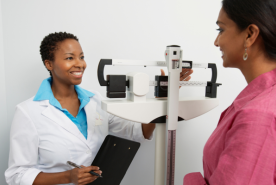
- To find out if you"re overweight, you can check a weight-for-height chart.
- You can also find your body mass index (BMI), which is a commonly used way to measure overweight and obesity. To find your BMI, multiply your weight in pounds by 704.5, then divide the result by your height in inches and divide that result by your height in inches a second time. As stated earlier, a BMI of 30 or more indicates that someone is obese.
- If you are overweight or obese, you can improve your health by losing weight.
Can being overweight or obese increase my risk for kidney disease?
Yes. If you are overweight or obese, you have a greater chance of developing diabetes or high blood pressure, which are the leading causes of chronic kidney disease. Excess weight has also been associated with a kidney disease called focal glomerulosclerosis.
Does it matter where my excess weight is located?
Yes. If your excess weight is mostly around your middle (apple shape), you are more likely to develop obesity-related health problems than if the weight is around your hips (pear shape).
What causes overweight and obesity?
People become overweight or obese from eating more calories than they burn up. Some things that may lead to this imbalance include:
- Diets high in fats and simple carbohydrates
- Lack of physical activity
- A family history of overweight or obesity
- Negative emotions like boredom, sadness or anger, which may influence eating habits.
Can I improve my health by losing excess weight?
Yes. Experts agree that even a weight loss of 10 pounds can help to:
- prevent high blood pressure
- prevent diabetes
- prevent heart disease
- control high blood pressure and diabetes in people who already have these disorders.
What should I do if I am overweight or obese?
Speak to your doctor about a weight loss program that is right for you. Your program may include some of all of the following parts:
- Diet. Steady weight loss of about one pound a week is the safest way to lose weight. Your doctor can refer you to a registered dietitian if you need help in planning your diet.
- Regular exercise (see following section on exercise).
- Behavior modification techniques such as:
- Keep a food diary of everything you eat.
- Shop from a list and shop when you"re not hungry.
- Take a different route if you usually pass by a tempting fast food place.
- Weight-loss medications
- Gastrointestinal surgery is sometimes recommended in cases of severe obesity.
Tips to Help You Lose Weight
- Learn how to make healthier food choices. Speak to your doctor or a registered dietitian if you are not sure how to do this.
- Decrease foods that are high in fats and simple carbohydrates (white breads, bagels, cookies, white pasta, white rice, etc.)
- Eat a wide variety of foods. Choose fruits and vegetables, lean meats and fish, whole grains and low-fat dairy products.
- Learn how to read nutrition labels when you shop for foods. Look for high levels of fiber and low levels of fat and carbohydrate.
- Increase your physical activity. If you are out of shape, start slowly with a few minutes a day, and build up as you gain strength.
What if I have more questions?
- Speak to your doctor.
- Ask for a referral to a registered dietitian if you need help in planning your meals.
- Call the National Kidney Foundation"s toll-free number 1-800-622-9010 and ask for publications on diet and exercise.
If you would like more information, please contact us.
©2013 National Kidney Foundation. All rights reserved. This material does not constitute medical advice. It is intended for informational purposes only. No one associated with the National Kidney Foundation will answer medical questions via e-mail. Please consult a physician for specific treatment recommendations.