September 23, 2026
Article By: Lisa Velez-Aponte, NKF's Grassroots Advocacy Director
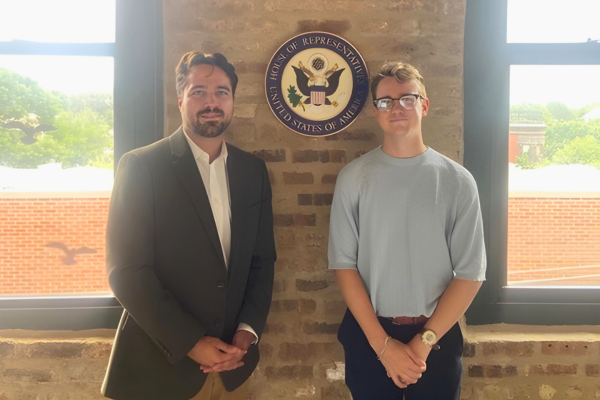
NKF Kidney Advocacy Committee (KAC) members brought kidney advocacy home this August, meeting with Members of Congress and their staff in congressional districts across the country. More than 30 advocates representing 23 states participated in more than 20 meetings, sharing their personal experiences and advocating for the Living Donor Protection Act, Kidney Disease Education, and the INSULIN Act.
Key Takeaways
Key Takeaways
More than 30 KAC advocates from 23 states participated in August in-district advocacy efforts, holding more than 20 meetings with Members of Congress and their staff.
Advocates raised three key kidney policy priorities: the Living Donor Protection Act, Kidney Disease Education, and the INSULIN Act.
Kidney advocacy can happen anywhere. Sharing personal stories, responding to action alerts, and participating in local meetings are all ways to make the kidney community's voice heard.
Bringing Kidney Advocacy Home
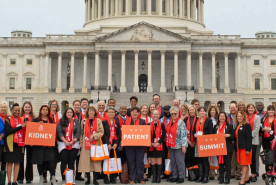
Advocacy doesn’t only happen on Capitol Hill in Washington, D.C. Some of the most meaningful conversations with lawmakers happen right at home, in the communities they represent. This August, members of the National Kidney Foundation’s (NKF) Kidney Advocacy Committee (KAC) took advantage of the congressional district work period to meet with Members of Congress and their staff in local offices and communities across the country.
And our work isn’t finished yet! Several advocates are continuing to connect with congressional offices and are working to schedule additional meetings.
These meetings allowed advocates to bring the priorities of the kidney community directly to lawmakers while sharing something equally important—their personal stories. Whether speaking as someone living with kidney disease, a transplant recipient, living donor, caregiver, family member, or advocate, KAC members helped lawmakers understand how decisions made in Washington impact people living with kidney disease in their own communities.
Advocating for Key Kidney Policy Priorities
During their meetings, KAC advocates asked Members of Congress to support policies that can make a meaningful difference for kidney patients, living donors, and families.
This August, advocates focused their conversations on three key priorities:
- Living Donor Protection Act (LDPA): This bill would strengthen protections for individuals who make the lifesaving decision to become living organ donors. The legislation would prohibit discrimination against living donors in obtaining life, disability, and long-term care insurance and clarify job-protected leave under the Family and Medical Leave Act (FMLA) for living donors during recovery. Removing barriers to living donation is an important part of supporting donors and expanding access to transplantation.
- Kidney Disease Education (KDE): Education can help people living with chronic kidney disease better understand their diagnosis, treatment options, and steps they can take to manage their kidney health. This bill would expand access to kidney disease education to help patients become more informed and engaged in their care, particularly before their disease progresses to kidney failure.
- The INSULIN Act: Diabetes is one of the leading risk factors for chronic kidney disease. Through these conversations, advocates helped congressional offices better understand how policies addressing diabetes care can also have an impact on kidney health.
Turning Personal Stories Into Advocacy
Behind every policy priority is a person, family, and story. That is what makes grassroots advocacy so powerful.
During their in-district meetings, KAC members shared their lived experiences while explaining why these issues matter to the kidney community. Personal stories can help lawmakers understand what legislation means beyond a bill number—whether it is a living donor concerned about protections after donation, a person with chronic kidney disease trying to understand their treatment options, or someone managing diabetes while working to protect their kidney health.
These conversations also demonstrate why advocacy must continue throughout the year. Meeting with a local congressional office, attending a town hall, responding to an action alert, sending an email, making a phone call, or sharing your kidney story are all ways to make your voice heard. Every action helps strengthen the kidney community’s collective voice.
The Work Continues
While August provided an important opportunity to connect with lawmakers while they were home in their districts, grassroots advocacy is a year-round effort. The relationships KAC members build with congressional offices can continue long after a meeting ends.
Following up with congressional staff, attending community events, responding to NKF action alerts, and continuing to share information about kidney disease all help strengthen these relationships. Advocacy is rarely about just one conversation. It is about consistently reminding policymakers that kidney disease affects people in the communities they represent and ensuring those voices are part of the conversation when important healthcare decisions are made.
We are incredibly grateful to every KAC advocate who participated in our August in-district efforts, as well as those who are continuing to work with congressional offices to schedule meetings. Thank you for giving your time, sharing your experiences, and representing the kidney community.
Add Your Voice
You don’t have to be a KAC member or travel to Washington, D.C., to make a difference. Through Voices for Kidney Health, patients, caregivers, living donors, family members, healthcare professionals, and supporters across the country can raise their voices on the issues that matter to the kidney community.
See all the ways you can take action with Voices for Kidney Health. Whether you share your story, respond to an action alert, participate in a congressional meeting, or encourage others to get involved, your voice matters. Together, we can continue building a strong nationwide network of advocates working to improve the lives of people affected by kidney disease—from our local communities to Capitol Hill.