Kidney stones are small, hard pieces of material that form in the kidneys from substances in urine. Some pass on their own, while others can cause pain, infection, or blockages and may require treatment. Drinking enough water and taking other preventive steps can help reduce the risk of future stones.
Kidney Stones Hub
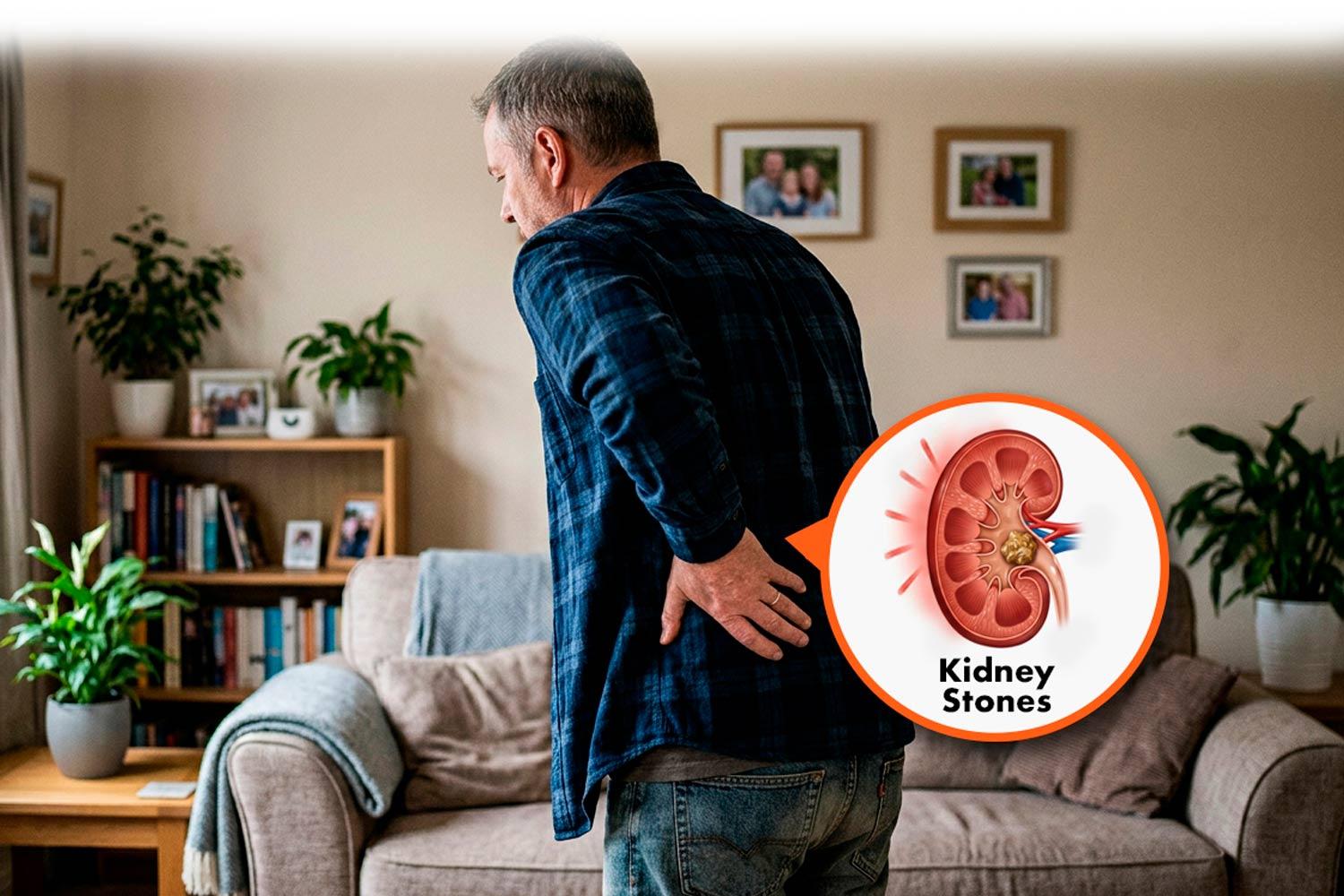
Understanding Kidney Stones
If you are new to kidney stones, start with the basics. Learn what kidney stones are, what causes them, the symptoms to watch for, and why knowing your stone type matters.

Learn about kidney stone symptoms, causes, diagnosis, types of stones, and ways to lower your risk.

Children and teens can get kidney stones too. Learn about symptoms, testing, treatment, and prevention for children and teens.
Watch a short video that explains what kidney stones are and how they can affect the kidneys and the parts of the body that make and remove urine.
Watch a discussion about how kidney stones are found, common symptoms, and possible causes.




Treatment for Kidney Stones
Treatment depends on the size of the stone, where it is, your symptoms, your overall health, and the type of stone. Some stones may pass on their own. Others may need to be watched or removed with a procedure.

Learn about treatment options, including waiting for a stone to pass, monitoring a stone, and procedures that may be used to remove or break up a stone.
Listen to kidney experts discuss treatment options and ways to help prevent kidney stones.

Prevention of Kidney Stones
Many people who have had one kidney stone may form another. Prevention depends on the type of stone you have, your test results, your health, and your daily habits.
Drinking enough water is one of the most important steps. Food choices may also help lower your risk. Your doctor may recommend blood or urine tests to understand why stones are forming and what changes may help.
Simple steps that may help lower your chance of getting more kidney stones, including drinking more water and making changes to what you eat and drink.
Learn how fluids, food choices, and a personalized diet plan may help lower your chance of getting more kidney stones.
Use this visual guide if you have been told you have calcium oxalate kidney stones or need to watch oxalate foods. Your plan may be different based on your urine tests, blood tests, and medical conditions.
Types of Kidney Stones
Knowing the type of kidney stone you have can help your doctor recommend the right treatment and prevention plan. If you pass a stone or have one removed, ask your doctor if it can be tested.
Calcium stones are the most common type of kidney stone. They may be made of calcium oxalate or calcium phosphate.
Uric acid stones can form when urine is too acidic. They may be linked to gout, diabetes, obesity, metabolic syndrome, or CKD.
Struvite stones are often called infection stones because they usually form after a urinary tract infection.
Cystine stones are caused by a rare genetic condition called cystinuria. They can come back often and may need long-term prevention and follow-up.