Last updated: August 03, 2026

Protecting Veins to Preserve Future Dialysis Access
Preserving healthy veins is an important part of protecting future dialysis access for people with chronic kidney disease (CKD). Yet patients and clinicians report that vein preservation practices are often inconsistent, especially across emergency, hospital, surgical, laboratory, and other non-nephrology settings.
This patient and clinician informed call to action identifies key gaps in education, communication, and clinical workflows and outlines practical steps healthcare professionals and health systems can take to reduce unnecessary needle sticks, prevent avoidable vascular injury, and make vein preservation a more consistent part of CKD care,
Key Findings
Care gaps and challenges affecting vein preservation persist across the CKD care continuum.
- Vein preservation is recognized as important, but isn't consistently prioritized.
- Patients are too often left to protect their own veins.
- Education about vein preservation is inconsistent.
- Poor communication across healthcare settings puts patients at risk.
- Better systems—not just better intentions—lead to better outcomes.
From Findings to Action
Whether you're working as a healthcare professional or someone living with kidney disease, there are steps you can take today.
Next Steps for Healthcare Professionals
Review Best Practices for Vein Preservation
Help protect future dialysis access for your patients. Small changes in daily practice can make a lasting difference for people living with chronic kidney disease (CKD).
- Identify patients who need vein preservation early. Document limb preservation needs in the medical record and communicate them across the care team.
- Avoid unnecessary needle sticks and IV placement. Consider alternatives before using veins that may be needed for future vascular access. Ensure staff are aware of limb restrictions before blood draws, IV placement, or blood pressure measurements.
- Make vein preservation part of your workflow. Use EHR alerts, limb preservation orders, checklists, standardized documentation, and structured handoffs whenever possible.
- Partner with patients. Encourage patients to ask questions and speak up about protecting their veins. Explain procedures, involve them in decisions, and reinforce education at every visit.
- Champion quality improvement. Vein preservation isn't just a nephrology issue. Advocate for vein preservation to become part of your organization's quality initiatives, policies, and clinical protocols.
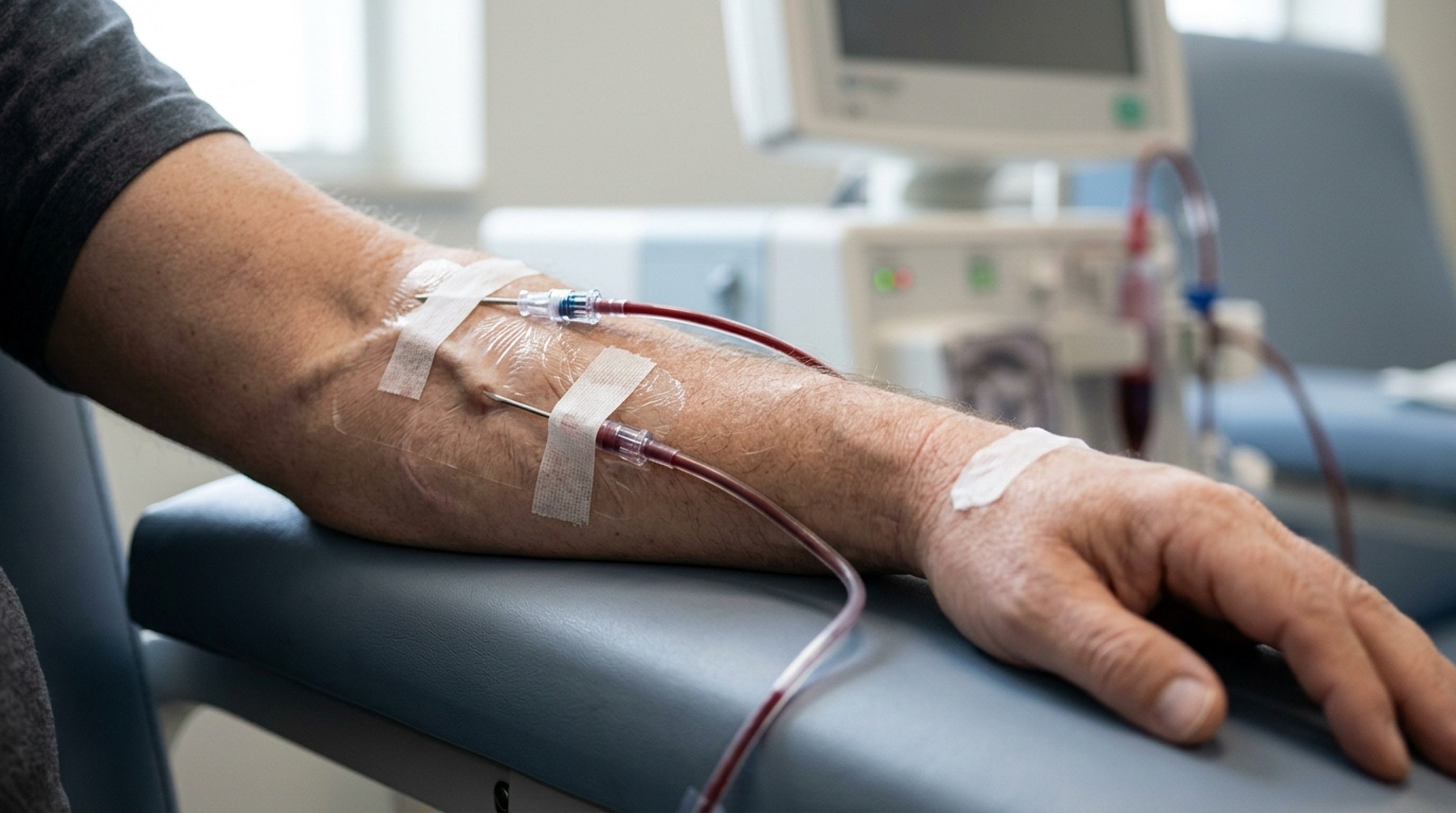
Next Steps for Patients
Be Your Own Best Advocate
Protecting your veins today may help preserve your options for dialysis in the future. Here are simple steps you can take to help protect your blood vessels.
- Tell every healthcare professional you have CKD. Don't assume every member of your healthcare team knows your kidney history. Remind nurses, lab staff, emergency department healthcare teams, and other clinicians that protecting your veins is important for your future care.
Ask before every blood draw or IV
If you need blood work or an IV, ask:i
- "Is this blood draw or IV really necessary?"
- "Can you use the back of my hand instead of my arm?"
"Can we avoid using the arm that may be needed for future dialysis access?"
i. Source: Save Your Vein campaign https://saveyourvein.org/
- Speak up if something doesn't seem right. It's okay to ask questions or remind your healthcare team about protecting your veins. Your voice matters.
- Learn how to protect your veins. Ask your kidney care team about:
- Which arm should be protected
- What to do before hospital visits
- How to prepare for blood tests and procedures
- When vascular access planning should begin