August 18, 2026
Article By: NKF Staff
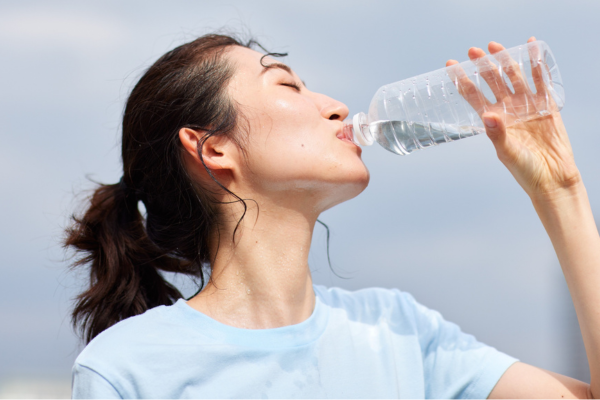
As summers continue to get hotter, protecting your kidneys is becoming more important than ever.
New research presented at the National Kidney Foundation's 2026 Spring Clinical Meetings found that parts of the United States experiencing rising temperatures are also seeing increases in kidney disease-related deaths. While researchers are still working to understand exactly why, the findings highlight the importance of staying safe during hot weather, especially if you have kidney disease.
Key Takeaways
Key Takeaways
New research found rising kidney disease-related deaths in some of the country's fastest-warming regions.
People with kidney disease should take extra precautions during hot weather.
Talk with your healthcare team before a heatwave.
Your kidneys help keep the right balance of water and minerals in your body. They also remove waste through urine. When it's hot outside, your body loses more water through sweat. If you don't replace those fluids, you can become dehydrated.
Dehydration makes it harder for your kidneys to do their job.
Previous research has shown that extreme heat can increase the risk of:
- Acute kidney injury (AKI)
- Chronic kidney disease (CKD)
- Kidney stones
- Emergency room visits
- Hospitalizations
Older adults are also at an even greater risk because they are more likely to become dehydrated and develop heat-related illnesses.
Researchers wanted to better understand whether rising temperatures could also be linked to increases in kidney disease-related deaths across the United States.

What Did the Study Find?
Researchers from the University of Michigan Medicine, working with the Centers for Disease Control and Prevention (CDC), analyzed national data to see if rising temperatures could affect kidney-related deaths.
The study found that:
- Kidney disease-related deaths have increased by about 40% since 1990.
- Areas with the greatest increases in temperatures, particularly parts of the Midwest and Western United States, also showed rising numbers of kidney disease-related deaths.
This study does not prove that heat directly causes kidney disease-related deaths. It does add to growing evidence that hotter temperatures may increase health risks for people living with kidney disease.
How to Protect Your Kidneys During Hot Weather
1. Follow Your Healthcare Team's Fluid Recommendations
If you have kidney disease, your hydration needs may differ from those of someone without kidney disease. Some people need to drink more fluids, while others need to limit how much they drink. Talk with your healthcare team about the best plan for you.
Ask your healthcare provider:
- How much fluid should I drink during hot weather?
- Should I change my fluid intake during a heatwave?
- What are the signs of dehydration I should watch for?
Learn which drinks to sip and which to skip.
2. Stay Cool
Heat and physical activity can put extra strain on your kidneys. In some cases, exercising in extreme heat can lead to rhabdomyolysis, a serious condition that causes damaged muscles to release proteins into the bloodstream that can injure the kidneys.
To stay safe:
- Avoid being outdoors during the hottest part of the day.
- Take frequent breaks if you are outside.
- Spend time in air-conditioned or shaded areas whenever possible.
3. Know How Your Medications Affect You
Some kidney medications may make dehydration or kidney injury more likely during extreme heat. Ask your healthcare provider about these risks and how to mitigate them.
Be careful with nonsteroidal anti-inflammatory drugs (NSAIDs) like ibuprofen (Advil, Motrin) or naproxen (Aleve). These medications can reduce blood flow to the kidneys and may increase the risk of acute kidney injury, especially if you’re dehydrated.
Learn more about safe medicine use with kidney disease.
4. Know the Warning Signs
Recognizing the symptoms of heat-related illness can help you get treatment before it becomes an emergency.
Signs of heat exhaustion include:
- Heavy sweating
- Feeling weak or very tired
- Dizziness or lightheadedness
- Headache
- Nausea or vomiting
- Muscle cramps
- Fast heartbeat
- Cool, pale, or clammy skin
If you have symptoms of heat exhaustion, move to a cool place. If your healthcare team has not limited your fluid intake, drink fluids. Contact your healthcare provider if your symptoms don't improve.
Signs of heat stroke (a medical emergency) include:
- Confusion or unusual behavior
- Fainting or loss of consciousness
- Seizures
- Very high body temperature
- Hot, red, or dry skin
- Severe headache
- Rapid pulse or trouble breathing
Call 911 immediately if you or someone else has signs of heat stroke.
5. Check on Family and Friends
Heatwaves can be especially dangerous for older adults and people living with chronic health conditions. A quick phone call, text, or visit can help make sure your loved ones are staying cool, hydrated, and safe.
NKF is Here to Help
NKF doesn’t take a summer vacation. We’re here to help you and your family, rain or shine.
Contact NKF CARES toll-free at 855-653-2273 if you have questions about kidney disease, staying safe in hot weather, or managing your kidney health.