June 04, 2026
Article By: NKF Staff
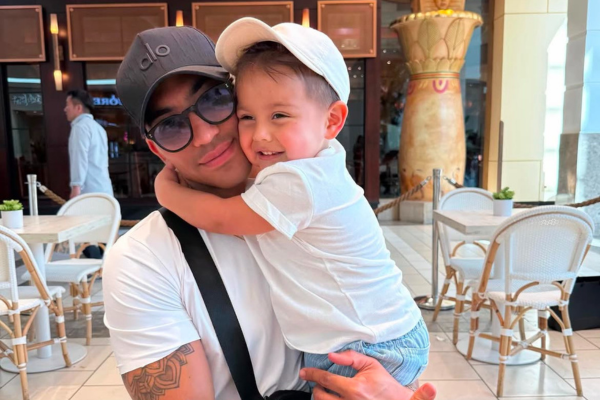
At just 33 years old, kidney failure changed every part of Mathew (Matt) Bonnen's life—including the way he parented his young son. But after months of dialysis and exhaustion, a kidney transplant finally gave him the chance to be the dad he’d always dreamed of becoming.
From Diagnosis to Kidney Failure
In 2019, Matt thought his blood pressure was increasing due to stress.
“My brother had just passed away,” he said. “My blood pressure was high. Every time I went to the doctor, they asked if it could be stress-related. It felt like it was.”
But the symptoms kept getting worse.
“My doctors ordered a kidney biopsy,” Matt said. “It revealed I have IgA nephropathy (IgAN).”
IgAN is a type of kidney disease caused by antibodies that build up in the kidneys. The exact cause is not currently known.
“My doctor told me it could progress slowly or very quickly,” Matt said. “I had three years of stable kidney function before I lost almost all of it in a matter of days.”
A Sudden Decline
In 2022, Matt developed a severe case of influenza, and his kidney function rapidly dropped.
“My GFR went from normal to around 30%,” Matt said. “It was horrible timing because I was going through a surrogacy journey. I always knew I wanted to be a dad. A declining kidney function wasn’t in the plan.”
As Matt adjusted to life with his new baby son, his health continued to worsen. Within months, his kidney function fell to 17%.
“My nephrologist told me I’d need to start dialysis soon, and I was shocked,” he said. “I chose peritoneal dialysis (PD) that day.”
“Dialysis Felt Like a Prison”
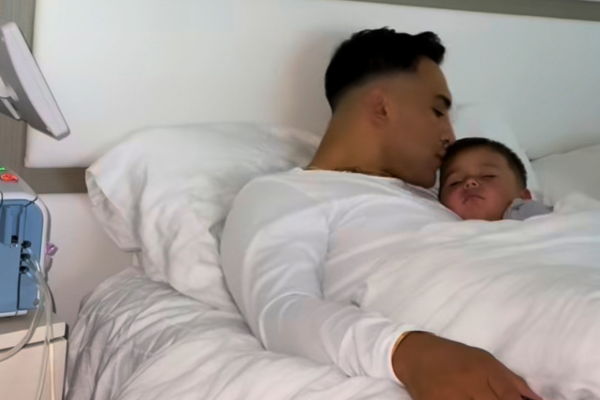
PD was life-saving. But it was also one of the hardest experiences of Matt’s life.
“I know many people successfully manage PD,” he said. “My experience was painful and emotionally exhausting. I developed multiple infections and struggled with weight gain.”
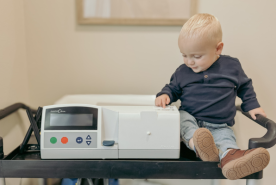
Every night revolved around Matt’s PD dialysis machine. Traveling required planning around medical equipment and supplies. Fatigue and swelling made everyday activities difficult.
“I couldn’t be the dad I wanted to be,” he said. “I didn’t have the energy to chase my son around or take him places. I felt like a side character in his life.”
Matt even began to understand why some people chose to stop dialysis.
“It felt like there was no light at the end of the tunnel,” he said. “You need so much strength to do it. I don’t think the health system always prepares patients for how hard it can be emotionally.”
Home dialysis isn’t right for everyone, but it might be right for you. Take our quick home dialysis quiz to learn more.
Join the NKF Blog Newsletter
Get Support, Delivered Monthly
Get monthly inspirational stories, practical insights, and expert advice to manage your kidney health at any stage.
Waiting for a Kidney
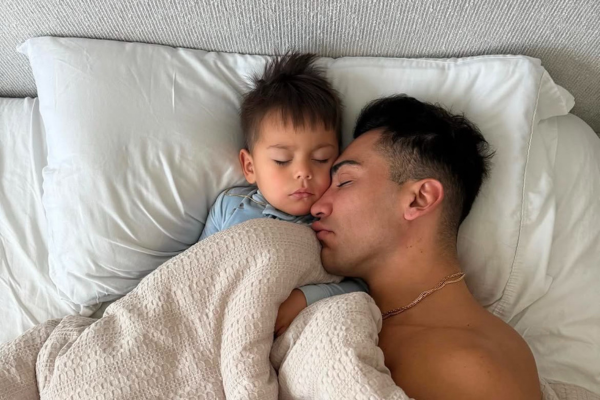
So, Matt decided to focus on a future with a kidney transplant and finding a living kidney donor to make that possible.
“Doctors discovered I had extremely high antibody levels, meaning I would reject nearly 98% of potential donor kidneys,” he said. “It was devastating. Even my mom couldn’t donate.”
Next, Matt listed at multiple transplant centers, including in New York, New Jersey, and the Mayo Clinic system, to increase his odds of getting a deceased donor kidney that worked with his antibodies.
Within the next several months, Matt received multiple calls about possible kidneys–only to learn they were not matches or were no longer available.
“It was an emotional whiplash,” he said. “Every time the phone rang, I hoped it was my chance to live life off dialysis.”
The Call that Changed His Life
Finally, in July 2024, Matt got the call he had been waiting for–a kidney was available, and he was the first in line for it.
“They still had to test for antibodies, but I jumped on the last plane heading out of Florida to New Jersey,” he said. “I was on the airplane runway when they told me I was a match. I burst out crying in joy.”
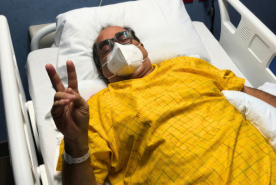
When Matt arrived at the hospital, the whole staff congratulated him.
“I couldn’t believe it was really happening,” he said. “I was going to get my life back.”
When Matt woke up, he was overwhelmed with gratitude and happiness.
“My transplant worked immediately,” Matt said. “My color came back, and I had energy again. I instantly felt better.”
Transplant recovery came with challenges, like adjusting to medications and the emotional ups and downs that can follow transplant surgery. But nearly a year later, Matt says he feels healthier and more grateful than ever.
“I’ve lost 40 pounds. My blood pressure is better. I feel amazing,” he said. “I appreciate life differently now.”
Get kidney disease support from someone who understands. Connect with a trained NKF Peer mentor to discuss kidney disease, dialysis, transplantation, or living donation.
Getting Fatherhood Back
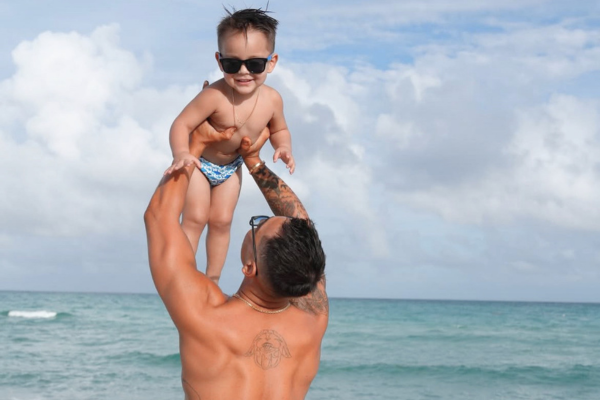
The hardest part of kidney failure was missing moments with his son.
Before the transplant, Matt was constantly exhausted and worried about infections. Beach trips, playing tag, and even bedtime routines were difficult.
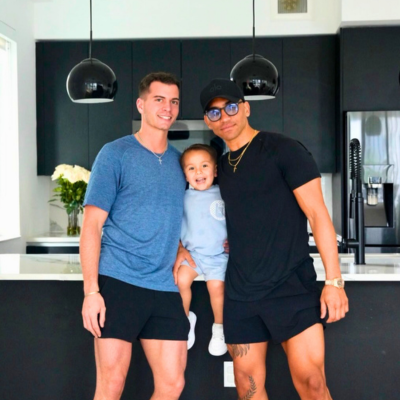
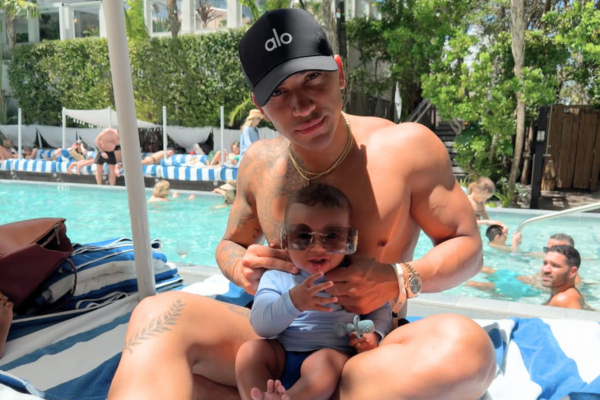
“Now we swim together all the time. I take him to gymnastics class. We go to the beach. We travel. I can chase him at the park,” he said. “Every time I look at him, I just smile.”
Matt finally got fatherhood back.
“Kidney disease changed me forever,” he said. “But it also taught me to appreciate life, my body, my family, and every single day.”
Learn more about kidney transplantation with NKF’s Kidney Learning Center.
Raising Awareness in the LGBTQ+ Community
Matt also highlighted the importance of starting conversations about kidney disease within LGBTQ+ spaces.
“As a gay man, I know it usually centers around HIV,” he said. “Nobody talks about kidney disease.”
Matt believes more awareness is urgently needed, especially around kidney health, dialysis, and organ donation.
“A lot of people don’t even know what kidneys do,” he said. “When I told people I had kidney disease, they’d ask, ‘So you can’t drink alcohol anymore?’”
Through his social media platform @mattybonbonn, Matt shares his experiences openly to help others feel less alone and to educate people about these important topics.
“I want more people to catch kidney disease early. I also want people to know there’s life after dialysis,” he said. “If I can help save even one person’s life by sharing my story, that would mean everything to me.”