Last updated: November 10, 2026
Medically reviewed by: NKF Patient Education Team
Overnight dialysis can let you receive kidney failure treatment while you sleep. Learn how automated peritoneal dialysis and nocturnal home hemodialysis work, their benefits and risks, and what to ask your care team.
About overnight dialysis
Overnight dialysis may be an option for people with kidney failure who need dialysis treatment. It may be especially helpful for people who want more flexibility during the day for work, school, family, or other activities.
Not everyone is a candidate for both types of overnight dialysis. Your health needs, type of dialysis access, ability to complete training, home environment, and available support can affect which option is right for you. Your dialysis team will help you understand the benefits and risks of each treatment.
Uses
Overnight dialysis is an option for some people with kidney failure who need dialysis. It may appeal to people who want more time during the day for work, school, family, or other activities. Whether APD or nocturnal home hemodialysis is right for you depends on your medical needs, access to training and support, home setup, and personal preferences.
How it works
Automated peritoneal dialysis (APD)
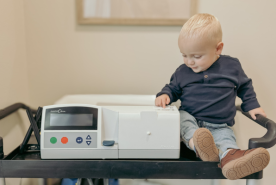
APD uses the lining of your belly (peritoneum) as a natural filter. A soft tube called a catheter is placed in your belly. At bedtime, you connect the catheter to a machine called a cycler.
While you sleep, the cycler moves dialysis fluid into your belly. Waste and extra fluid pass from your blood through the lining of your belly into the dialysis fluid. The cycler then drains the used fluid and replaces it with fresh fluid. This process repeats throughout the night.
APD often takes about 8 to 10 hours overnight, although your schedule may be different. Some people also need dialysis fluid to stay in their belly during the day or may need an additional daytime exchange. Unlike hemodialysis, your blood does not leave your body during treatment.
Nocturnal home hemodialysis (HHD)
Nocturnal home hemodialysis uses a dialysis machine and a special filter called a dialyzer to remove waste and extra fluid from your blood while you sleep. Blood travels from your body through tubing to the dialyzer and then returns to your body.
You will need vascular access, which is a way for blood to move between your body and the dialysis machine. This may be an arteriovenous (AV) fistula, AV graft, or, in some cases, a dialysis catheter.
Nocturnal HHD treatments are usually longer and slower than typical daytime hemodialysis treatments at a dialysis center. Treatments often last about 6 to 8 hours, but the number of nights and treatment length depend on your dialysis prescription.
Before beginning treatment at home, you and your care partner, if one is needed, will receive training on how to perform treatments safely, use the equipment, and respond to problems.
Types and key differences
| Feature | APD | Nocturnal HHD |
|---|---|---|
| How it works | Uses the lining of the belly to filter waste | Uses a machine and dialyzer to filter blood |
| Access | Catheter in the belly | AV fistula, graft, or catheter |
| Typical schedule | Often nightly, 8–10 hours | Often 6–8 hours, on prescribed nights |
| Daytime treatment | Sometimes needed | Depends on prescription |
| Care partner | Often not required | May be required |
| Main safety concerns | Infection, including peritonitis | Blood loss, access problems, infection |
Both treatments require a safe, clean place for equipment and supplies, training, regular check-ins, and a plan for problems that may arise. Nocturnal hemodialysis is also offered at some dialysis centers, but this page focuses on home treatment.
Effectiveness and potential benefits
Depending on your treatment plan and health needs, possible benefits of overnight dialysis include:
- More flexibility during the day for work, school, family, and other activities.
- Receiving treatment at home rather than traveling to a dialysis center for each session.
- A treatment schedule that may better fit your daily routine.
- For some people receiving longer or more frequent home hemodialysis, improved removal of waste and extra fluid, which may help with certain symptoms or treatment-related complications.
Overnight dialysis is not necessarily better for everyone. Your dialysis team will monitor your treatment and make adjustments based on your health needs, symptoms, and test results.
Safety and possible challenges
Home dialysis requires training and careful attention to infection prevention, equipment, and emergency procedures. Contact your dialysis team promptly if you notice a problem with your access, have symptoms of infection, or cannot complete a treatment as prescribed.
APD safety considerations
- Peritonitis (infection inside the belly) and catheter exit-site infections are important risks. Follow the clean connection and handwashing steps taught by your care team.
- The cycler may alarm or interrupt sleep. Tubing position and drainage can sometimes cause discomfort.
- The dialysis fluid contains sugar (glucose), which can affect blood sugar and weight in some people.
Nocturnal HHD safety considerations
- Bleeding or accidental needle or tubing disconnection can be dangerous, especially during sleep. Follow your training for securely connecting and monitoring blood lines and access.
- Blood pressure changes, muscle cramps, or other treatment symptoms may occur.
- Some programs require a trained care partner. Monitoring and support arrangements differ by program; do not assume that remote monitoring is available.
For either option, ask your care team what to do if there is a machine alarm, power outage, supply issue, or medical emergency. Your team should give you a written plan and an emergency contact number. Call 911 for a life-threatening emergency.
Additional considerations
Training and care partner support
A dialysis nurse will teach you how to set up treatment, prevent infections, respond to alarms, and recognize problems. APD usually can be managed independently after training, although people may choose to involve a care partner. Nocturnal HHD may require a care partner depending on the program and your needs.
Equipment, space, and sleep
Both options require space for equipment and supply storage. Some homes may need changes to electrical or plumbing arrangements for HHD. Ask how much noise, tubing, and overnight alarms may affect your sleep, and what home setup is required.
Travel and daily life
Travel may be possible with either type of dialysis, but you need advance planning for equipment, supplies, and backup care. Your team can also help you plan for work, family responsibilities, and changes in your routine.
Questions for your healthcare team
- Am I a candidate for APD, nocturnal HHD, or both?
- How many nights a week and how many hours per night would my treatment take?
- Will I need dialysis treatments or exchanges during the day?
- What type of access or catheter would I need?
- Would I need a care partner for training or treatment?
- What are the infection, bleeding, and other safety risks for my situation?
- What equipment, space, water, electricity, or storage would I need at home?
- What happens if my machine alarms, I lose power, or I become sick overnight?
- How will you check whether my dialysis is working well?
- Can I change dialysis types later if my needs change?
Kidney Health Resources
Explore more information and resources about kidney health.
- Home Dialysis Hub
- Home Dialysis: Hemodialysis and Peritoneal
- Peritoneal Dialysis
- Home Hemodialysis
- Living Well with Home Dialysis
NKF Information and Support
More education and information from NKF
Connect with NKF for answers, support, and free learning programs.
- NKF Cares: Patient Information Help Line
- NKF Kidney Learning Center
- NKF Transplants for All
- Find a Kidney Dietitian
Healthcare professional resources
Explore education, clinical tools, and practical resources to support kidney care and help you stay current in your practice.