Last updated: October 07, 2026
Medically reviewed by: NKF Patient Education Team
Learn how to enjoy traditional Japanese foods while protecting kidney health with balanced, kidney friendly meals.
Table of Contents
- Japanese and Nutrition
- Maintaining a Healthy Weight with Kidney-Friendly Eating
- Diabetes and Kidney Disease in the Japanese Community
- How Food Choices Affect My Kidney Health
- Key Nutrients in the Japanese Kidney Diet
- Protein
- Sodium
- Potassium
- Phosphorus
- Fluids
- Food Swaps for Japanese Kidney-Friendly Meals
- Japanese Kidney Friendly Plate
- Planning for Celebrations
- Questions to Ask Your Kidney Dietitian
- Japanese Recipes
- For more information about Nutrition and Kidney Health
Japanese and Nutrition
Food is an important part of Japanese traditions, family life, and celebrations. Traditional Japanese meals often include rice, vegetables, fish or other protein foods, soup, tofu or other soy foods, and small side dishes.
If you are living with chronic kidney disease (CKD), you can still enjoy many familiar Japanese foods. Some ingredients or cooking methods may need small changes based on your kidney function, lab results, medicines, and treatment.
Japanese cooking often uses soy sauce (shoyu), miso, pickled vegetables (tsukemono), prepared sauces, fish cakes, and soup bases. These foods can contain a lot of sodium. Some seaweed, soy foods, fruits, vegetables, and teas may also need attention if your potassium or phosphorus levels are high.
A kidney dietitian can help you build a meal plan that honors your Japanese food traditions while protecting your kidney health. The goal is to adapt, not replace, the foods you enjoy.
Maintaining a Healthy Weight with Kidney-Friendly Eating
It can be hard to get enough calories if you are limiting some foods. Calories are like fuel. They give your body energy, help you stay at a healthy body weight, and help your body use protein to build and repair muscles and tissues.
Rice, noodles, oils, fruits, vegetables, and other foods that fit your meal plan can provide energy. If you are losing weight without trying, have a poor appetite, or have trouble eating enough, talk with your kidney dietitian.
Diabetes and Kidney Disease in the Japanese Community
Managing diabetes and kidney disease together may mean paying attention to both carbohydrate portions and kidney related nutrients.
Rice, noodles, sweet rice cakes, desserts, and sweetened sauces can raise blood glucose. You do not always need to avoid these foods. Portion size and what you eat with them matter.
Plan balanced meals, monitor your blood glucose as directed by your doctor, and ask a kidney dietitian or diabetes educator how to fit traditional Japanese foods into both your kidney and diabetes meal plans.

Japanese Kidney Diet Quick Guide
| Nutrient | Limit or Watch | Choose Instead | Why It Matters | When it Matters Most |
|---|---|---|---|---|
| Sodium | Large amounts of soy sauce, miso, tsukemono, fish cakes, instant noodles, soups, broths, bottled sauces, and salted or dried foods | Smaller portions; reduced sodium sauces when appropriate; ginger, garlic, green onion, rice vinegar, citrus, pepper, shichimi togarashi, or a small amount of sesame oil | Too much sodium can raise blood pressure, increase thirst, and cause swelling or fluid buildup | Important throughout CKD and dialysis |
| Potassium | Only limit higher potassium fruits, vegetables, seaweed, soy foods, or beverages if your care team tells you to | Choose portions and foods based on your blood potassium level | Potassium that is too high or too low can affect muscles and the heart | Depends on labs, medicines, and treatment |
| Phosphorus | Processed foods with phosphate additives and foods your dietitian identifies as high phosphorus for you | Fresh foods and products without 'phos' additives when possible | High phosphorus can weaken bones and affect blood vessels and the heart | More often a concern as CKD advances and during dialysis |
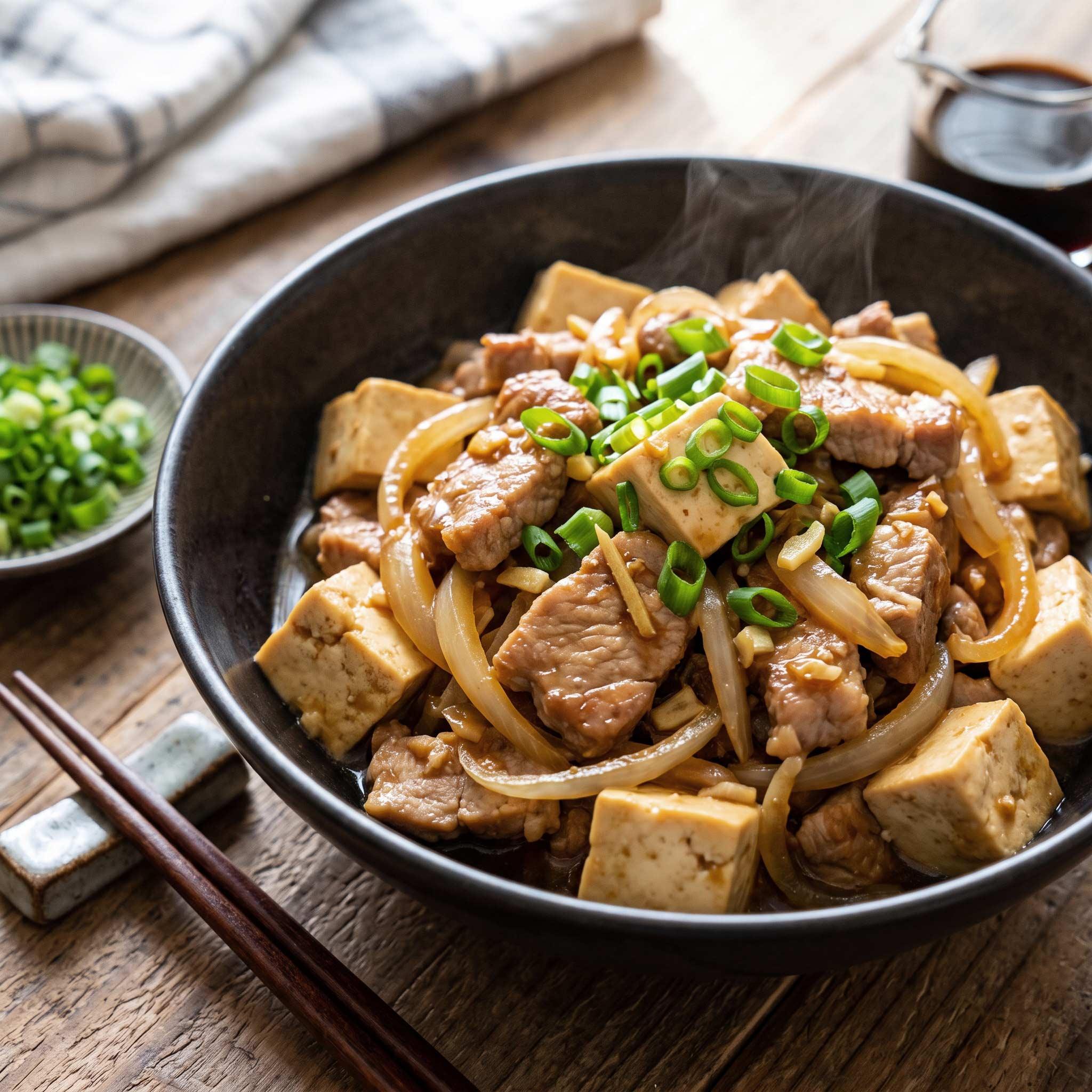
| Protein | Amount depends on CKD stage and treatment | Fish, chicken, eggs, tofu, lean beef or pork, and other proteins in portions that fit your plan | Protein supports muscles and healing but also creates waste the kidneys must remove | Needs often change with CKD stage and dialysis |
| Fluids | Large bowls of soup, noodle broth, tea, and other drinks if you have a fluid limit | Follow the amount recommended by your care team | Too much fluid can cause swelling, high blood pressure, and shortness of breath | Often more important in advanced CKD and dialysis |
Your hand as a guide to help with serving size. The palm of your hand is about three ounces, and the size of your thumb is about one ounce.
Types of Protein
| Types | Japanese Food Examples | Tips |
|---|---|---|
| Animal Protein | Fish, seafood, chicken, lean pork, lean beef, eggs | Choose fresh foods more often than processed or heavily salted choices. Use smaller amounts of salty marinades and sauces. |
| Plant Protein | Tofu, soybeans, edamame, other bean dishes | Plant proteins can fit a kidney friendly diet. Portions may need to change based on your protein, potassium, and phosphorus needs. |
Balance Your Protein Intake
| Lower Protein Intake | Increase Protein Intake |
|---|---|
| Some people with CKD who are not on dialysis may be advised to eat less protein. | People receiving dialysis usually need more protein. |
| Use smaller portions of meat, fish, poultry, eggs, or tofu. | Include a protein food at meals in the amount recommended by your kidney dietitian. |
| Build the rest of the meal with rice, vegetables, and other foods that fit your care plan. | Ask your kidney dietitian for your daily protein goal. |
Sodium
Sodium is a mineral that helps your nerves and muscles work properly, but too much can cause high blood pressure, thirst, swelling, and fluid buildup.
Sodium deserves special attention in many traditional Japanese meals because soy sauce, miso, pickled vegetables, fish cakes, soup bases, and prepared sauces can
How Much Sodium Should I Have?
Many adults with CKD are advised to aim for less than 2,300 mg of sodium per day. Your doctor or kidney dietitian may give you a different goal.
If you are on dialysis, eating too much sodium can make you thirstier and make fluid harder to manage between treatments.
Sources of Sodium in Japanese Diet
| Type of Food | Examples | Healthier Japanese Choices |
|---|---|---|
| Sauces and seasonings | Shoyu (soy sauce), teriyaki sauce, sukiyaki sauce, noodle dipping sauce, prepared seasoning mixes | Use less sauce, dilute when appropriate, serve sauce on the side, and add ginger, garlic, green onion, vinegar, citrus, pepper, or spices for flavor. |
| Fermented and pickled foods | Miso, tsukemono, umeboshi | Enjoy smaller portions and balance them with fresh or lightly seasoned foods. |
| Soups and noodle broths | Misoshiru, suimono, udon or soba broth, ramen broth | Use less salty broth and leave some broth behind, especially if you also have a fluid limit. |
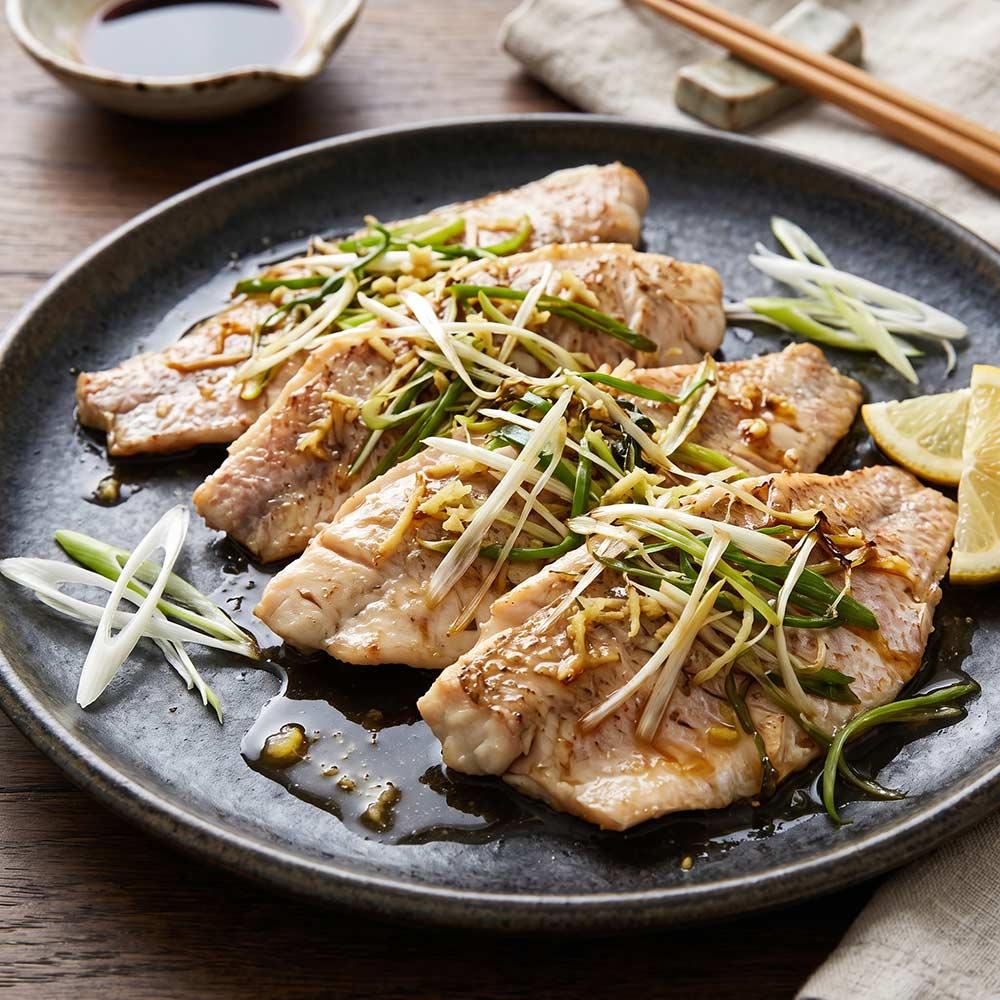
| Fish cakes and salted seafood | Kamaboko, chikuwa, satsuma-age, salted or dried fish | Choose fresh fish or seafood more often and season it with ginger, lemon, vinegar, or herbs instead of heavy sauces. |
| Snack foods | Senbei and other salty crackers | Choose unsalted or lower sodium snacks and check the Nutrition Facts label. |
Tips to Control Sodium Intake
| Small Changes That Help | Why It Matters |
|---|---|
| Use a small dish for soy sauce instead of pouring it directly over food | It helps you control how much sauce you use. |
| Choose one salty favorite instead of several salty side dishes at the same meal | Small servings can add up to a lot of sodium. |
| Leave some soup or noodle broth behind | Much of the sodium may be in the broth. |
| Use ginger, garlic, green onion, rice vinegar, citrus, pepper, wasabi, or shichimi togarashi for flavor | These can add familiar flavor without relying only on salt or soy sauce. |
| Compare labels on soy sauce, sauces, fish cakes, noodles, and snacks | Sodium can vary widely between products. |
Do not use salt substitutes made with potassium if you need to restrict potassium.
Potassium
Potassium helps your muscles and nerves work properly, including your heart. Potassium can become too high or too low in kidney disease.
You should not automatically avoid potassium rich foods because you have CKD. Your potassium plan should be based on your blood potassium level, medicines, bowel habits, blood sugar, and other health needs.
How Much Potassium Should I Have?
There is not one potassium goal that is right for everyone with CKD. Your doctor or kidney dietitian will tell you whether you need to limit potassium and what foods or portions are right for you. Always follow your kidney dietitian’s advice for your specific needs.
Common Sources of Potassium
| Type of Food | Examples to Watch if You Need to Limit Potassium | Choices or Approaches That May Fit More Easily |
|---|---|---|
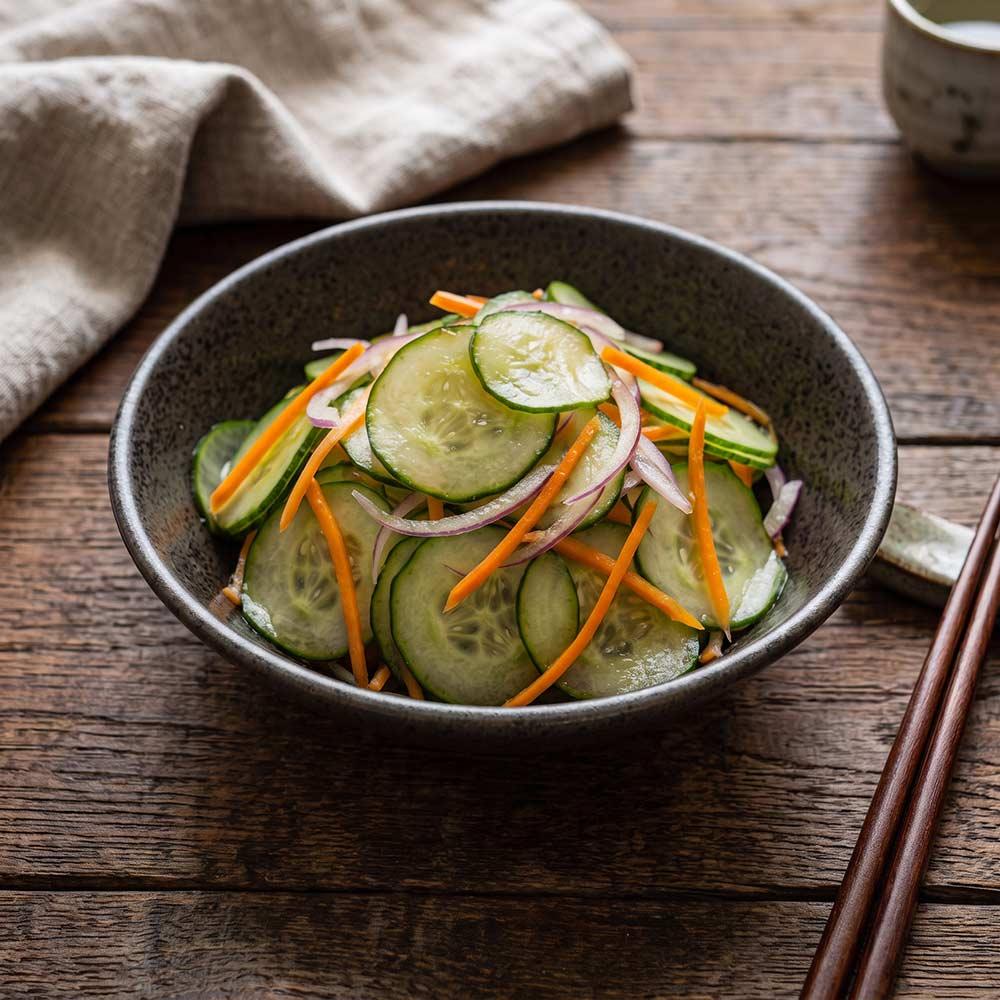
| Vegetables | Large portions of spinach, kabocha, sweet potato, taro, some seaweeds, and other higher potassium vegetables | Use vegetables and portions recommended by your kidney dietitian. Cabbage, cucumber, bean sprouts, onion, and green beans may fit more easily for some people. |
| Fruit | Large portions of oranges, melon, dried fruit, and other higher potassium fruits | Apples, pears, grapes, berries, or other fruits may fit depending on your plan. |
| Soy foods | Large amounts of soybeans, natto, soy milk, or some soy products | Tofu or other soy foods may fit in the portion recommended for you. |
| Seaweed | Kombu, wakame, hijiki, nori, especially in larger amounts | Ask your kidney dietitian about the type and portion that fits your potassium and iodine needs. |
Tips to Control Potassium Intake
| Small Changes That Help | Why It Matters |
|---|---|
| Know whether you actually need to limit potassium | Not everyone with CKD needs a low potassium diet. |
| Pay attention to portion size | A higher potassium food may fit in a smaller portion. |
| Choose fruits and vegetables based on your lab results | This helps you keep variety in your diet. |
| Check packaged foods for potassium additives if you have been told to limit potassium | Added potassium can increase your total intake. |
Phosphorus
Phosphorus helps keep bones and teeth strong. When kidneys are not working well, phosphorus can build up in your blood and pull calcium from your bones, making them weak. It’s found in meats, dairy, colas, and processed foods. Choose fresh foods instead of packaged ones and check for “phos” ingredients on labels.
How Much Phosphorus Should I Have?
Your doctor or kidney dietitian will determine how much phosphorus you need each day. Many people with CKD should limit phosphorus to about 800–1,000 mg per day, depending on lab results. Your dietitian may also recommend phosphate binder medicines to help lower phosphorus levels after meals.
Common Sources of Phosphorus
| Type of Food | Japanese Examples | Kidney Friendly Approach |
|---|---|---|
| Protein foods | Fish, seafood, meat, eggs, tofu, soybeans and other soy foods | Eat the portion recommended for your protein and phosphorus needs. |
| Processed foods | Fish cakes, packaged noodles, processed meats, convenience foods | Choose fresh foods more often and check ingredient lists for phosphate additives. |
| Soy products | Natto, soybeans, some tofu and soy beverages | Portion size matters. Ask your dietitian which soy foods fit your phosphorus and protein plan. |
| Packaged beverages or foods | Products with phosphate additives | Look for ingredients containing 'phos' and choose products without phosphate additives when possible. |
Tips to Control Phosphorus Intake
| Small Changes That Help | Why It Matters |
|---|---|
| Choose fresh foods more often | They are less likely to contain phosphate additives. |
| Read ingredient lists for 'phos' | Added phosphorus is absorbed more easily by the body. |
| Do not remove whole food groups unless your care team tells you to | Your phosphorus needs should be based on your labs and overall nutrition. |
| Take phosphate binders exactly as prescribed | They work with food to reduce phosphorus absorption. |
Fluids
Fluids include drinks and foods that are liquid at room temperature. Soups and noodle broths also count as fluid.
This can matter in Japanese meal patterns because tea, soup, and noodle broth may be served throughout the day.
How Much Fluid Should I Have?
- People with early stage CKD may not need to limit fluids.
- Many people on dialysis often need to limit fluids to prevent swelling, high blood pressure, and discomfort during treatment.
Your doctor or kidney dietitian will tell you how much fluid is right for you.
Common Sources of Fluid
| Type of Drink or Liquid | Examples | Kidney Friendly Approach |
|---|---|---|
| Tea | Green tea, bancha, genmaicha | Count tea toward your daily fluid allowance if you have a fluid limit. |
| Soup | Misoshiru, suimono | Use a smaller bowl and leave some broth behind if you have a fluid limit. |
| Noodle soup | Udon, soba, ramen broth | Broth counts as fluid and may also contain a lot of sodium. |
| Other beverages | Water, coffee, milk, juice | Follow the amount recommended by your care team. |
| Foods that melt | Ice, gelatin, frozen desserts | These also count as fluid if you have a restriction. |
Tips to Control Fluid Intake
| Small Changes That Help | Why It Matters |
|---|---|
| Use a smaller cup or soup bowl | It makes portions easier to control. |
| Leave some broth behind | This can reduce both fluid and sodium. |
| Measure your usual tea cup or drinking glass | Knowing its size makes tracking easier. |
| Limit salty foods if you have a fluid restriction | Salty foods can make you thirstier. |
Food Swaps for Japanese Kidney-Friendly Meals
| Traditional Food or Dish | Concern | Kidney-Friendly Swap | Why It Works |
|---|---|---|---|
| Miso soup made with a large amount of miso | Sodium and fluid | Use less miso, add fresh vegetables or tofu in portions that fit your plan, and use a smaller bowl | Keeps a familiar soup while lowering sodium and fluid. |
| Soy sauce poured directly over rice, tofu, or fish | Sodium | Put a small amount of soy sauce in a dipping dish or use a reduced sodium option when appropriate | Helps control the amount used. |
| Udon, soba, or ramen with all the broth | Sodium and fluid | Eat the noodles and toppings but leave some broth behind; use less salty broth when cooking at home | Reduces sodium and fluid while keeping the dish familiar. |
| Teriyaki made with a lot of bottled sauce | Sodium and added sugar | Use less soy sauce and build flavor with ginger, garlic, rice vinegar, citrus, or a small amount of mirin | Keeps Japanese flavor with less salty sauce. |
| Tsukemono or umeboshi in large portions | Sodium | Enjoy a small portion and pair with fresh or lightly seasoned vegetables | Keeps a traditional food on the plate while reducing sodium. |
| Kamaboko or other fish cakes | Often high sodium and may contain additives | Choose fresh grilled or baked fish more often | Provides protein with less processing and usually less sodium. |
| Tempura as a frequent main dish | Fried food; dipping sauce may be high sodium | Use smaller portions and pair with steamed rice, fresh vegetables, and a small amount of dipping sauce | Keeps the traditional food while balancing the meal. |
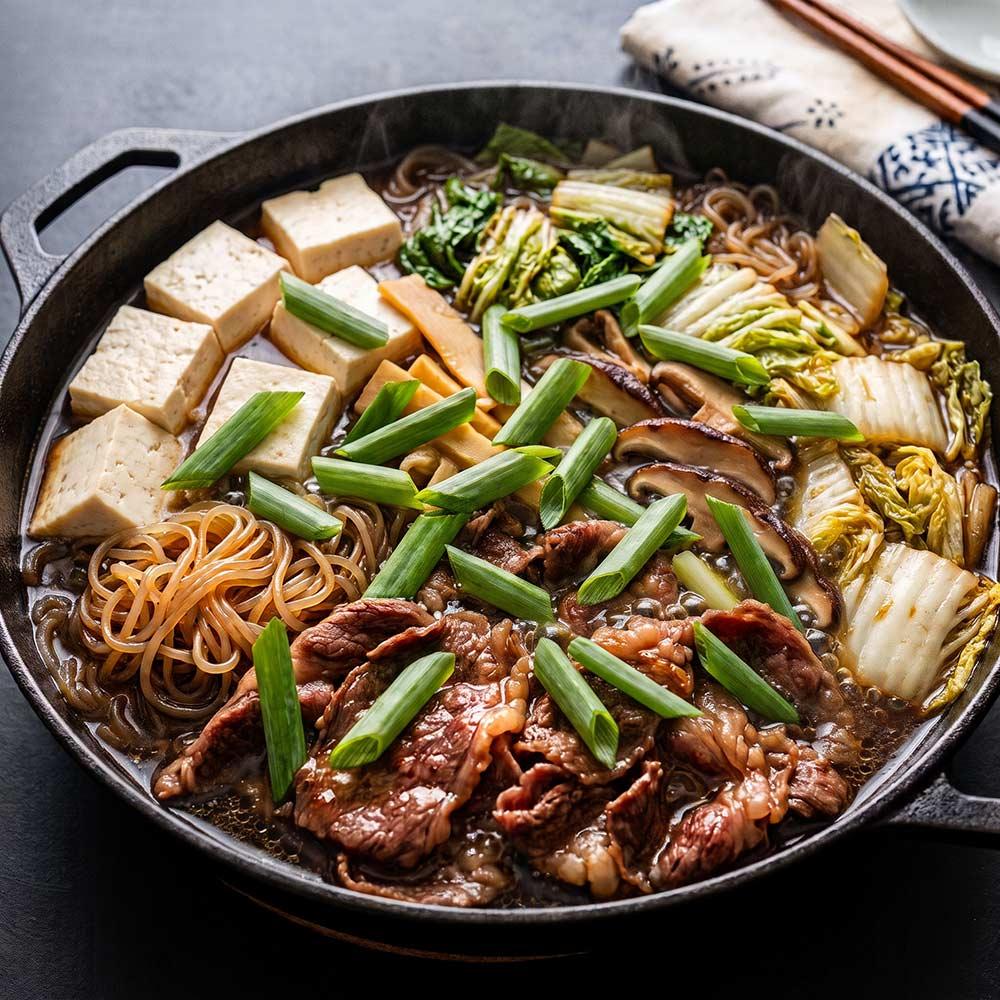
| Sukiyaki with a large amount of sauce | Sodium; potassium may vary by ingredients | Use less sauce and choose vegetables and protein portions based on your kidney meal plan | Allows the dish to be individualized. |
Japanese Kidney Friendly Plate
The Japanese Kidney Friendly Plate uses the same NKF Kidney Friendly Plate framework and adapts the food examples to Japanese meals. Use a 9 to 10 inch plate as a guide. Your kidney dietitian may change the portions based on your stage of CKD, lab results, diabetes, dialysis treatment, appetite, and other health needs.
Key Reminders
- Choose fresh foods most often.
- Limit sodium.
- Read labels and watch portion sizes.
- Choose potassium and phosphorus foods based on your lab results.
- Work with a kidney dietitian to build a plan that works for you.
Examples of Japanese Kidney Friendly Meals
| Meal | Example Foods | Kidney Diet Tip |
|---|---|---|
| Breakfast | Steamed rice, egg, cucumber or cabbage, fresh fruit, tea if allowed | Keep miso soup, pickles, and soy sauce portions small. |
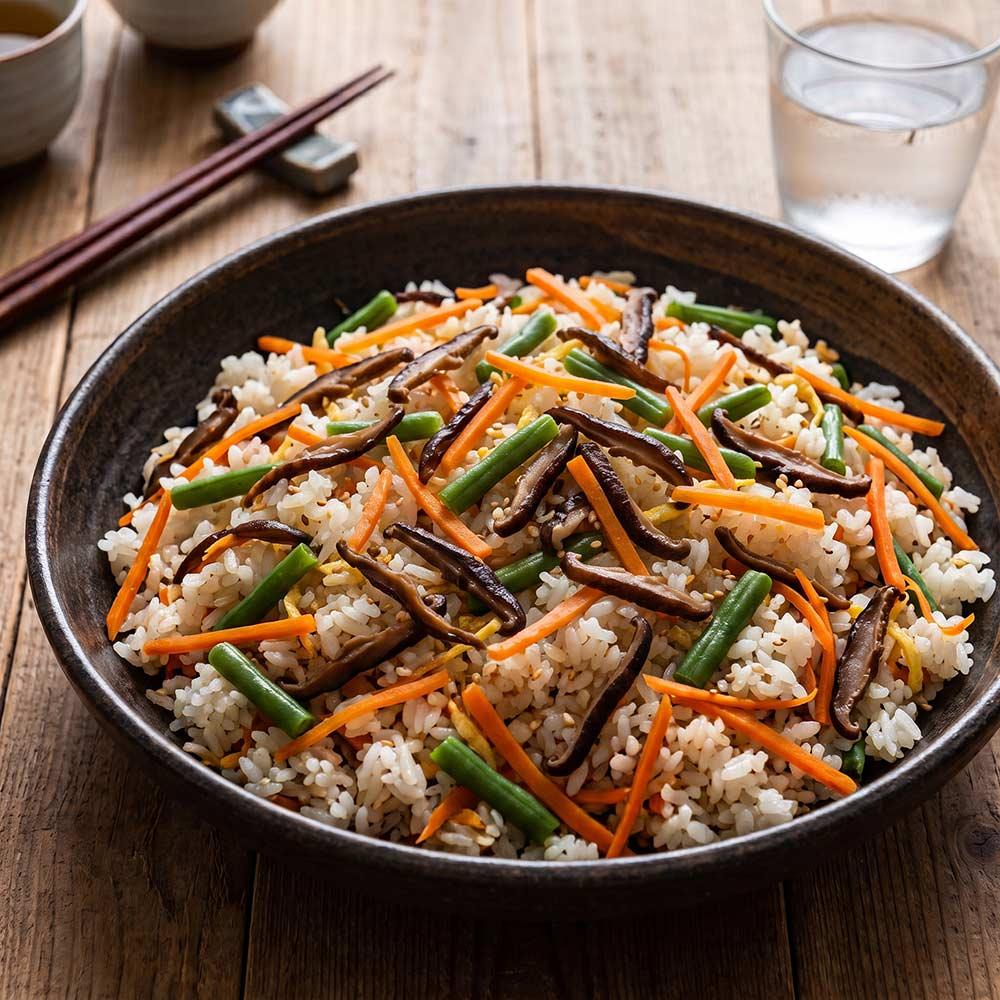
| Lunch | Rice bowl with grilled fish or chicken and lightly seasoned vegetables | Use less sauce and choose vegetables based on your potassium needs. |
| Dinner | Steamed rice, grilled fish or tofu, cabbage or green beans, small serving of a favorite traditional side dish | Choose one salty favorite instead of several salty side dishes. |
| Snack | Apple or pear slices, unsalted rice snack, or another food that fits your plan | Check packaged snacks for sodium and phosphate additives. |
Planning for Celebrations
Traditional foods are an important part of Japanese holidays and family gatherings. You do not have to give them up. The Japanese renal culture source describes foods associated with New Year and other celebrations, including ozoni, osechi ryori, mochi, sushi, soba, fish, beans, and other special dishes.
- Choose smaller portions of salty holiday foods.
- If you have a sodium or fluid restriction, use a smaller bowl of ozoni or other soup and leave some broth behind.
- Balance several traditional foods by choosing only one or two salty favorites.
- Use less soy sauce and other salty seasonings when preparing foods at home.
- If you also have diabetes, ask how rice, noodles, mochi, and sweets fit into your carbohydrate plan.
- Choose fruits and vegetables according to your potassium needs.
Questions to Ask Your Kidney Dietitian
- How can I make Japanese meals lower in sodium without losing the flavors I enjoy?
- How much soy sauce, miso, or pickled food can fit into my meal plan?
- Do I need to limit potassium, and which Japanese fruits, vegetables, seaweeds, or soy foods should I watch?
- Can tofu, natto, and other soy foods fit into my protein and phosphorus goals?
- How much rice or noodles should I eat if I also have diabetes?
- How should I count soups, noodle broth, and tea if I need to limit fluids?
- Which Japanese sauces or seasoning products are better choices for me?
- How can I adjust foods for New Year and other family celebrations?