August 31, 2026
Article By: NKF Staff

Back-to-school season means busy mornings, packed lunches, after-school activities, and family dinners that need to come together quickly. If your child is living with kidney disease, planning meals can add another layer of stress.
The good news? Kidney-friendly eating does not have to mean complicated recipes or giving up foods your family enjoys. With the right ingredients and portions, you can find simple options for breakfast, snacks, lunch, and dinner.
Here are seven recipes from the National Kidney Foundation (NKF) that can help make your back-to-school routine a little easier.
1. Strawberry Pineapple Plant-Based Smoothie
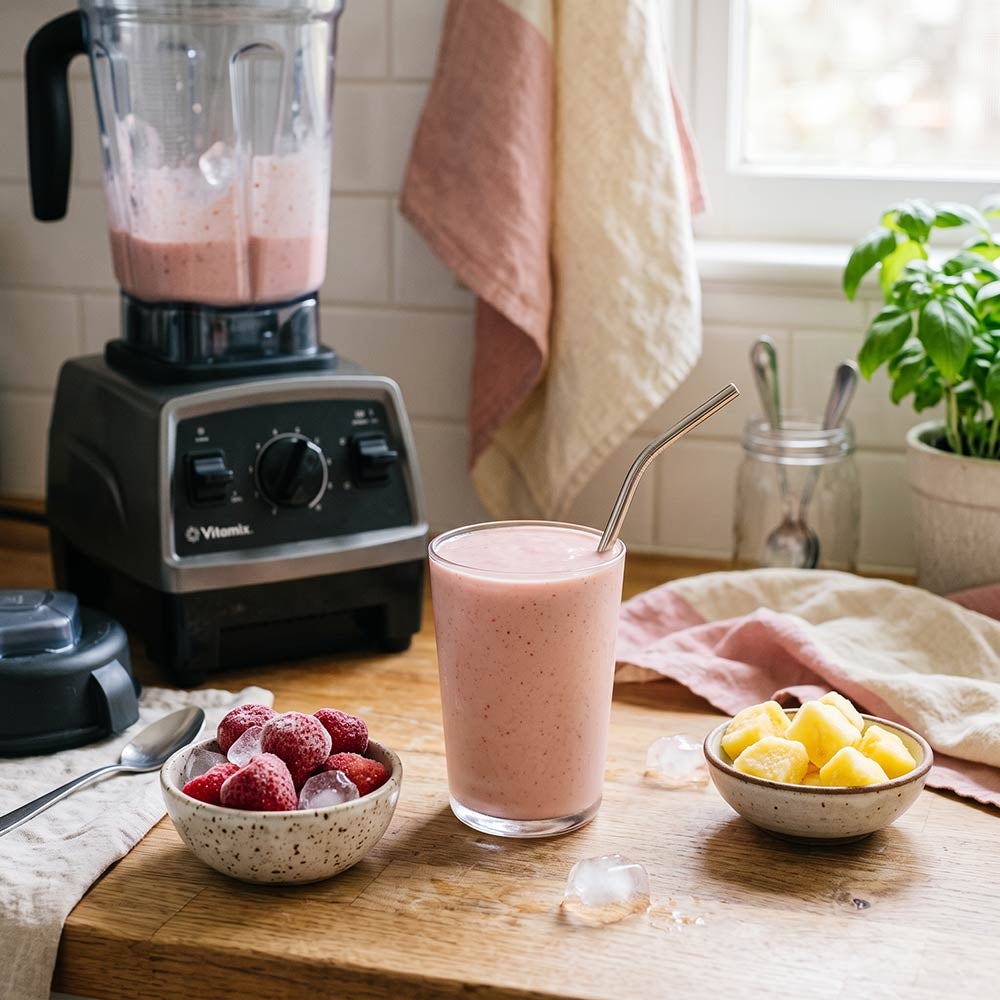
Busy morning? This five-minute smoothie is an easy way to start the day. It combines strawberries and pineapple with plant-based yogurt and milk for a sweet, refreshing breakfast or snack.
You can use fresh or frozen fruit, making this a convenient option when you are short on time. For a thicker smoothie, simply use less plant-based milk.
Kidney-friendly tip: Choose plant-based milk and yogurt without phosphate additives. And remember that potassium and phosphorus amounts can vary between brands, so check the Nutrition Facts label and ingredient list.
2. Strawberry and Chocolate Frozen Yogurt Bark
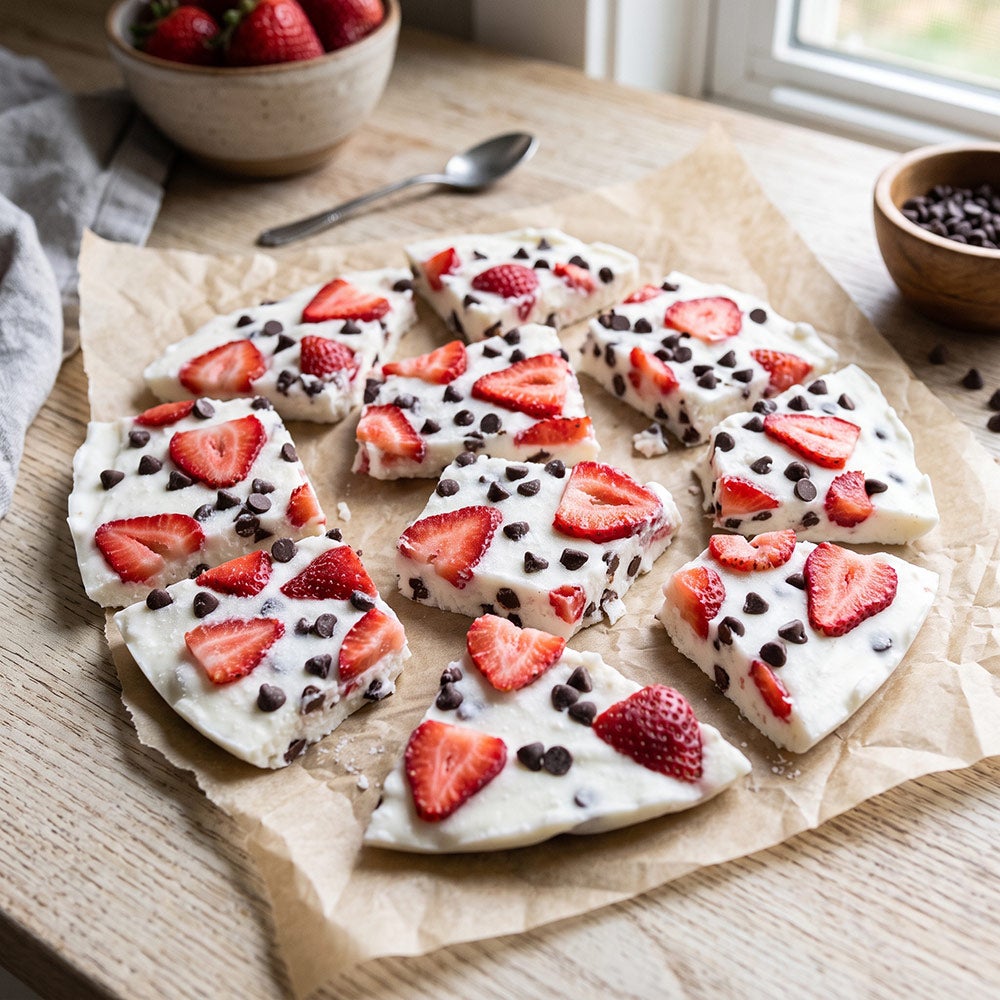
Looking for an after-school snack that has nutritional value but still feels like a treat? This frozen yogurt bark combines creamy Greek yogurt and strawberries with a sprinkle of mini chocolate chips for a snack kids will be excited to see waiting in the freezer.
It takes just 10 minutes to prepare, although it needs at least three hours to freeze. Make a batch ahead of time, and you’ll have an easy grab-and-go snack ready for the busy school week
Join the NKF Blog Newsletter
Get Support, Delivered Monthly
Get monthly inspirational stories, practical insights, and expert advice to manage your kidney health at any stage.
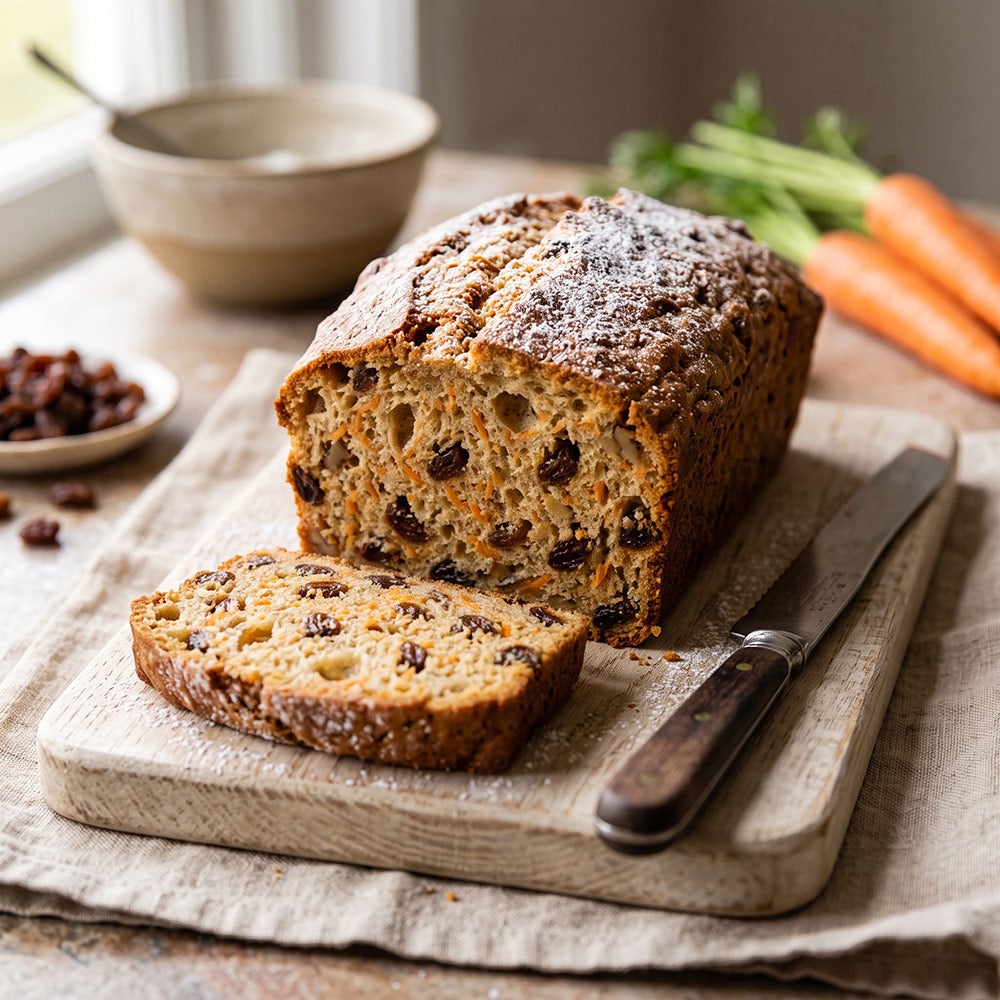
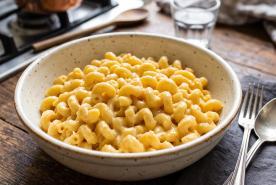
4. Kidney-Friendly Macaroni and Cheese
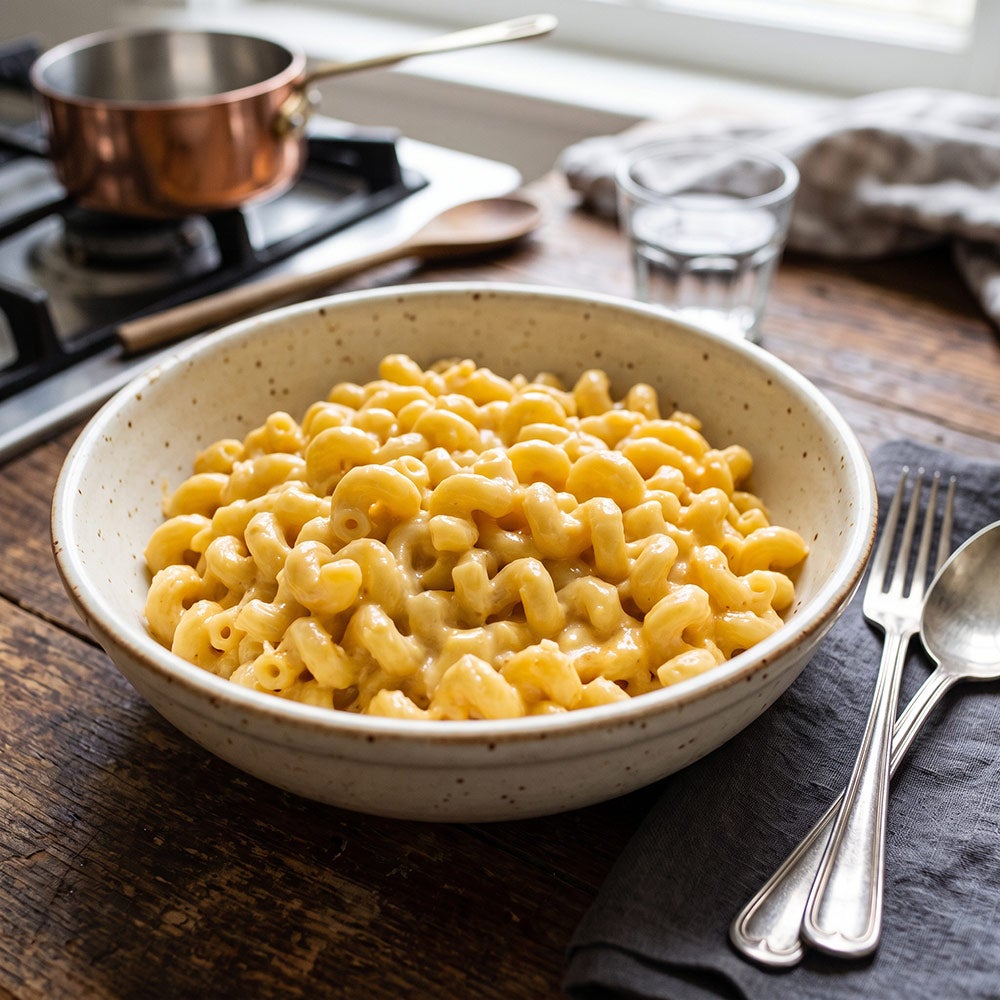
Even the pickiest eaters usually love macaroni and cheese!
All you need for this 12-minute recipe is noodles, cheddar cheese, unsalted butter, and dry ground mustard. It can work as a quick lunch, an easy dinner, or a side dish when you need something on the table fast.
It’s also lower in sodium, potassium, and phosphorus compared with many traditional macaroni and cheese recipes.
5. Blueberry Energy Balls
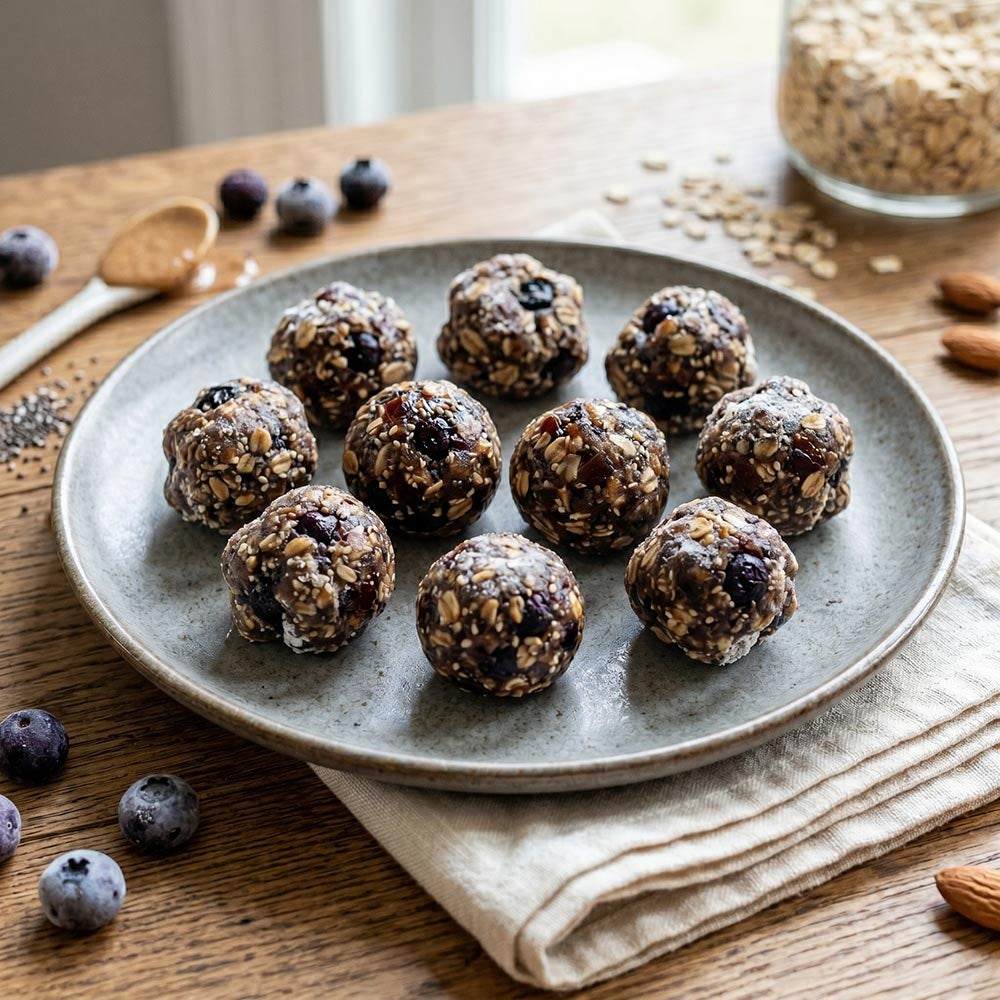
School snacks don't have to come from a package. They also don’t have to be complicated or hard to make. Simply combine blueberries, dates, gluten-free oats, almond butter, and chia seeds in a food processor, roll the mixture into balls, and refrigerate for at least an hour.
They’re easy to portion into a lunchbox or grab after school before heading to practice or another activity.

6. Simple Cheese Quesadillas
When you need lunch or dinner on the table quickly, quesadillas can be a simple solution. These use just two ingredients: corn tortillas and Monterey Jack cheese.
Because cheese can be higher in phosphorus, the recipe also includes a kidney-friendly adjustment to use less cheese or choose a lower-phosphorus option if recommended by your dietitian.
7. Turkey and Noodles
After school, homework, sports, activities, and everything else on the calendar, dinner can quickly become an afterthought.
Enter turkey and noodles.
This one-skillet meal combines ground turkey, macaroni, green peppers, green onions, diced tomatoes, and Italian seasoning. It makes eight servings, so it's a good option when you're feeding a family—or when you want leftovers that can save you from cooking again tomorrow.
Make Back-to-School Meals Easier
The school year can make it difficult to find time to plan and prepare meals. A little preparation can help.
Try these simple strategies:
- Prep snacks ahead of time. Make energy balls or frozen yogurt bark over the weekend so snacks are ready during the week.
- Cook once, eat twice. Prepare a larger dinner and save leftovers for lunch the next day.
- Keep quick ingredients on hand. Frozen fruit, tortillas, noodles, and other staples can help you put together a meal when time is short.
- Read food labels. Sodium, potassium, and phosphorus can vary significantly between brands and products.
- Make recipes work for you. Your kidney-friendly diet may have specific limits based on your health needs. Your dietitian can help you adjust ingredients and portions