August 05, 2026
Article By: Colin J. Gimblet, PhD, Andrew Bzowyckyj, PharmD, BCPS, CDCES

IgA nephropathy (IgAN) is entering a period of rapid therapeutic change.
In response to the evolving treatment landscape in IgAN, the National Kidney Foundation (NKF) hosted two scientific workshops in spring 2026: The Future of Clinical Trials in IgAN, held April 22-24 in Washington, DC, and B-Cell Therapies for Treating IgAN, held May 14-16 in Dallas, Texas.
The Evolving IgAN Treatment Landscape
While considered a rare disease, IgAN is the most common primary glomerulonephritis worldwide and a significant risk factor for kidney failure1,2. The pathogenesis of IgAN follows the “four-hit hypothesis” (Table 1). Kidney injury in IgAN results from both disease-specific immune mechanisms and the downstream effects of nephron loss that are common to all forms of CKD3,4.
Table 1. The “Four-hit hypothesis” in IgA Nephropathy
| Hit 1 | Excess production of galactose-deficient IgA1 (Gd-IgA1) by mucosal B-cells |
|---|---|
| Hit 2 | Generation of autoantibodies against Gd-IgA1 |
| Hit 3 | Formation of Gd-IgA1-containing immune complexes |
| Hit 4 | Immune complex deposition in the glomerular mesangium, triggering inflammation, fibrosis, and nephron loss |
Recent advances in drug discovery, combined with the adoption of proteinuria as a surrogate endpoint for regulatory approval5,6, have accelerated the development of new therapies for IgAN. Since 2021, three treatments have received full FDA approval to slow kidney function decline, and three have received accelerated approval to reduce proteinuria in IgAN. This momentum is also reflected in the growing number of therapies now in early- and late-phase clinical trials7.
Updated KDIGO Clinical Practice Guidelines for IgAN
These developments prompted the publication of the KDIGO 2025 Clinical Practice Guidelines for IgAN8 and subsequent 2026 KDIGO Commentary on complement inhibitors and B-cell-modifying agents for IgAN9 and NKF/KDOQI US Commentary on the guideline with perspectives for implementation within the context of clinical practice in the United States10. The new guidelines represent a significant update to the KDIGO 2021 Clinical Practice Guideline for the Management of Glomerular Diseases11, in which optimized supportive care was the only available treatment approach for IgAN.
The updated KDIGO guidelines recommend a simultaneous, two-pronged treatment approach (Figure 1). One component focuses on disease-specific therapies that prevent or reduce IgA-containing immune complex formation and immune complex-mediated glomerular injury. The other approach focuses on managing the downstream consequences of IgAN-induced nephron loss through optimized CKD therapy. Importantly, the guidelines state that both approaches should be considered simultaneously in all patients.
Figure 1. KDIGO Two-Pronged Treatment Approach for IgA Nephropathy
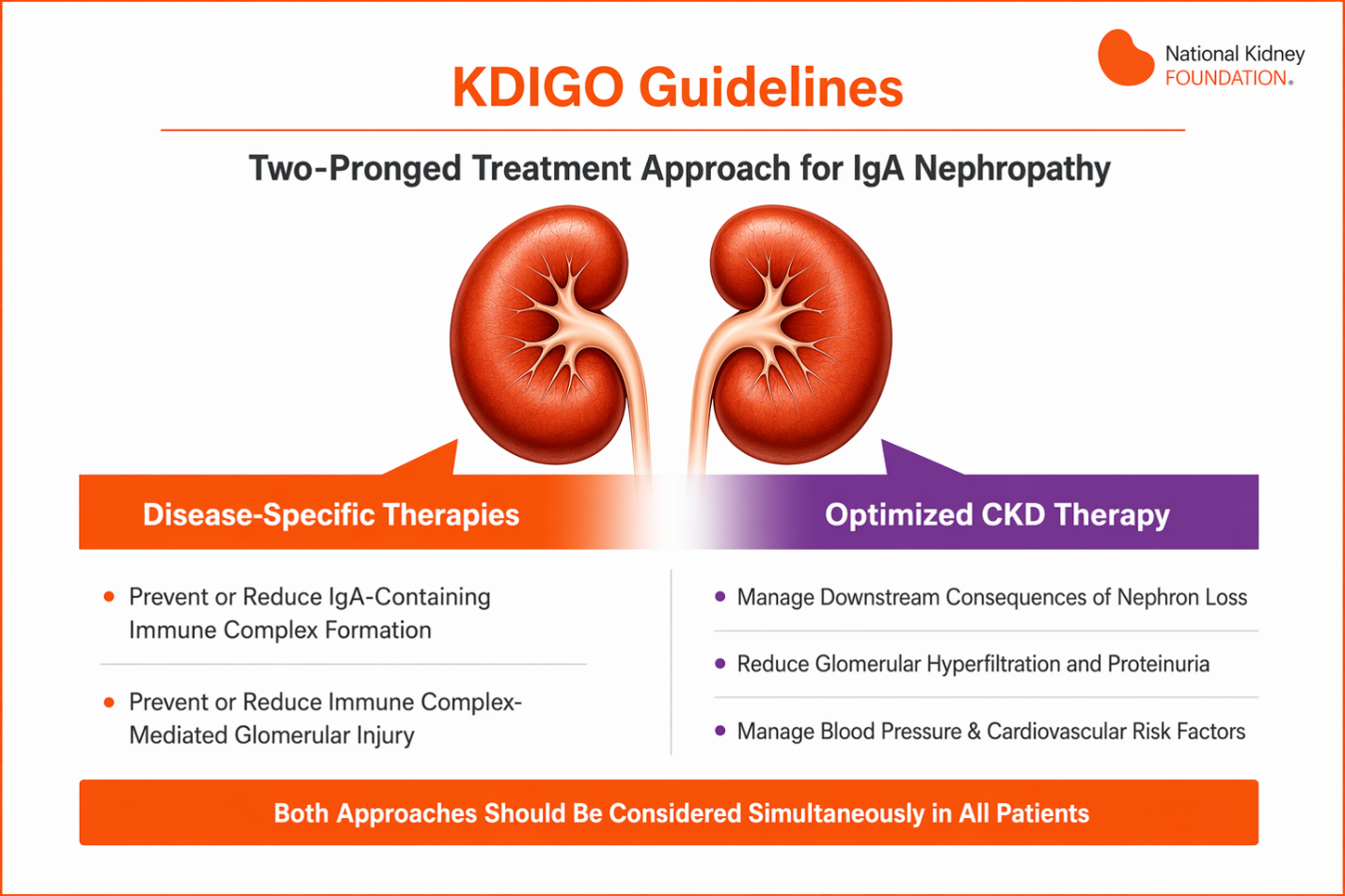
Table 2. Newly Approved Treatments for IgA Nephropathy
Brand Name (Generic) | Approval Date (for IgAN) | Approval Type* | Target/Mechanism** |
|---|---|---|---|
Tarpeyo (targeted-release budesonide) | Dec 2023 | Full | Hits 1-3: Targeted-release corticosteroid acting on mucosal B-cells to reduce production of pathogenic IgA1 |
Filspari (sparsentan) | Sep 2024 | Full | Hit 4/Optimized CKD Therapy: Dual Endothelin-A & Angiotensin II type 1 receptor antagonist (DEARA) |
Fabhalta (iptacopan) | Aug 2024 | Full | Hit 4: Complement factor B inhibitor, inhibitor of the alternative complement pathway |
Vanrafia (atrasentan) | Apr 2025 | Accelerated | Hit 4/Optimized CKD Therapy: Selective endothelin A receptor antagonist |
| Voyxact (sibeprenlimab) | Nov 2025 | Accelerated | Hits 1-3: APRIL-targeting monoclonal antibody that blocks APRIL to modulate B-cells |
| Trutakna (atacicept) | Jul 2026 | Accelerated | Hits 1-3: BAFF- and APRIL-targeting fusion protein that blocks both signals to modulate B-cells |
*Full FDA approval is made based upon 2-year estimated glomerular filtration rate (eGFR) data in pivotal trials, while accelerated approval is based on 9-month urine protein-creatinine ratio (UPCR) data.
**Therapies are categorized by their predominant mechanisms of action, although many have secondary effects that may also contribute to clinical benefit.
NKF IgAN Workshops, Spring 2026
Together, NKF’s two spring 2026 scientific workshops addressed complementary challenges in the evolving IgAN treatment landscape: how emerging B-cell therapies should be used in clinical practice and how future clinical trials should be designed as treatment options and standards of care continue to expand.
The B-Cell Therapies for Treating IgAN Workshop convened nearly 50 leading nephrologists representing adult, pediatric, and transplant nephrology from across the United States to develop recommendations on the clinical use of B-cell therapies in IgAN. Discussions centered on three areas: patient selection, treatment monitoring, and combination therapy, all through the lenses of the adult, pediatric, and transplant patient populations.
The goal of this Workshop was to generate expert consensus recommendations on the clinical use of B-cell therapies in patients with IgAN. The group also identified research priorities needed to address lingering questions in the field. Expert consensus will be established through a structured Delphi process, which is currently ongoing, with a final report expected later this year. The resulting recommendations are intended to provide much-needed guidance in a rapidly evolving area of nephrology practice.
Beyond questions about the clinical use of B-cell therapies, the FDA approval of five treatments with several more in late-stage clinical development has also introduced important challenges for the design of future IgAN clinical trials. These include the declining patient interest in and feasibility of placebo-controlled studies, the growing need for active comparator arms, and the heterogeneous global standard of care in IgAN treatment. Additional barriers include patient eligibility criteria, rescue therapy thresholds, and trial duration, all of which limit the ability of companies to recruit patients into clinical trials. Interestingly, these issues appear to be more prominent in the United States, for now.
To address these barriers, The Future of Clinical Trials in IgAN Workshop brought together nearly 100 attendees from around the world, including nephrologists, statisticians, patient organizations, regulators, and sponsors from 20 pharmaceutical companies. Discussions focused on how to advance clinical trial design in IgA nephropathy in a way that is patient-centered, scientifically rigorous, and aligned with regulatory expectations. The planning committee is currently summarizing Workshop findings and intends to publish this guidance soon to help optimize trial design for the next generation of IgAN clinical trials.
Bringing Experts Together
IgAN is experiencing a remarkable period of progress, creating new possibilities for both patients and clinicians. At the same time, this pace of change has posed unique challenges in how best to integrate these emerging therapies into clinical practice and generate the evidence needed to guide the future evolution of IgAN care. Through these workshops, NKF is helping the field meet this moment by bringing experts together to address uncertainty, build consensus, and support the next phase of progress in IgAN.