July 09, 2026
Article By: Miriam Godwin, NKF Vice President of Health Policy

More than 1 in 7 U.S. adults are estimated to have chronic kidney disease (CKD), yet about 9 in 10 don't know they have it. Because kidney disease often develops without noticeable symptoms, many people are not diagnosed until the disease has already progressed. By then, treatment options may be more limited.
Table of Contents
Key Takeaways
Key Takeaways
About 9 in 10 people with chronic kidney disease (CKD) don't know they have it because symptoms often don't appear until late stages.
An eGFR blood test and a uACR urine test can identify kidney disease before symptoms develop.
Finding CKD early allows you to take steps that help slow disease progression and reduce the risk of kidney failure.
Advancing Early Disease Care
The good news is that early detection can make a difference. When CKD is found early, people have more opportunities to slow disease progression, protect kidney function, and reduce the risk of kidney failure.
That message was at the center of Axios Live's Advancing Early Disease Care event in Washington, D.C., where the National Kidney Foundation (NKF) joined healthcare leaders, policymakers, and advocates to discuss how earlier diagnosis and better prevention can improve health outcomes for millions of Americans.
Why Is Early Detection of Kidney Disease So Important?
Chronic kidney disease often develops silently. Most people do not experience symptoms during the early stages, making routine screening especially important.
Finding kidney disease early gives patients and healthcare professionals time to:
- Control blood pressure
- Better manage diabetes
- Start medications that can help slow CKD progression
- Make healthy lifestyle changes
- Monitor kidney function over time
- Connect with kidney specialists when appropriate
Early action can help preserve kidney function, delay or prevent kidney failure, and improve overall health.
How Is Kidney Disease Detected?
Detecting kidney disease is simple. It requires two important tests that work together to provide a complete picture of kidney health:
- Estimated Glomerular Filtration Rate (eGFR): A blood test that measures how well your kidneys are filtering waste.
- Urine Albumin-to-Creatinine Ratio (uACR): A urine test that checks for albumin (a type of protein) leaking into the urine, which can be an early sign of kidney damage.
Why Earlier Diagnosis Was the Focus of the National Conversation
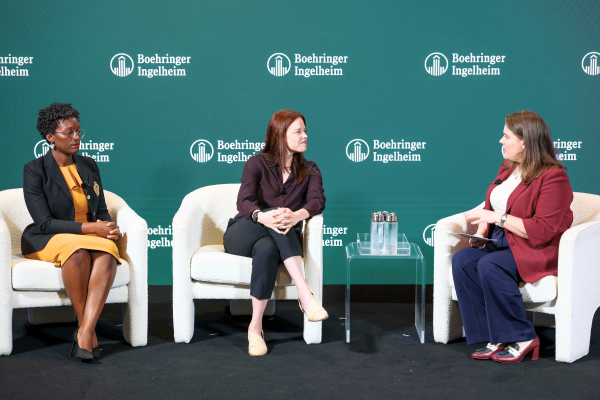
During Axios Live's Advancing Early Disease Care event, healthcare leaders discussed an important challenge–too often, the U.S. healthcare system focuses on treating disease after serious complications develop instead of preventing them through earlier diagnosis and intervention.
The discussion explored how new technologies, stronger prevention efforts, better care coordination, and supportive health policies can help identify chronic diseases sooner and improve long-term outcomes.
Representing NKF, Miriam Godwin, Vice President of Health Policy, joined Allison Murphy, Chief Operating Officer at Axios, and Jessica Pius-Nwagwu, MSN, BSN, RN, Director of Primary Care at the American Diabetes Association (ADA), to discuss how kidney disease care is changing.
Axios congressional reporter Kate Santaliz and health tech deals reporter Brock Turner hosted one-on-one conversations with leaders including The Honorable Debbie Dingell, Representative for Michigan’s 6th Congressional District and member of the House Energy and Commerce Committee and Lexi Branson, Vice President of Health Policy at the U.S. Chamber of Commerce.
These conversations highlighted a growing shift in kidney care from waiting until kidney failure becomes likely to identifying CKD earlier, treating it sooner, and helping people preserve kidney function for as long as possible.
Bringing Kidney Health Into Primary Care
Early detection starts in primary care.
That is why NKF created CKDintercept®, a national initiative that helps healthcare teams identify, diagnose, and manage chronic kidney disease earlier.
Today, CKDintercept works across 25 states with more than 52 partners, supporting healthcare systems that serve approximately 8 million adults.
The initiative helps primary care practices:
- Identify patients at risk for CKD
- Increase use of eGFR and uACR testing
- Follow evidence-based care guidelines
- Connect patients to the right care at the right time
During the event, Jessica Pius-Nwagwu also emphasized the importance of collaboration between NKF and the American Diabetes Association. By working together, we can increase awareness of chronic kidney disease, integrate evidence-based kidney care into primary care practices, and ensure healthcare teams have the tools they need to identify and manage CKD earlier.
Looking Ahead
Advancing early disease care will take collaboration across patients, clinicians, policymakers, employers, health systems, innovators, and community organizations.
NKF and our allies in Washington are working to ensure kidney disease is part of that national conversation.
Earlier detection can help people preserve kidney function, reduce avoidable complications, and make informed decisions about their care. It can also help strengthen the health care system by shifting focus from crisis response to prevention and timely intervention.
For people living with or at risk of kidney disease, that shift can mean more time, more options, and a better chance at healthier lives.