May 26, 2026

Angelo Gaffo, David Mount, Stefanie Steiger, Tuhina Neogi, N. Lawrence Edwards, Michael Toprover, Richard Johnson, Chio Yokose, Enver Akalin, Mariano Andres, Maria Danila, Richard Knight, Jennifer Gentry
Gout pain can stop you in your tracks. A sudden flare can make it hard to walk, sleep, or even think clearly.
What many people don’t realize is that gout isn’t just a joint problem. It’s closely connected to kidney health, and the two conditions can make each other worse.
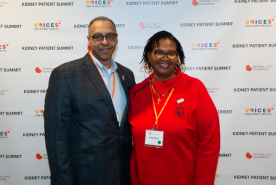
That’s why, in February 2026, the National Kidney Foundation (NKF) brought together patients, care partners, and leading experts in kidney and joint health for a Scientific Workshop on the Management of Gout in Chronic Kidney Disease (CKD). The workshop, chaired by nephrologist Dr. David Mount and rheumatologist Dr. Angelo Gaffo, had one goal in mind–to improve care for people living with both conditions.
Key Takeaways
Key Takeaways
Gout and kidney disease are linked. High uric acid can make both worse.
Gout is often missed or misdiagnosed. It’s not just caused by diet. Genes and kidney health matter.
Managing gout in CKD takes the right treatment plan and communication with your doctor.
The Link Between Gout and Kidney Disease
The kidneys are responsible for removing uric acid, a waste product, from your body. If they are damaged, like in the case of chronic kidney disease, uric acid can build up more quickly, increasing the risk of gout.
Gout is one of the most common and serious forms of arthritis. It happens when uric acid builds up in the blood and forms sharp crystals that cause intense pain and swelling in the joints.
These crystals can also further damage the kidneys.
Despite this, it’s often misdiagnosed or missed entirely.
In short:
- Kidney disease can increase your risk of gout
- Gout may worsen kidney health if not treated properly
This cycle makes early diagnosis and proper treatment especially important.
Why So Many People Are Misdiagnosed or Undertreated with Gout
At NKF, we hear from patients every day who feel overlooked, misunderstood, or blamed for their symptoms. Many are told their pain is caused by something else or that gout is a result of their diet.
But gout is not a personal failure. It is a complex medical condition. And, for many people, genetics plays a major role. While diet can influence symptoms, it is rarely the sole cause. We believe that people deserve care that reflects science, not outdated myths.
That’s why this workshop mattered. We created a space where experts and patients could speak honestly about what’s working, what isn’t, and what needs to change.
“This workshop explored the large gaps in clinical care and research that exist when patients with chronic kidney disease have gout,” said Co-Chair Angelo Gaffo. “The specialists and patients defined the agenda to enhance the knowledge of gout and CKD and proposed future research questions.”
Together, participants discussed the best ways to diagnose gout earlier, use the right medications, and make sure that people with gout and CKD get the treatment they deserve.

What Experts Say Needs to Change
One of the most important outcomes of the NKF workshop was a shared understanding between patients and providers that gout care needs to improve in four main areas.
Earlier and More Accurate Diagnosis
Providers need to take symptoms seriously, especially when people have a family history of gout or kidney disease.
Better Use of Medications
Some medications used to treat conditions like high blood pressure or diabetes may also help manage gout. Patients should talk to their healthcare team about whether their current treatment plan supports kidney health and gout control.
Personalized Treatment Plans
Gout is often only treated during flare-ups. But studies have shown that it is a progressive disease that needs some sort of ongoing treatment.
Additionally, not everyone with high uric acid levels (hyperuricemia) will develop gout or need treatment. Others may experience refractory gout, a recurring form of gout that is difficult to treat.
Care needs to be tailored to each person’s symptoms and risk factors.
Breaking the Myths
Many believe that gout is caused by the “wrong” foods or by weight. But gout is not a personal failure, and blaming patients only delays proper care.
Empowering Patients to Speak Up
Another major theme of the workshop was patient empowerment.
Participants with gout and kidney disease highlighted the importance of asking the right questions and engaging in their own advocacy.
That includes asking questions like:
- Could my symptoms be gout?
- How does my kidney disease affect my treatment options?
- Are my current medications helping or worsening my gout?
Healthcare providers also play a key role in informing their patients about all aspects of gout. They stated that outcomes improve when patients feel educated and heard.
What’s Next
This workshop is just one step in NKF’s ongoing commitment to supporting people living with gout and CKD.
NKF is now preparing a full report that summarizes:
- What experts agree on
- Where more research is needed
- How NKF can continue supporting better gout management
Stay tuned for the full report.