Last updated: August 13, 2026
Medically reviewed by: NKF Patient Education Team
Learn how high blood pressure affects your kidneys, raises CKD risk, and what you can do to protect your health.
About High Blood Pressure (Hypertension)
Blood pressure is the force of blood pushing against the walls of your blood vessels. It is shown as two numbers:
- The top number is the pressure when your heart beats, also known as “systolic” (suh-STAH-lick)
- The bottom number is the pressure when your heart rests between beats, also known as “diastolic” (dye-uh-STAH-lick).
Hypertension means your blood pressure stays too high over time. Normal blood pressure for adults is under 120/80. For most adults, high blood pressure is defined as an average reading of 130/80 or higher.
One high reading does not always mean you have high blood pressure (hypertension). Your healthcare team will look at multiple readings taken at different times.
The Kidney Connection
High blood pressure and chronic kidney disease (CKD) are closely linked:
- High blood pressure can cause CKD. Over time, high pressure can damage the small blood vessels in your kidneys that filter waste from your blood.
- CKD can cause high blood pressure. Damaged kidneys may have trouble removing extra salt and water. This can raise blood pressure.
- Each condition can make the other worse. Keeping your blood pressure in a healthy range can protect your kidneys, heart, brain, and blood vessels.
Signs and Symptoms
High blood pressure usually has no signs or symptoms. You may feel well even when your blood pressure is high. That is why checking it is so important. If symptoms are present, you may notice:
- Headache
- Nosebleeds
- Dizziness
- Feeling tired all the time
- Shortness of breath (feeling like you cannot get enough air or working too hard to breathe)
When very high blood pressure is an emergency
If your blood pressure is higher than 180/120, wait at least one minute and check it again.
Call 911 if it is still this high, and you have symptoms such as:
- Chest pain
- Trouble breathing
- Back pain
- Sudden weakness or numbness
- Trouble speaking
- A sudden change in vision
- Confusion or another sudden change in how you feel
If your blood pressure is this high and you do not have any of these symptoms, contact your healthcare team right away for instructions.
Causes
For most people, high blood pressure does not have one clear cause. It may develop over many years. Things that can raise your risk include:
- A family history of high blood pressure
- Getting older
- Eating too much sodium (salt)
- Carrying extra body weight
- Not getting enough physical activity
- Poor sleep
- Drinking too much alcohol (more than 1-2 drinks per day)
- Long-term stress
- Smoking or using tobacco (including secondhand smoke – breathing in smoke from other people’s cigarettes, cigars, or pipes)
CKD can also raise blood pressure. Damaged kidneys may keep too much salt and water in the body. They may also release signals that cause blood vessels to tighten. Other health problems that can cause high blood pressure include:
- Sleep apnea (when breathing repeatedly stops and starts during sleep)
- A hormone problem, like too much aldosterone (aldosteronism) or cortisol (hypercortisolism)
- A narrowed artery leading to a kidney
- Thyroid or adrenal gland problems
Some medicines and other products can also raise blood pressure. Examples include non-steroidal anti-inflammatory drugs (NSAIDs) like ibuprofen and naproxen, some cold medicines, steroids, stimulants, and many herbal supplements.
Ask your healthcare team before using an over-the-counter medicine or supplement, especially if you have CKD.
| Blood pressure category | Systolic (top number) | Diastolic (bottom number) | |
|---|---|---|---|
| Normal | Less than 120 | AND | Less than 80 |
| Elevated | 120-129 | AND | Less than 80 |
| Stage 1 high blood pressure (hypertension) | 130-139 | OR | 80-89 |
| Stage 2 high blood pressure (hypertension) | 140 or higher | OR | 90 or higher |
Other high blood pressure patterns
Complications
High blood pressure can slowly damage blood vessels and organs throughout your body.
Possible complications include:
- New or worsening CKD
- Protein leaking into the urine (albuminuria)
- Kidney failure
- Heart attack
- Heart failure
- Stroke
- Eye damage
- Problems with memory and thinking
People who have both CKD and high blood pressure have a greater risk of heart and blood vessel disease. Your risk is even higher if you also have diabetes or other cardiovascular-kidney-metabolic (CKM) conditions. Managing blood pressure is an important part of protecting both kidney and heart health.
Diagnosis
Blood pressure checks
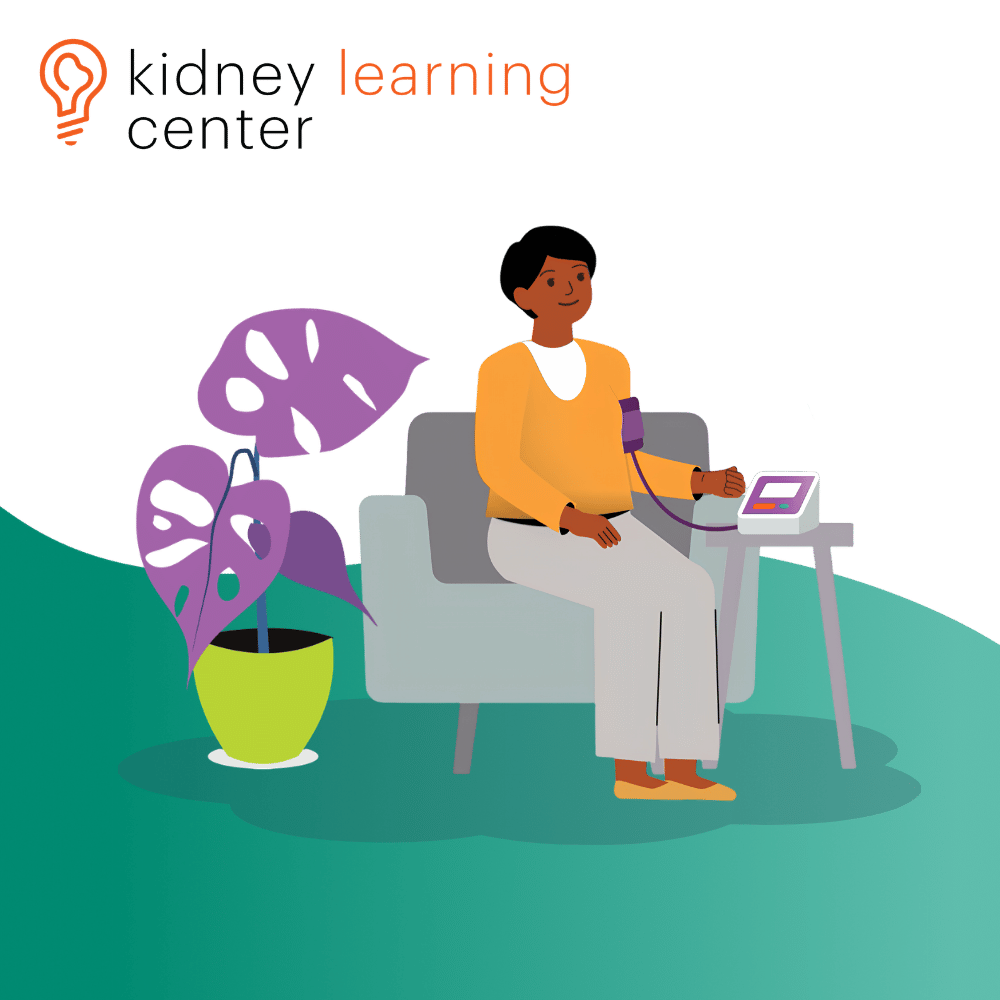
Checking your blood pressure is the only way to know if you have high blood pressure. To diagnose high blood pressure, your healthcare team will use an average of two or more readings. You may need readings from more than one visit. You may also be asked to check your blood pressure at home or wear a monitor that checks it during the day and night.
For a more accurate reading:
- Do not exercise, smoke, or have caffeine for at least 30 minutes before the check.
- Empty your bladder first.
- Sit quietly for five minutes.
- Keep your back supported and both feet flat on the floor.
- Place the cuff on your bare upper arm.
- Support your arm at heart level.
- Do not talk during the reading.
- Take at least two readings, about one minute apart.
Use an upper arm monitor proven to be accurate (also known as a “validated” monitor) and a cuff that fits your arm. Wrist, finger, smartwatch, and other cuff-free devices may not be accurate enough to guide treatment.
Other tests
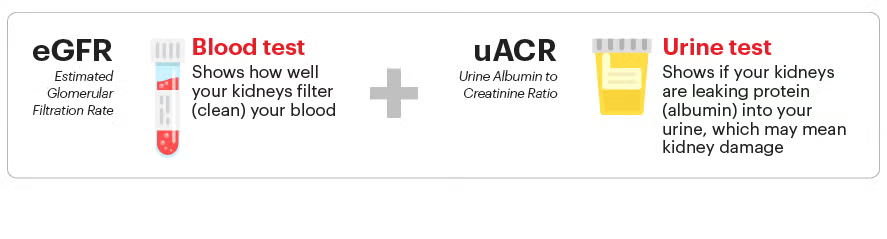
Two tests are especially important for people with high blood pressure to check your kidney health:
- a blood test known as the estimated glomerular filtration rate (eGFR)
- a urine test known as the urine albumin-creatinine ratio (uACR)
Your healthcare team may also order:
- Blood tests for sodium, potassium, calcium, blood glucose (sugar), A1C, cholesterol, and thyroid function
- A urine test for blood or other changes
- An electrocardiogram (EKG) to check your heart health
Extra tests may be needed if your blood pressure is very high, starts suddenly, or is hard to control. These may include hormone tests, a sleep study, or an ultrasound or other image of your kidneys and kidney arteries. Imaging is not needed for every person with high blood pressure.
Treatment
Blood pressure goals
Your healthcare team can help you understand the blood pressure goal that is right for you. Your ideal goal is based on your health, kidney function, medicines, age, and risk of side effects.
For most adults with high blood pressure, including people living with kidney disease, the usual treatment goal is below 130/80. But everyone’s situation is different. Some people may benefit from a lower goal, especially if there is a high risk for health problems. Others may benefit from a more relaxed goal, especially those at high risk of falls, dizziness, weakness, or other serious health concerns.
Do not change your medicines based on one reading or try to reach a lower goal without speaking with your healthcare team.
Medications
Many people need both healthy daily habits and medicine to control their blood pressure. People with CKD are usually advised to start medicine when their average blood pressure is 130/80 or higher.
Common first-choice medicines include:
- ACE inhibitors or ARBs – lower the pressure in your kidneys and throughout your body
- Calcium channel blockers – these help dilate (open) the blood vessels throughout your body
- Diuretics, also called "water pills" – these help your body get rid of extra water
People with stage 2 high blood pressure (a blood pressure over 140/90) often need two medicines to reach their goal. A pill that combines two medicines may make the treatment plan easier to follow.
Nutrition
Eating less sodium (salt) can help lower blood pressure and reduce the amount of fluid (water) your body holds. People with CKD are often advised to have less than 2300 mg of sodium each day. Your personal goal may be different.
Ways to cut back on sodium include:
- Choose fresh foods more often.
- Limit packaged, canned, frozen, and fast foods.
- Compare food labels and choose items with less sodium.
- Rinse canned vegetables, beans, meat, or fish.
- Flavor food with herbs, spices, lemon, or vinegar instead of salt.
- Ask for sauces and dressings on the side.
A heart-healthy eating plan includes vegetables, fruits, whole grains, beans, nuts, fish, and other less-processed foods. However, some people with CKD need to limit potassium, phosphorus, protein, or fluids. Your needs depend on your kidney function, blood test results, medications, and other health conditions.
Do not use a potassium-based salt substitute unless your healthcare team says it is safe. ACE inhibitors/ARBs, nsMRAs, and some other medicines can raise potassium, especially in people with CKD.
A kidney dietitian can help you make an eating plan that supports your blood pressure while meeting your kidney needs.
Exercise
Regular movement can help lower blood pressure, improve sleep, strengthen your heart, and support a healthy weight. Most adults with CKD should aim for at least 150 minutes of moderate activity each week, if it is safe for them. Moderate activity makes your heart beat faster but still allows you to talk. Examples include brisk walking, biking, swimming, and dancing.
You can break activity into smaller amounts. For example, you could walk for 10 or 15 minutes several times during the day. Start slowly if you have not been active. Strength activities may also be helpful if your healthcare team says they are safe.
Your activity plan may need to be changed if you have trouble with balance, frequent falls, heart disease, severe anemia, or other health concerns. Stop exercising and seek help if you have chest pain, fainting, or severe trouble breathing.
Preparing for your appointment
Questions to ask
- What blood pressure goal is right for me?
- Should I check my blood pressure at home? If so, how often should I check my blood pressure?
- What should I do if a home reading is very high or very low?
- Have I had both an eGFR blood test and a uACR urine test in the past year?
- Could any of my medicines or supplements raise my blood pressure or harm my kidneys?
- Is it possible that sleep apnea, a hormone problem, or another condition is causing my high blood pressure?
- Can you refer me to a kidney dietitian?
Kidney health information, support, and professional resources
Learn more about kidney health
Explore more information and resources about kidney health.
- High Blood Pressure and Chronic Kidney Disease (CKD)
- Home Blood Pressure Monitoring Checklist
- If You Need to Limit Sodium
- NKF Nutrition Hub
- NKF Medicines and Kidney Health Hub
More education and information from NKF
Connect with NKF for answers, support, and free learning programs.
Resources for healthcare professionals
Explore education, clinical tools, and practical resources to support kidney care and help you stay current in your practice.