September 08, 2026
Article By: Dr. Mariselis Rosa-Sanchez

When we talk about childhood obesity, the conversation is about much more than weight. It is also about health, family, food access, culture, and the environments where children grow up.
For Hispanic and Latino families, food can be an especially important part of family life and cultural traditions. So how can families make healthier choices without giving up the foods and flavors they love?
Dr. Mariselis Rosa-Sanchez, a pediatric nephrologist and chef, is here to answer that question and more.
Table of Contents
- Why is it important to have a broader conversation about childhood obesity?
- Why is it especially important to talk about obesity and nutrition in Hispanic and Latino communities?
- What do you wish more people understood about the connection between obesity and kidney health?
- Food is such an important part of Latino culture and family life. How can families make healthier choices while still enjoying traditional foods?
- Are there misconceptions about Latino foods that you'd like to clear up?
- What are some simple ways to make traditional dishes more nutritious without losing their flavor?
- As a pediatric nephrologist, what do you wish more parents understood about childhood obesity?
- How does family influence the way we eat?
- Do cost, food access, and availability play a role in nutrition challenges?
- If someone wants to improve their eating habits but doesn't know where to start, what would you recommend?
- What are some easy food swaps that can make a meaningful difference?
- How can families approach healthy eating without getting caught up in restrictive diets or “good” versus “bad” foods?
- How has being a chef influenced the way you think about nutrition and health?
- What else would you like families to know?
Why is it important to have a broader conversation about childhood obesity?
Childhood obesity is a complex chronic disease that is not simply about weight.
Many factors can affect a child’s health, including:
- Genetics
- Family circumstances
- Access to healthy foods
- Physical activity
- Other social and structural factors
Obesity is associated with health conditions such as high blood pressure, abnormal cholesterol, type 2 diabetes, and sleep apnea. It can increase the risk of kidney and heart disease, too.
That’s why conversations about obesity should look at the whole child. This includes their physical health, quality of life, nutrition, mental health, family circumstances, and any barriers that may make healthy choices more difficult.
The conversation should also extend beyond the doctor’s office. Schools, communities, and families all have a role to play. Most importantly, these conversations should be respectful and free of stigma. Family-centered care should support both a child’s physical and mental health.
Why is it especially important to talk about obesity and nutrition in Hispanic and Latino communities?
Obesity affects Hispanic and Latino children at high rates. According to the U.S. Preventive Services Task Force, about 26% of Hispanic and Latino children ages 2 to 19 have obesity.
Food access plays a role in this–research found higher rates of food insecurity among Hispanic children compared with non-Hispanic White children. Food insecurity means that a family may not always have reliable access to enough affordable, nutritious food.
These challenges are important to recognize when we talk about healthy eating. Families may face barriers related to cost, transportation, where they live, or the availability of healthy foods. We need to understand those circumstances rather than simply telling families to “eat healthier.”
What do you wish more people understood about the connection between obesity and kidney health?
Obesity can affect kidney health in several ways. It can increase the risk of high blood pressure and type 2 diabetes, which are two of the leading causes of chronic kidney disease.
The effects can begin early in life. Obesity can put additional stress on the kidneys and contribute to changes such as increased pressure within the kidney’s filtering units, insulin resistance, inflammation, and problems with how the body handles sodium and fluids.
Because kidney disease can develop silently, it is important to pay attention to risk factors early in life.
Take a minute for your kidneys to learn your risk of developing CKD.
Join the NKF Blog Newsletter
Get Support, Delivered Monthly
Get monthly inspirational stories, practical insights, and expert advice to manage your kidney health at any stage.
Food is such an important part of Latino culture and family life. How can families make healthier choices while still enjoying traditional foods?
Healthy eating does not have to mean giving up cultural foods.
Food is connected to our families, traditions, celebrations, and memories. Restricting foods or labeling them as “bad” can create unnecessary stress. Instead, families can keep their traditional foods and flavors while making small changes to improve the nutritional balance of a meal.
Pediatricians and dietitians can help families understand portion sizes, nutrition labels, sodium, and protein needs based on age and individual health needs.
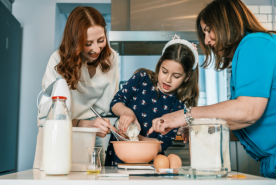
Cooking traditional foods at home can also give families more control over ingredients and preparation methods. Try incorporating more whole foods, fruits, vegetables, beans, and other plant-based foods while limiting highly processed foods.
The goal is not perfection. It is finding a healthy balance that works for the whole family.
Are there misconceptions about Latino foods that you'd like to clear up?
One misconception is that Latino food is inherently unhealthy. That is not true.
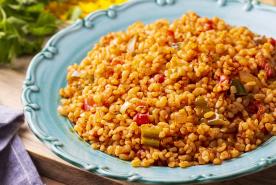
Many traditional Latino foods can be nutrient-dense and fit into a healthy eating pattern. Often, it comes down to how a food is prepared and how much is eaten.
For example, if a traditional dish is typically deep-fried, you might try baking, roasting, sautéing, or air-frying it instead. These small changes can reduce the amount of saturated fat while keeping the flavors people love.
Healthy eating does not require giving up traditional foods. It is about finding ways to make them work for your health.
What are some simple ways to make traditional dishes more nutritious without losing their flavor?
Small changes can make a meaningful difference.
Families can:
- Cook traditional foods at home more often.
- Add fruits, vegetables, beans, nuts, seeds, and other whole foods for more fiber and nutrients.
- Use herbs, spices, garlic, chiles, lemon juice, or vinegar to add flavor instead of relying heavily on salt.
- Swap some animal proteins for plant-based options such as beans, lentils, chickpeas, tofu, tempeh, or peas.
- Choose leaner proteins, such as fish and chicken, more often.
- Reduce added sugars and use naturally sweet foods, such as fruit, when appropriate.
- Bake, roast, sauté, or air-fry foods instead of deep-frying them.
These changes don't have to happen all at once. Pick one or two to start and build from there.
As a pediatric nephrologist, what do you wish more parents understood about childhood obesity?
I wish more parents understood the importance of early evaluation and treatment.
Obesity can be associated with high blood pressure and kidney injury, and these problems may not cause obvious symptoms. A child's health care provider can monitor blood pressure and assess their overall health. When appropriate, a pediatric nephrologist can evaluate kidney function and check for protein in the urine.
Early identification and treatment of kidney and cardiovascular risk factors can help protect long-term health.
How does family influence the way we eat?
Family plays a very important role. Children often learn their habits by watching the adults around them.
Parents and caregivers can model healthy behaviors by making nutritious foods part of family meals, being physically active together, getting enough sleep, and limiting screen time.
It can also help to make healthy choices easier at home by keeping nutritious foods available and involving children in meal planning and cooking.
The goal is for healthy habits to become something the entire family practices—not something a child feels they have to do alone.
Do cost, food access, and availability play a role in nutrition challenges?
Absolutely. Food insecurity is associated with an increased risk of obesity and can also affect kidney health.
The cost of food, transportation, where a family lives, work schedules, and the availability of healthy foods can all affect what a family can eat.
Health care providers should consider these challenges when working with families. Pediatricians, dietitians, and community organizations can help connect families with local resources that may provide food, transportation, or other support.
Healthy eating advice needs to be realistic and take a family's circumstances into account.
If someone wants to improve their eating habits but doesn't know where to start, what would you recommend?
Start small.
A child's primary care provider can help connect the family with a team that may include a dietitian and, when appropriate, specialists such as an endocrinologist, cardiologist, nephrologist, or psychologist.
Families can also try a few simple steps at home:
- Plan meals for the week.
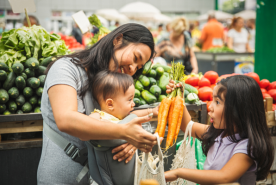
- Make a shopping list before going to the store.
- Compare prices and look for sales or coupons.
- Consider store-brand products when they are less expensive.
- Buy affordable staple foods in bulk when practical.
- Read the Nutrition Facts label and ingredient list.
- Pay attention to added sugars and sodium.
Focus on small, sustainable changes rather than trying to change everything at once.
What are some easy food swaps that can make a meaningful difference?
A few simple swaps can help families improve their eating habits without completely changing the way they eat.
Instead of: Sugar-sweetened beverages
Try: Water or unsweetened beverages.
Instead of: Highly processed packaged snacks
Try: Simple snacks made at home using foods you already have.
Instead of: Animal protein at every meal
Try: Beans, lentils, tofu, or other plant-based proteins some of the time.
The best swaps are the ones a family can realistically stick with.
How can families approach healthy eating without getting caught up in restrictive diets or “good” versus “bad” foods?
A dietitian can help families develop an eating pattern that meets their individual needs without unnecessary restrictions.
It is important to talk about food in a positive, nonjudgmental way. Families have different budgets, cultures, preferences, and access to food. A healthy meal does not have to be perfect.
Instead, focus on moderation, portions, balance, and making nutritious choices when possible.
The goal should be to help children develop a healthy relationship with food—not to make them feel guilty about what they eat.
How has being a chef influenced the way you think about nutrition and health?
Health starts in the kitchen.
As a chef, I think about more than how to make food taste good. I also think about how we can prepare food in ways that support our health.
Traditional cooking techniques often rely on ingredients such as salt, sugar, and saturated fat to add flavor. But we can create flavorful meals using herbs, spices, vegetables, garlic, chiles, citrus, and other ingredients.
My goal is to teach healthy, mindful cooking that can help prevent chronic diseases without sacrificing flavor or traditional recipes.
What else would you like families to know?
This is not something one person can do alone.
Pediatricians, dietitians, schools, communities, chefs, culinary schools, and public health organizations all have a role in creating healthier environments for families.
We need to make healthy choices more accessible and help families understand that eating well does not mean giving up their culture.
Healthy eating can include the foods we grew up with, the flavors we love, and the traditions we want to pass on.