January 21, 2026
On January 20, 2026, lawmakers released a final bipartisan FY2026 Labor, Health and Human Services (LHHS) appropriations bill as part of the Consolidated Appropriations Act, 2026. This bill has major victories for people with kidney disease, transplant patients, and living donors—proof that advocacy works when voices come together.
Here’s what this funding package means for the kidney community.
Table of Contents
- Historic Investment in Kidney Disease Research (NIDDK)
- More Support for Kidney Disease Prevention at the CDC
- Continued Modernization of the U.S. Transplant System
- A Major Win for Living Kidney Donors: The HOLD Act
- Expanded Support Through the Living Donor Reimbursement Program
- What These Wins Mean for the Kidney Community
- Your Advocacy Made This Possible
Historic Investment in Kidney Disease Research (NIDDK)
The agreement includes $2.3 billion in funding for the National Institute of Diabetes and Digestive and Kidney Diseases (NIDDK)—the primary NIH institute responsible for kidney disease research.
This funding supports everything from basic science to clinical trials, helping move us closer to better treatments and earlier diagnosis.
More Support for Kidney Disease Prevention at the CDC
The bill provides $983.8 million for CDC chronic disease prevention programs, including $4.5 million for the CDC’s Chronic Kidney Disease (CKD) Initiative.
These programs focus on:
- Promoting kidney health
- Improving early detection
- Preventing disease progression
Continued Modernization of the U.S. Transplant System
The bill includes a $5 million funding increase for the Organ Procurement and Transplantation Network (OPTN) and new provisions that allow HRSA to collect registration fees from OPTN members for each transplant candidate added to the waitlist.
This continues strong bipartisan support for long-overdue transplant system reforms, including:
- Ending the decades-old single-vendor monopoly
- Introducing multi-vendor contracts for specialized expertise
- Establishing an independent OPTN Board of Directors
- Modernizing IT systems and improving transparency
- Reducing wait times for the nearly 90,000 Americans waiting for a kidney transplant
These changes are designed to create a transplant system that works better and more fairly for patients.
A Major Win for Living Kidney Donors: The HOLD Act
This bill includes the Honor Our Living Donors (HOLD) Act, a huge step forward for donor equity.
The HOLD Act eliminates consideration of a transplant recipient’s income when determining whether a living donor qualifies for reimbursement—removing an unnecessary financial barrier that has prevented many people from donating.
Expanded Support Through the Living Donor Reimbursement Program
The bill also includes a $1 million funding increase for the National Living Donor Assistance Center (NLDAC).
Combined with the passage of the HOLD Act, this funding will allow NLDAC to support significantly more living donors, helping cover travel, lodging, and other donation-related expenses.
What These Wins Mean for the Kidney Community
These investments represent a strong federal commitment to:
- Advancing kidney disease research
- Improving early detection and prevention
- Modernizing the transplant system
- Removing financial barriers for living donors
- Increasing transparency and accountability in organ transplantation
The House of Representatives and Senate must still vote on this legislative package before it goes to the President’s desk. We’ll continue to share updates as the bill moves forward.
See all the ways you can advocate for better kidney policy with NKF today.
Your Advocacy Made This Possible
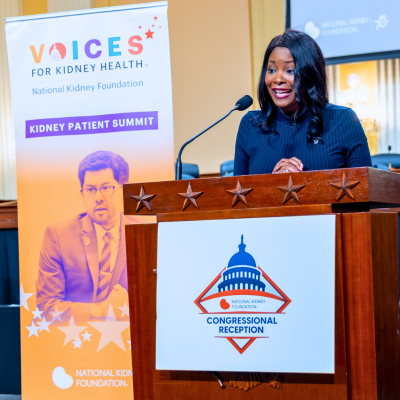
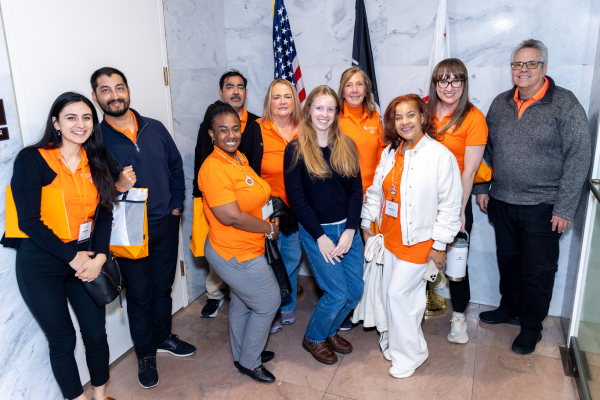
These victories didn’t happen by accident. They happened because patients, caregivers, donors, and advocates spoke up.
Thank you for being champions for the kidney community. Your voices are shaping policy and creating real change.
Raise your voice. Become a kidney advocate today.