January 08, 2026

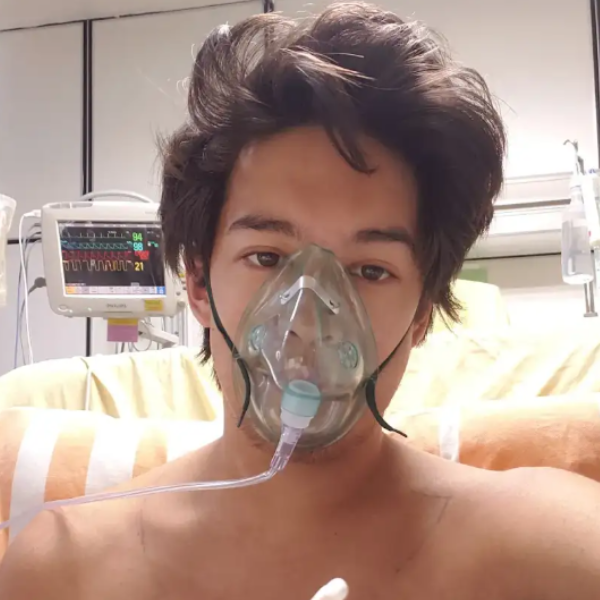
After graduating from college with a degree in physics, Justin Ballew planned to teach abroad. A new adventure was waiting in Taiwan. He didn’t expect his kidneys to fail just days after arriving.
Facing Kidney Failure in a Foreign Country
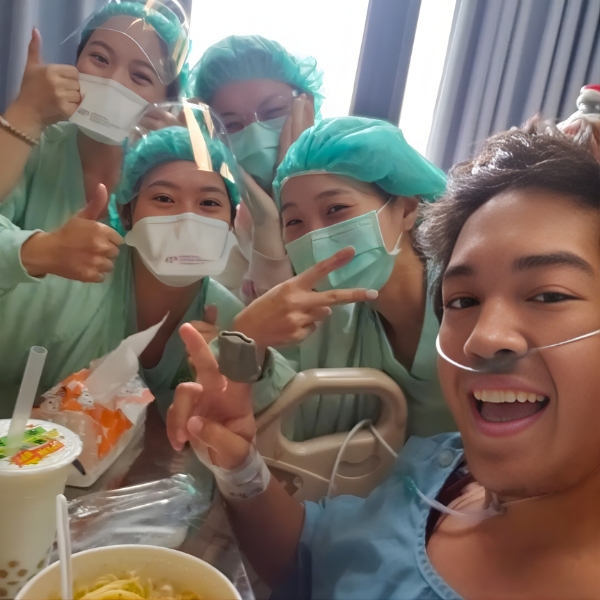
Justin arrived in Taiwan in May 2022. Leading up to the trip, he felt sick but chalked it up to stress.
“I was fatigued, couldn’t sleep, got winded quickly, and started swelling up,” he said. “I figured being tired and not eating well was just part of adjusting to living abroad.”
But things got worse just days into his trip.
“I started coughing up blood,” Justin said. “I couldn’t ignore that.”
With that, his school coordinator rushed him to the hospital.
“Due to COVID-19 restrictions, I was triaged in tents outside before being admitted to the hospital,” Justin said. “Everything moved quickly once I was cleared of COVID-19.”
Receiving Emergency Dialysis
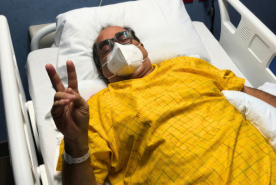
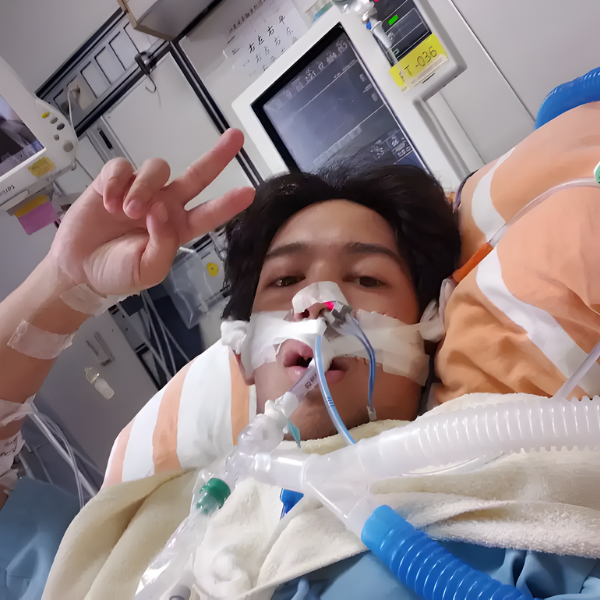
Justin was in kidney failure. Doctors inserted a femoral (groin) catheter to start emergency dialysis immediately.
“I fell into a coma for several days shortly after,” Justin said. “I know my parents were terrified, but they worked with my coordinator to form a plan to get me home.”
When Justin woke in the ICU, he was restrained to the bed for safety. He felt disoriented in a country where he barely spoke the language.
“I felt like an alien,” he said. “People were helping me, and I knew I was in good hands—but mentally, it was intense.”
Justin spent a month in the hospital, including two weeks in the ICU, before he was stable enough to return home.
Adjusting to Life with Kidney Failure
Back in the U.S., Justin spent another week in the hospital learning to navigate dialysis and life with kidney failure.
“At first, I thought dialysis was a quick fix–like charging a battery,” said Justin. “My healthcare team helped me realize that kidney failure or end-stage renal disease is permanent. Even a transplant isn’t the end of it.”
But as Justin waited for placement at a regular dialysis clinic, the reality set in.
“I had to rely on emergency dialysis in the ER three times a week,” Justin said. “The wait times were long, on top of the three hours of treatment.”
In July 2022, he finally got a seat at a local dialysis clinic.
“With a consistent schedule, I felt much more stable,” Justin said. “Mentally, I was still recovering, but I finally felt more grounded.”
Watch videos made by patients to learn about treatments for kidney failure.
Join the NKF Blog Newsletter
Get Support, Delivered Monthly
Get monthly inspirational stories, practical insights, and expert advice to manage your kidney health at any stage.
Sharing His Story

One of the ways Justin coped with his kidney failure was by returning to school for a Master’s in Public Health.
“It focused my mind,” he said. “It gave me an appreciation for healthcare professionals and the public health system. It helped me feel like I was contributing to the kidney community in some way.”
He also began sharing his journey on social media.
“I’m @kidnewkidney on TikTok. I didn’t intend on becoming a kidney health influencer,” he said. “But I love to teach. It felt natural.”
By combining personal experience with reliable health information, Justin helps over 42 thousand followers understand what life with kidney failure and dialysis can look like.
An Alport Syndrome Diagnosis
Two and a half years after his hospitalization, genetic testing revealed the cause of Justin’s kidney failure—Alport syndrome.
“It was nice to have an explanation finally,” he said. “My life changed forever. Now I know why.”
Alport syndrome is a genetic condition that damages the tiny filters (glomeruli) in the kidneys. It can lead to kidney failure and may also affect hearing and vision.
Symptoms often start early in life and include:
- Blood or protein in the urine
- High blood pressure
- Swelling in the legs, feet, or around the eyes.
While there’s no cure, there are ways to help slow damage, including medications, diet changes, and careful monitoring.
The Life-Changing Kidney Transplant Call

The call came three years after Justin’s kidneys failed, on a seemingly ordinary Tuesday in April 2025.
“I was grocery shopping with my mom when I learned there was a deceased donor kidney with a great KDPI available for me,” Justin said. “It was surreal.”
After putting the groceries back, Justin’s mom rushed him to the hospital. Within four hours, he was in the operating room.
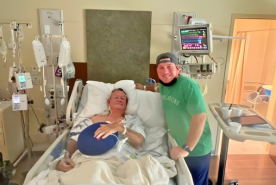
“The transplant surgery went well,” Justin said. “I spent a few days recovering in the hospital and then went home.”
Today, Justin feels “amazing” and grateful for his transplant.
“I feel all the ways I hoped I would after transplant,” he said. “I’m mentally present for the first time in years.”
That doesn’t mean that recovery didn’t have its own challenges.
“The first month was tough. I had some pain and no energy. I’ll also always need to monitor my kidney health and take anti-rejection medications,” Justin said. “But the joy of having a functioning kidney far outweighs these challenges.”
Advice for Those Awaiting a Kidney Transplant

Justin’s message for people waiting for a kidney transplant is clear: you’re not just waiting—you’re preparing.
“You’re showing up for dialysis, following your diet, taking your medications, and keeping appointments,” he said. “By getting through each day, you’re earning your spot on the transplant list and moving closer to that kidney.”
Above all, Justin wants everyone facing kidney disease to hold onto hope:
“No matter what stage you’re at—dialysis, transplant, or even a second transplant—keep doing your part. Even if your situation feels impossible, keep living your life. You’re doing enough. You’re a walking miracle, and that deserves to be celebrated.”
And remember, you don’t have to go through kidney disease alone.
Get support through:
- NKF Peers: Get one-on-one support from a qualified NKF Peer mentor who has lived well with kidney disease.
- NKF Communities: Join one of NKF’s online groups to anonymously ask questions and get answers from others dealing with kidney disease.
- NKF Cares: Call our toll-free number at 855.653.2273 to get help from a trained specialist.