December 04, 2025
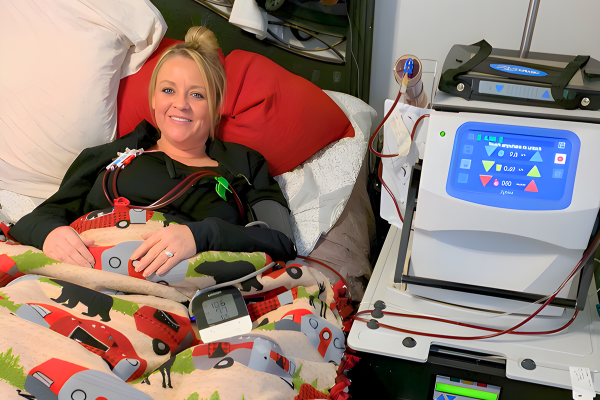
If you have kidney disease and need dialysis, you might be wondering if home dialysis is right for you. This Home Dialysis FAQ answers the most common questions patients and families ask.
Table of Contents
- 1. Am I a good candidate for home dialysis?
- 2. What’s the difference between home hemodialysis (HHD) and peritoneal dialysis (PD)?
- 3. Can I switch to home dialysis after starting in-center treatments?
- 4. How long does training for home dialysis take?
- 5. What equipment do I need for home dialysis?
- 6. Can I do home dialysis by myself, or will I need a care partner?
- 7. Is home dialysis safe?
- 8. What if something goes wrong during treatment?
- 9. Can I travel while on home dialysis?
- 10. Does insurance cover home dialysis?
- 11. How will home dialysis affect my daily routine?
- 12. What should I do in case of an emergency or power outage?
- 13. Can I have a pet on home dialysis?
- 14. Will my diet or fluid restrictions change?
- Home Dialysis Resources
1. Am I a good candidate for home dialysis?
Most people with kidney failure can do dialysis at home with proper training and support.
You may be a good candidate for home dialysis if:
- You’re willing to learn how to manage your treatments safely.
- You have enough space to store supplies and equipment.
- You can keep your treatment area clean and organized.
- You prefer more independence in your treatment schedule.
Home dialysis may be more challenging if you have certain abdominal surgeries or hernias, limited mobility or dexterity, or live in a space without reliable water or power. However, your care team can often help find solutions for many of these barriers.
Take NKF’s quick quiz to learn if home dialysis is right for you.
Uses a machine and a filter (called a dialyzer) to clean your blood, similar to what’s done in a dialysis center.
Uses your body’s natural lining (the peritoneum) to filter waste using a cleansing fluid that’s exchanged through a soft tube in your abdomen.
Your care team can help you choose based on your health, lifestyle, and personal preferences.
4. How long does training for home dialysis take?
Training typically takes four to six weeks.
During this time, you’ll learn how to:
- Set up your machine
- Handle supplies
- Monitor your blood pressure and weight,
- Respond to common issues.
Your dialysis team won’t allow you to perform home dialysis until you feel fully prepared.
5. What equipment do I need for home dialysis?
Your dialysis center or medical supplier will provide everything you need to do treatments at home. This includes the dialysis machine, tubing, dialysate (cleansing solution), and cleaning materials. The equipment will be delivered to your home. Professionals usually handle the installation and setup.
Because supplies often come in large boxes, you’ll need a clean, dry area for storage. Your dialysis team will help you plan where to store your supplies and how to organize your space.
Join the NKF Blog Newsletter
Get Support, Delivered Monthly
Get monthly inspirational stories, practical insights, and expert advice to manage your kidney health at any stage.
11. How will home dialysis affect my daily routine?
Home dialysis can offer more flexibility than in-center treatments, but the impact on your daily schedule depends on the type of dialysis you choose.
- PD: PD is usually done daily, either during the day (continuous ambulatory peritoneal dialysis) or overnight while you sleep (automated peritoneal dialysis). Many people find that PD fits easily into their routines because it can be done at home or on the go.
- HHD: HHD treatments are often longer than PD sessions unless you choose to do shorter sessions daily. You’ll need to dedicate time for setup, treatment, and cleanup, but many people appreciate the flexibility to schedule dialysis around work, school, or family life.
Both types of home dialysis can improve energy levels and provide more control over your lifestyle compared with in-center dialysis. Your care team will help you choose the schedule that works best for you.
12. What should I do in case of an emergency or power outage?
Your dialysis team will help you create an emergency plan that includes:
- What to do if you lose power or water
- Who to call for backup support
- Where to go if you need temporary in-center treatments
Keeping a small supply of extra dialysis materials and medications on hand is also recommended.
14. Will my diet or fluid restrictions change?
Even with home dialysis, you’ll still need to follow a kidney-friendly diet—but you may have a bit more flexibility than with in-center dialysis. How much your diet and fluid limits change depends on the type of home dialysis you do.
- PD: Doing PD often means you can enjoy a slightly more flexible diet, with fewer limits on potassium, phosphorus, and fluids. However, PD solutions contain sugar (dextrose), so your care team may ask you to watch your carbohydrate intake, especially if you have diabetes.
- HHD: Doing HHD more frequently than in-center treatments may mean you can drink a little more fluid and eat a wider variety of foods. You’ll still need to monitor sodium, phosphorus, and potassium.
Home Dialysis Resources
If you’re thinking about home dialysis or already doing it, you don’t have to go through it alone. National Kidney Foundation (NKF) is here to help you connect, learn, and find support:
- NKF Cares: Call our toll-free number at 855.653.2273 for personalized information and guidance from trained NKF specialists.
- NKF Peers: Match with someone who’s already lived well on dialysis for one-on-one support.
- NKF Communities: Anonymously join online discussions, ask questions, and share experiences with others who understand what you’re going through.