January 29, 2026

Transportation is a barrier for many people with end-stage kidney disease (ESKD) who depend on in-center hemodialysis. The EnROUTE Study shines a powerful spotlight on this issue.
The EnROUTE Study
Many people receiving in-center hemodialysis don’t have reliable transportation. The EnROUTE Study looked at 115,982 adults on in-center hemodialysis across the United States to see how this affects their care.
How Patient Voices Shaped the Study
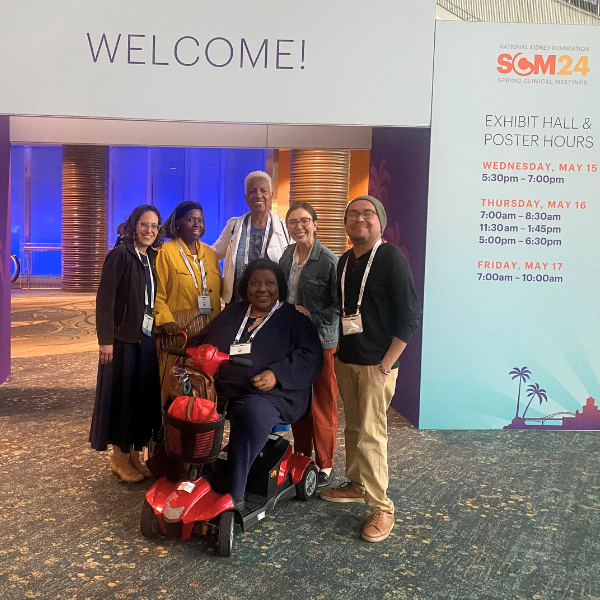
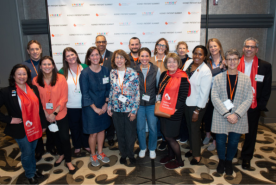
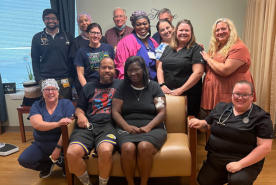
Researchers behind the EnROUTE Study wanted to make a real difference. To do that, they needed help from people with lived experiences. That’s why they created a Community Advisory Board (CAB) made up of patients and care partners.
CAB members helped researchers:
- Recruit patients into the study
- Create interview guides and survey questions
- Interpret findings and make recommendations
Daniel's Story
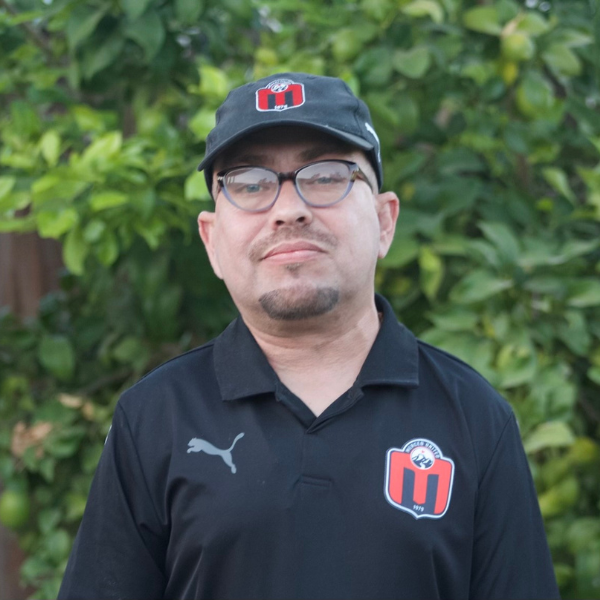
Daniel Jovan Pulido was born with kidney issues that led to him needing dialysis by the age of 8. He received a kidney transplant shortly after, which failed within six months.
"I received my next transplant when I was 13. It lasted for 6 years before failing when I was 19."
Daniel was in college during this time. Balancing class with dialysis and transportation was a challenge.
"I wasn't driving at the time, so I relied on medical transport to pick me up from my community college. It was difficult coordinating my schedule around dialysis and transportation. It added a lot of stress."
In 2022, Daniel received his third transplant.
"This one feels different–more hopeful and lasting. Each experience has taught me resilience and given me new perspectives on life and health. I have a strong commitment to make the most of this chance."
Part of that includes sharing his transportation experiences with researchers.
"I joined EnROUTE because I want to be a part of the solution to a problem I faced. Participating feels like a way to give back to the community and make a meaningful impact on future patients."
It was such a rewarding experience that Daniel recommends others get involved with patient-centered research.
"It is the best way for patients to make their voices heard and to help shape improvements in care. Without these voices, solutions can sometimes miss the mark or fail to address the true needs of patients."
He also invites more researchers to include the patient voice in their research.
"Patients live with the day-to-day realities of these conditions and have valuable insights that can't be gained from textbooks or theories. Involving us in the research process helps create solutions that are practical and build trust."
Bertha's Story
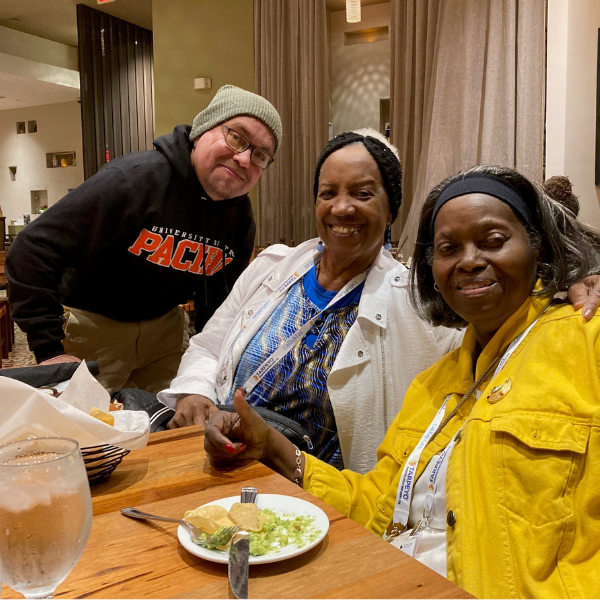
Bertha was diagnosed with kidney disease in 2008. She maintained her kidney function by following a strict kidney diet until 2020.
"I was very nervous about starting hemodialysis, so I got connected with an NKF Peer mentor," Bertha said. "Hearing how they coped with dialysis helped me."
Since then, Bertha has felt confident in her kidney journey in all areas except one–transportation.
"My dialysis center is 15 minutes down the road. Paratransit, a shared-ride service for people who can’t use public transportation, takes an hour to get there and is often late."
When Bertha arrives late, her dialysis sessions are cut short by at least 40 minutes.
"I have complained to paratransit and notified the social worker, who has also called to explain how serious the situation is. But nothing has changed."
Bertha knows that if this is happening to her, others are likely experiencing it as well.
"I joined CAB because we need to voice our frustrations proactively. I'm excited that our stories will be used to improve the community's experience with transportation.”
Iris's Story
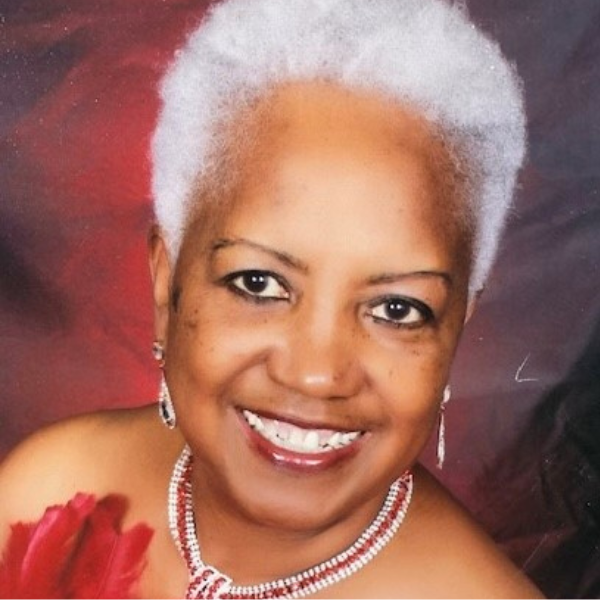
Iris, now in her 70s, first learned she had high blood pressure and kidney problems in her 50s. She tried to follow her doctor's instructions–exercising, eating better, drinking more water, and taking prescribed medication.
But Iris's kidney function kept declining.
"My doctor asked me to bring all my medications in. That’s when they found I had been given sleeping medication instead of high blood pressure medication. All this time, I thought I was controlling my blood pressure, but I wasn’t. The doctor told me I’d need dialysis soon. It was a shock."
Iris started training for peritoneal dialysis (PD).
"The clinic was great and really prepared me for treatment. I felt confident to do it myself. My transplant team also told me I needed to lose 30 pounds to qualify for a transplant."
With the help of a kidney dietitian, Iris met her weight goal and received a new kidney in 2014.
"I’m so thankful to the person who donated the kidney I received. I’m always looking for ways to give back."
Iris joined the EnROUTE study because she knows many people who struggle to get to doctor appointments.
"Transportation matters for dialysis patients. But it’s more than that–you need reliable transportation to get to grocery stores and appointments. More lives can and will be saved when transportation is no longer an issue. That's why I recommend others get involved in research."
Join the NKF Blog Newsletter
Get Support, Delivered Monthly
Get monthly inspirational stories, practical insights, and expert advice to manage your kidney health at any stage.
Study Findings
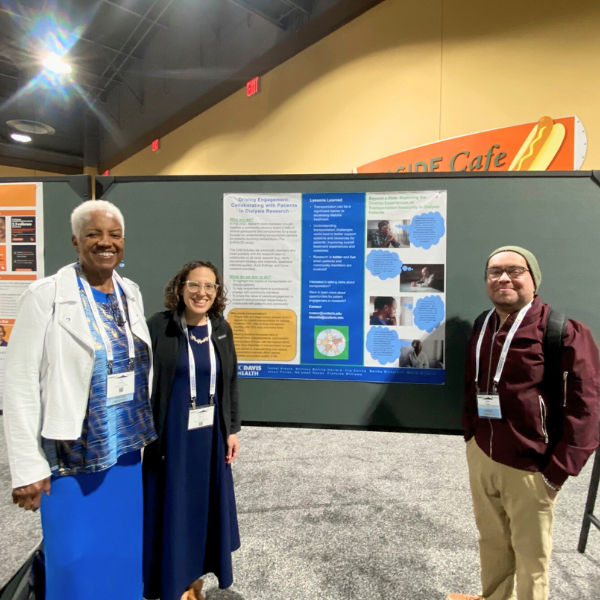
With the help of CAB members, the study found that 27% of patients didn’t have private transportation to dialysis. These patients relied on community or medical transport services. While these services are essential, they are often unreliable and can lead to missed appointments.
Patients without private transportation were more likely to:
- Miss scheduled dialysis treatments
- Experience worse overall health
- Die within one year of the study period
Struggling to get to dialysis? NKF Cares: Patient Information Help Line may be able to help.
Call toll-free at 855.653.2273 or message NKF Cares.
The Big Takeaway
The EnROUTE Study confirms that transportation can be a matter of life and death. But it also shows the path forward. By listening to patients, we can create practical solutions that improve dialysis access, reduce missed treatments, and save lives.
Sign up for Kidney Research Connect today to connect with research studies waiting for your insights.