December 16, 2025
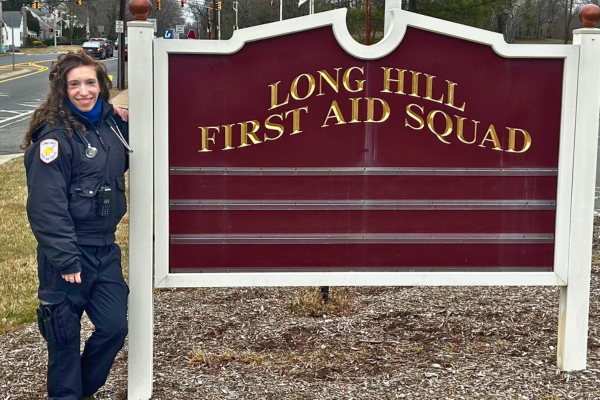
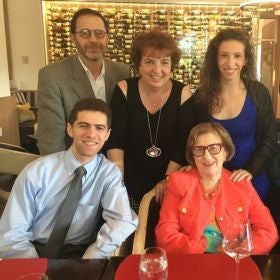
Andrea Samson has lived with a rare kidney disease since childhood. But her family has never stopped fighting beside her.
A Lifelong Fight with IC-MPGN
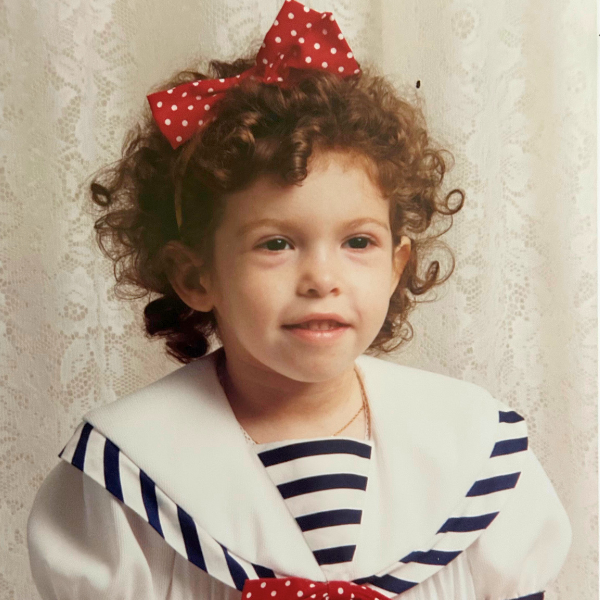
Andrea’s parents first noticed something was wrong with her health when she was just three years old.
“Her belly was swollen,” her mother, Juliette, said. “We took her to her primary care pediatrician and learned her blood pressure had skyrocketed to dangerous levels.”
They took Andrea to a different hospital, where doctors diagnosed her with IC-MPGN, an immune issue that causes kidney disease.
IC-MPGN, or immune complex–mediated membranoproliferative glomerulonephritis, is a rare disease where the immune system attacks the kidneys. It can cause swelling, protein (blood) in the urine, and high blood pressure.
Andrea spent weeks in the hospital, intubated and fighting for her life.
“She was in terrible condition and almost passed away,” Juliette said. “When things finally settled, managing her blood pressure became the biggest struggle.”
High blood pressure and kidney disease can create a harmful cycle. High blood pressure harms the tiny blood vessels in the kidneys, making it harder for them to clean the blood. As kidneys get weaker, they can’t help control blood pressure as well. This causes blood pressure to rise even more, which leads to more kidney damage.
“That was a very, very difficult time,” Juliette said. “I can’t even describe how hard it was. But as a mother, you do what you have to do for your child.”
By age 14, in 2009, Andrea’s kidneys failed. Her father immediately began the living donor evaluation process.
Learn more about kidney disease in children and adolescents.
Join the NKF Blog Newsletter
Get Support, Delivered Monthly
Get monthly inspirational stories, practical insights, and expert advice to manage your kidney health at any stage.
Two Kidney Transplants

In 2009, Andrea’s father learned he was approved to donate. The healthcare team quickly scheduled the surgery, which went well for both of them.
“We decided he’d donate first,” Juliette said. “After surgery, Andrea’s energy returned. Her blood pressure normalized. She went from barely getting out of bed to running around like a normal child. It was incredible.”
But after six years, one of Andrea’s anti-rejection medications, which is also nephrotoxic, caused her transplanted kidney to fail.
Juliette was next to get tested to become her daughter’s donor. That’s when doctors discovered a tumor on one of her kidneys—one that might have gone unnoticed had she not gone through the evaluation.
“Andrea saved my life,” she said. “Becoming a donor means you go through a full medical workup. That process has saved lives, including mine. When you give, you also receive.”
Juliette didn’t stop there, though. She launched a campaign to help Andrea find another living donor. As a result, three altruistic donors stepped forward: an alumna from her college, a pediatric doctor in Boston, and a nurse from a nearby town.
“The transplant team chose the nurse,” Juliette said. “She wants to stay anonymous, but we have a great relationship with her. We’ll be forever grateful for her incredible gift.”
That kidney, paired with a new medication, lasted until June 2025, a decade later.
Watch videos made by living donors to learn more about kidney donation.
Strength in Her Roots
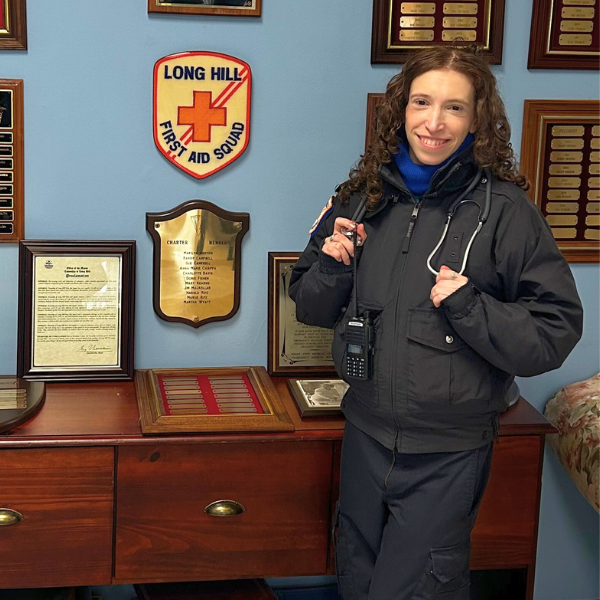
Now in her 30s, Andrea continues to live a full, meaningful life–despite the challenges that come with kidney failure.
Juliette believes this strength comes, in part, from their family’s history. Both sets of Andrea’s grandparents were Holocaust survivors who rebuilt their lives after unimaginable atrocities.
“They went through the Holocaust as teenagers,” Juliette said. “Then they emigrated from Romania to the United States, got educated, and built successful lives. Andrea saw that. It’s in her genes.”
That resilience showed up early.
“When she was three, and I was crying by her bedside, she said, ‘If you’re crying, you’re not helping me. So please don’t cry,” Juliette said. “She faces what comes her way and keeps looking forward.”
With that attitude, Andrea has achieved many of her dreams.
“She’s a certified EMT and has served for 11 years,” Juliette said. “She was recently promoted to second lieutenant in her squad. She dances, runs a tutoring business, is studying acupuncture, and dreams of becoming a doctor.”
Supporting a child with kidney disease can feel overwhelming. Get support from NKF’s online Parent community today.
Lessons Learned from a Care Partner
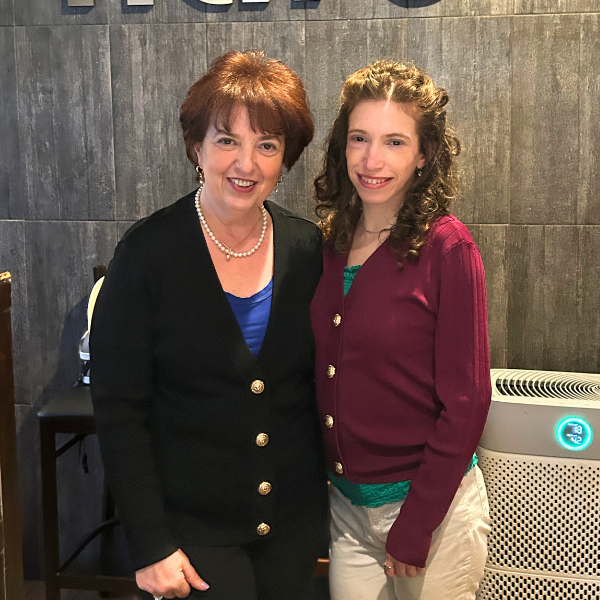
After helping Andrea through two transplants and now a third search, Juliette offers the following advice to other parents and care partners:
1. Stay on top of care.
“It’s important to manage medications carefully, eat properly, and understand what’s happening with your child’s health. Lead by example—learn alongside your child. The more you know, the more empowered you feel.”
2. Ask for help—and be specific.
“People want to help but don’t always know how. Be direct. Specific requests like, ‘Can you drive my child to practice?’ or ‘Can you help me set up this appointment?’ make it easier for others to step up.”
3. Build your village.
“Surround yourself with people who truly help. It takes a village to raise a child. I had people drive my other child to school and help in countless ways. The power of that community is incredible.”
4. Leave no stone unturned.
“We take every opportunity to share Andrea’s story—through her college, local news, podcasts, and more. Every time we share, someone new reaches out. You never know who might see it and feel moved to help.”
5. Invest in self-care.
“You can’t pour from an empty cup. Take time to rest, laugh, and recharge. It makes you stronger for the person you love.”
Hope for the Future
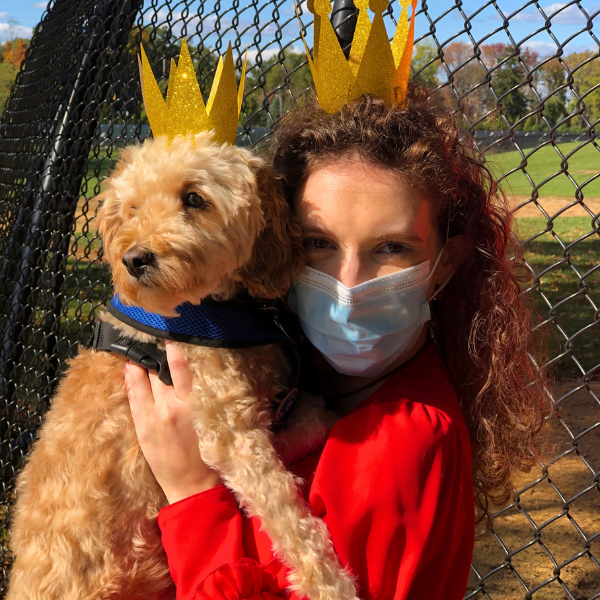
Now that Andrea’s second kidney has failed, her energy is limited. But her family steps in to help wherever they can.
“My husband provides hands-on support like cooking low-salt meals and walking the dog,” Juliette said. “I handle the logistics: insurance, advocacy, and searching for a living donor.”
This teamwork allows Andrea to focus on her studies, conserve energy, and protect her health. But they’re not alone in their mission.
“When Andrea first needed a donor, my friend, Andrei Spassibojko, built us a website on his server. Tim O’Sullivan built our more recent website—shareasparekidney.com,” Juliette said. “We’re very lucky to have people in our lives who want to help with nothing in return.”
The website shares Andrea’s story and educates people about kidney donation and living donation.
“Living donors don’t sacrifice their quality of life,” Juliette said. “And you don’t have to be a direct match anymore. Programs like the National Kidney Registry (NKR) make paired exchanges possible, connecting donors and recipients across the country.”
As more people learn about living donation, Juliette hopes they remember this:
“When you donate a kidney, you don’t just save one life. You’re saving someone’s entire world.”