Last updated: February 05, 2026
Medically reviewed by: NKF Patient Education Team
Learn about eGFR, how your kidneys filter waste, and why early detection of CKD is crucial for protecting kidney health.
Audio Brief of Estimated Glomerular Filtration Rate (eGFR)
This audio summary was created with AI, using the National Kidney Foundation content as the exclusive source. NKF clinical experts have reviewed it for accuracy.
About estimated glomerular rate (eGFR)
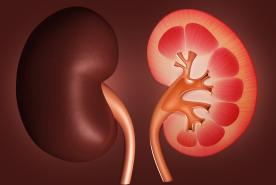
Your kidneys filter your blood by removing waste and extra water to make urine. The glomerular filtration rate (GFR) shows how well the kidneys are filtering. An estimated 37 million adults in the United States may have chronic kidney disease (CKD) but nearly 90% are unaware of their condition. When found early, people can take important steps to protect their kidneys.

Types of GFR Tests
Measuring and estimating GFR
Getting an accurate GFR is challenging because measured GFR (mGFR) is a long and complex process. Therefore, healthcare professionals use a formula to estimate GFR. CKD does not usually have any symptoms until the later stages of the disease. This is the reason why reliable estimates of GFR are so important for identifying CKD as early as possible.
The standard way to estimate GFR is with a simple blood test that measures your creatinine levels. Creatinine is a waste product that comes from the digestion of dietary protein and the breakdown of muscle . Aside from CKD, creatinine levels can be affected by other factors including diet, muscle size , malnutrition, and other chronic diseases.
Differences between eGFR and mGFR
| Estimated GFR (eGFR) | Measured GFR (mGFR) | |
| How it works | A calculation used to estimate how well your kidneys are filtering wastes produced by your body, such as:
| A measurement of how well your kidneys are filtering certain compounds not produced by your body, such as:
|
| Availability | Widely available | Not widely available |
| Cost | Less expensive | More expensive |
| Time to complete the test | Less time needed | More time consuming |
| Accuracy | Possible inaccurate estimates of GFR, especially in early stages of kidney disease (stages 1 and 2)* | Accurate measures of GFR, including early stages of kidney disease (stages 1 and 2) |
| Precision | Can miss early GFR changes, such as a rapid decrease in levels, which may be a sign of diabetic kidney disease | Can identify early GFR changes, such as a rapid decrease in levels, which may be a sign of diabetic kidney disease |
*Other factors that can affect eGFR include: pregnancy, being over the age of 70, unusual muscle mass, cirrhosis (a disease caused by scarring in the liver), nephrotic syndrome (a condition caused by having too much protein in your urine), a past solid organ transplant, and some medications.
Purpose
Why eGFR testing is done
Early-stage CKD doesn’t usually cause symptoms, but your doctor may recommend an eGFR test if you are at higher risk of developing the disease. CKD risk factors include:
Diabetes

High blood pressure

Overweight/obesity

Over the age of 60
Family history of CKD or kidney failure
Usually, developing CKD is not due to any single reason, but because of a combination of physical, environmental, and social and/or economic factors.
Later stage CKD does cause symptoms. So you may need an eGFR test if you have any of the following symptoms:
- Urinating more often or less often than usual
- Itching
- Feeling tired
- Swelling in your arms, legs, or feet
- Muscle cramps
- Nausea and vomiting
- Loss of appetite


Results
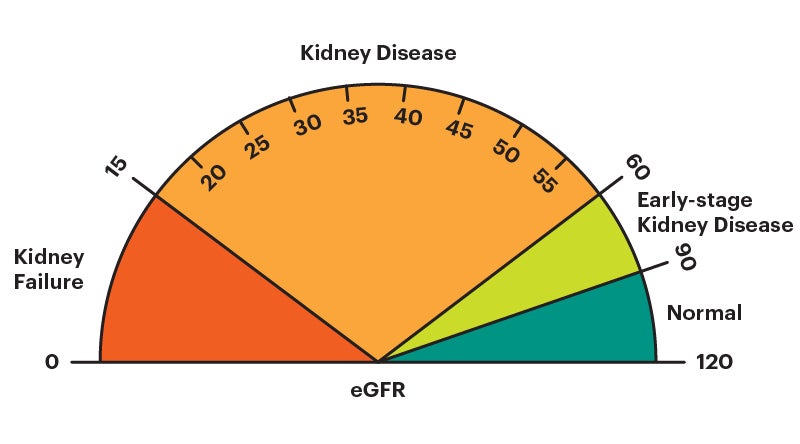
- eGFR of 90 or higher is in the normal range
- eGFR of 60 -89 may mean early-stage kidney disease
- eGFR of 15 -59 may mean kidney disease
- eGFR below 15 may mean kidney failure
What is a normal eGFR number?
In adults, the normal eGFR number is usually more than 90. eGFR declines with age, even in people without kidney disease. See chart below for average estimated eGFR based on age.
| Age (years) | Average eGFR |
| 20–29 | 116 |
| 30–39 | 107 |
| 40–49 | 99 |
| 50–59 | 93 |
| 60–69 | 85 |
| 70+ | 75 |
Understanding your results
There are five stages of kidney disease. Your healthcare professional determines your stage of kidney disease based on your level of kidney function shown by your eGFR or mGFR. Now that you know your eGFR, find out your kidney disease stage using the table below.
What are the stages of chronic kidney disease (CKD)?
| Stage | Description | eGFR | Kidney Function |
| 1 | Possible kidney damage (e.g., protein in the urine) with normal kidney function | 90 or above |  |
| 2 | Kidney damage with mild loss of kidney function | 60-89 |  |
| 3a | Mild to moderate loss of kidney function | 45-59 |  |
| 3b | Moderate to severe loss of kidney function | 30-44 |  |
| 4 | Severe loss of kidney function | 15-29 |  |
| 5 | Kidney failure | Less than 15 |  |
What to do next
If you have any of the CKD risk factors listed above, ask your healthcare professional to order an eGFR lab test.
Questions for your healthcare team
Now that you know your eGFR and your stage of kidney disease, use this table to find questions to ask your healthcare professional at your appointments.
| If your kidney disease is in stage… | Ask your healthcare professional if you should… | |||||
| 1 | 2 | 3a | 3b | 4 | 5 | |
| ✔ | ✔ | ✔ | ✔ | ✔ | ✔ | Test your urine for albumin to have a complete picture of your overall kidney health |
| ✔ | ✔ | ✔ | ✔ | ✔ | ✔ | Repeat your eGFR test in 3 months to check if your eGFR remains lower than 90 |
| ✔ | ✔ | ✔ | ✔ | ✔ | ✔ | Take medication that may help slow progression of kidney disease (such as ACE inhibitors, ARBs, SGLT2 inhibitors, or nonsteroidal mineralocorticoid receptor antagonists) |
| ✔ | ✔ | ✔ | ✔ | ✔ | ✔ | Adjust any current medications due to reduced kidney function |
| ✔ | ✔ | ✔ | ✔ | ✔ | ✔ | Get nutritional and dietary counseling to help support kidney function and overall health |
| ✔ | ✔ | ✔ | ✔ | ✔ | ✔ | Start seeing a kidney specialist (nephrologist) |
| ✔ | ✔ | ✔ | ✔ | ✔ | ✔ | Learn more about end-stage kidney disease and treatment options |
| ✔ | ✔ | ✔ | ✔ | ✔ | ✔ | Be evaluated for a kidney transplant and be placed on a kidney transplant list |
Preparing for your appointment
An eGFR test result can raise questions. It helps to be prepared before you see your doctor.
Bring a list of all medicines you take. Include prescription drugs, over the counter medicines, vitamins, and herbal supplements. Some medicines can affect your kidneys or change your test results.
If you have copies of past lab results, bring them with you. Looking at trends over time is often more helpful than looking at one number.
Write down any symptoms you have noticed, even if they seem small. For example:
- Swelling in your feet or hands
- Feeling more tired than usual
- Changes in how often you urinate
- Foamy urine
You may also want to bring a family member or friend. They can help listen, take notes, and support you.
Before your visit, think about your health goals. For example, you may want to better control your blood pressure, manage diabetes, or understand how to slow kidney damage.