February 17, 2026
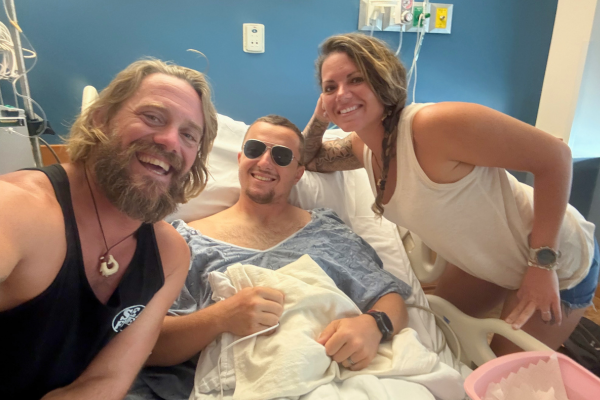
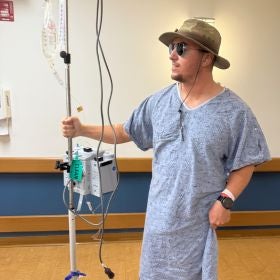
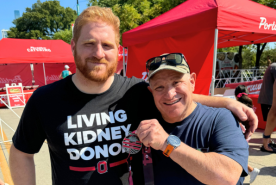
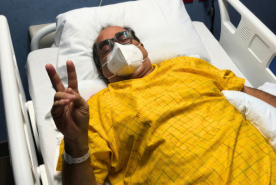
As a scuba diving instructor, Cuda Kolor knows a thing or two about risk. That’s why it was so easy for him to donate a kidney to a stranger when he was just 25. In late 2024, he traded his wetsuit for a hospital gown, giving his kidney to a child he’d never met.
“I Couldn’t Justify Not Donating”
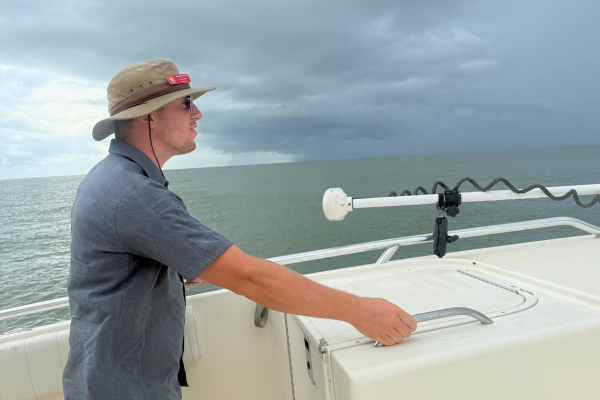
When 25-year-old scuba diving instructor, Cuda, decided to donate, it wasn’t driven by a dramatic moment or a spiritual calling. For him, it was logical.
“In 2020, I learned about altruistic (donating to a stranger) living kidney donation from a TV medical drama,” he said. “I was interested and did more research.”
Cuda was shocked to learn that it is generally very safe for a healthy person to donate. The more he read about donor protections and recovery, the more he felt called to donate.
“I couldn’t justify not donating,” Kuda said. “Personally, the pros heavily outweighed any possible cons.”
He nearly donated, but the timing wasn’t right. In January 2025, he restarted the process and was quickly deemed a good donor candidate.
Talking to Family and Getting Support
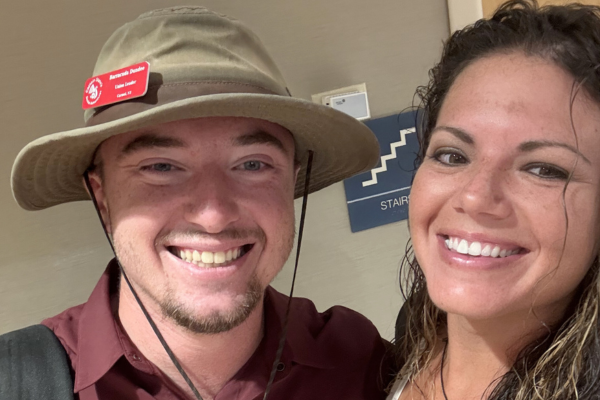
Before agreeing, Cuda asked his wife, a family member, and three close friends what they thought. All were supportive.
“I’m usually in the ocean, petting sharks,” he said. “This isn’t even close to the wildest thing I’ve done.”
Still, Cuda and his wife talked through the risks and benefits of living kidney donation.
“The kidney donor evaluation is thorough. I had extensive medical and mental health screenings to make sure it was safe for me to donate. They went over possible side effects from depression to short-term pain after the surgery,” Kuda said. “I really appreciated that.”
To someone used to exploring shipwrecks on the ocean floor, the transplant surgery seemed easy.
“I take more risks scuba diving every day at work,” Cuda said. “For me, this was almost like taking a break. I was all in.”
Then he learned a nine-year-old child would get his kidney.
“I would have donated to anyone,” Cuda said. “But hearing I’d improve a child’s life was an amazing bonus.”
Join the NKF Blog Newsletter
Get Support, Delivered Monthly
Get monthly inspirational stories, practical insights, and expert advice to manage your kidney health at any stage.
Meeting His Recipient
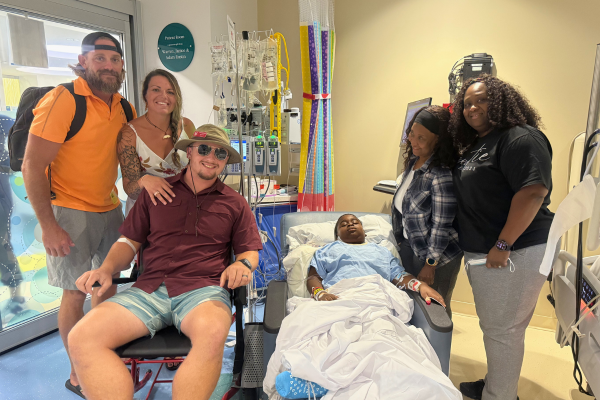
Cuda didn’t expect to meet his recipient. He was happy knowing whether the surgery went well or not for him.
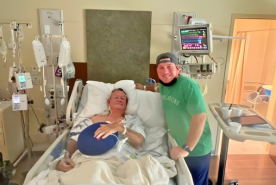
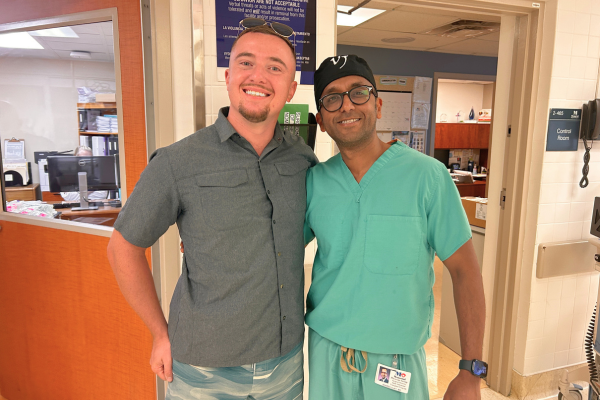
“When I woke up, the first thing I asked about was the child,” Cuda said. “The surgeon said his surgery went great and asked if I wanted to see him.”
Excited and still groggy, Cuda went to meet the family.
“His mom and grandma were crying. He was still sleeping,” he said. “The reality hadn’t fully hit me yet.”
But it’s a moment that will always stay with him.
“I’m honored to give that gift to a child,” Cuda said. “I hope he grows up to be the kind of person who would do something like this for someone else.”
Recovery was also a breeze for Cuda. He was walking hours after surgery, off pain medications within days, and back to everyday activities—including scuba diving and the gym—within weeks.
“It was like it didn’t happen,” he said. “And my mental and physical health is better than it was before I donated.”
Sharing the Facts
As an altruistic donor, Cuda chose to donate through the National Kidney Registry’s (NKR) voucher program. The voucher could help one of the five people he named get a living-donor kidney more quickly if they ever need one in the future. If Cuda ever needs a kidney transplant, he’ll automatically be prioritized on NKR’s living donor waitlist.
He also used NKR’s Donor Shield, which offers:
- Lost wage reimbursement for time off work
- Travel and lodging assistance
“All the big concerns people bring up are taken care of,” Cuda said. “Even without Donor Shield, all my medical costs related to the donation are covered.”
Learning about these protections made him realize that more people might donate if they had this information, especially younger adults.
“Young adults who donate usually have great outcomes and faster recovery times,” he said. “But I don’t see many donors my age.”
That’s why Cuda is sharing his story.
“I want to inspire young adults to donate,” he said. “It’s also why I started The Spare Parts Project, a nonprofit that educates people 30 and under about living donation.
Still, Cuda is careful not to pressure anyone.
“We all have spare parts. Most just don’t know it yet,” he said. “But this is a personal decision. If you’re not comfortable donating an organ, that’s completely valid.”
What matters most to Cuda is awareness.
“There’s a lot of fear and misinformation around organ donation,” he said. “I’m asking people to learn more and make an informed decision.”