May 19, 2026
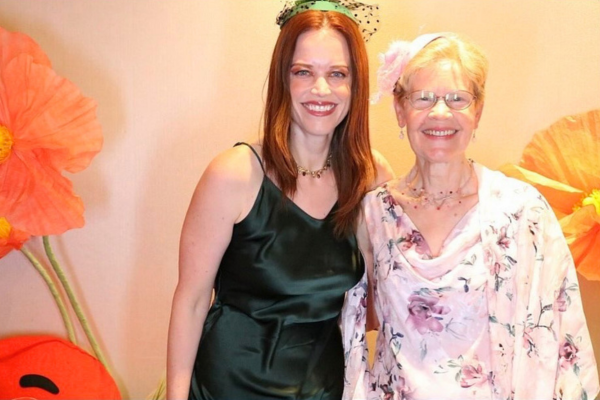
When people talk about living kidney donation, the focus is often on the donor or recipient. But behind every living donor is a support system of family, friends, and caregivers helping them through recovery.
For National Kidney Foundation (NKF) Vice President of Public Policy Miriam Godwin, that support came from her mother, Margaret Hilton.
Key Takeaways
Key Takeaways
The LDPA is federal legislation that protects living organ donors from insurance discrimination and strengthen job protections.
Most living kidney donors recover fully and continue to live healthy, active lives after donation.
You can support living donors by advocating for the LDPA, sharing resources, and getting involved with NKF.
A Mom's Perspective on Living Donation
Miriam first learned about the growing impact of kidney disease during a summer internship at the National Institutes of Health while in college, and later joined the National Kidney Foundation in 2019. In April 2021, Miriam made the decision to become an altruistic living kidney donor.
“I’m very proud and thankful that my daughter unselfishly chose to donate one of her two healthy kidneys to an unknown recipient,” Margaret said.
Margaret remembers the joy on her daughter’s face after surgery at Georgetown University Hospital and says that happiness continued throughout her recovery at home.
“I will never forget the huge smile on her face when I picked her up at Georgetown University Hospital,” Margaret said. “She continued to exude pure happiness for the next several days while resting at her childhood home.”
Although Miriam was active before surgery—regularly running, biking, and walking around Washington, D.C.—recovery still took time as her remaining kidney adjusted to the increased workload.
“She soon resumed remote work and moved back to her apartment,” Margaret said. “However, she didn’t have enough energy to run and didn’t feel 100% for about six months afterward.”
Today, Miriam has returned to her active lifestyle. She recently completed the Cherry Blossom 10-Mile Run, bikes to the NKF office in downtown Washington, D.C., and enjoys weekly bike rides with her father through Rock Creek Park.
“Like the vast majority of donors, she has regained her health, and her life expectancy has not changed,” Margaret said. “However, many life insurance companies charge higher premiums to living donors based on the misconception that losing a kidney shortens an individual’s lifespan. The Living Donor Protection Act would ban these discriminatory practices.”
Why Families Support the Living Donor Protection Act
Despite the lifesaving impact of living donation, some life insurance companies still charge higher premiums or deny coverage to living donors because of misconceptions about long-term health risks.
"Making the altruistic decision to donate a kidney requires time, energy, and commitment to complete the required health screenings, undergo surgery, and recover," Margret said. "It's essential to remove discriminatory life insurance pricing and lack of job protection."
As Margaret said, “The Living Donor Protection Act would ban these discriminatory practices."
The legislation would also strengthen protections under the Family and Medical Leave Act (FMLA), helping ensure living donors can take the time they need to recover after surgery without risking their jobs.
"The LDPA would ensure that Miriam and other selfless donors can afford life insurance to protect themselves and their families," Margaret said.
Why the Living Donor Protection Act Matters
More than 90,000 people in the United States are currently waiting for a kidney transplant. Living kidney donation can save lives and reduce wait times, but many potential donors worry about financial, insurance, and employment challenges.
Supporters of the Living Donor Protection Act believe removing these barriers could encourage more people to consider living donation.
For Margaret, advocacy became personal after seeing her daughter’s experience firsthand.
Today, Margaret is an NKF advocate, using her voice to advocate for the Living Donor Protect Act on behalf of other living donors and the more than 90,000 people waiting on a lifesaving kidney transplant. She regularly reaches out to her Congressional delegation about the LDPA and other bills, especially to her Senator, Senator Angela Alsobrooks, who is a co-sponsor of the LDPA and a kidney champion.
“In sum, this proud mother strongly supports the LDPA,” she said. "In February, 2026, Senator Alsobrooks also wrote back to me, emphasizing her commitment to serving the people of Maryland who are impacted by kidney disease and Marylanders like Miriam who have donated a kidney."
People are dying while this life-saving bill sits in committee. Your voice can help move it forward. Tell your representative to support the LDPA.
Take Action for Kidney Patients and Living Donors
Help support living kidney donors and the more than 90,000 people waiting for a kidney transplant. Become a Voices for Kidney Health advocate today.