Last updated: January 22, 2026
Medically reviewed by: NKF Patient Education Team
Learn how to enjoy traditional Mexican foods while protecting kidney health with balanced, kidney-friendly meals.
Table of Contents
- About the Mexican Culture and Nutrition
- Maintaining a Healthy Weight With Kidney-Friendly Eating
- Diabetes and Kidney Disease in the Mexican Community
- How Food Choices Affect My Kidney Health
- Key Nutrients in the Mexican Kidney Diet
- Protein
- Sodium
- Potassium
- Phosphorus
- Fluids
- Cultural Food Swaps for Kidney-Friendly Meals
- Mexican Kidney Plate
- Planning for Mexican Celebrations
- Questions to Ask Your Kidney Dietitian
- Mexican Recipes
- Additional Resources
About the Mexican Culture and Nutrition
Food is an important part of Mexican culture, family life, and celebrations. Meals bring people together and reflect traditions passed down through generations.
If you are living with chronic kidney disease (CKD), you can still enjoy many traditional Mexican foods. Some ingredients or cooking methods may need small changes, such as using less salt, choosing leaner protein, or watching portion sizes of foods higher in potassium or phosphorus.
A kidney dietitian can help you adapt traditional meals so they support your kidney health while still feeling familiar and meaningful.
Maintaining a Healthy Weight With Kidney-Friendly Eating
Calories are like fuel. They give your body energy, help you stay at a healthy weight, and allow your body to use protein to build and repair muscles.
Helpful tips:
- Add different textures, colors, and flavors to meals
- Choose fresh foods when possible
- Use herbs, spices, garlic, onion, chili, cumin, and lime instead of salt
Diabetes and Kidney Disease in the Mexican Community
Following a lower carbohydrate meal plan and picking kidney-friendly foods can be challenging. Foods that are good for one meal plan may not be good for another. Plan for three balanced meals, include a variety of vegetables, fruits, whole grains, and lean proteins, and bring snacks to dialysis if needed. Monitor your blood glucose as directed by your doctor and consult your kidney dietitian or diabetes educator.
How Food Choices Affect My Kidney Health
When nutrients such as protein, sodium, potassium, phosphorus, and fluids build up, they can cause swelling, high blood pressure, bone problems, and heart issues. Your meal plan depends on your stage of kidney disease, lab results, symptoms, and whether you are on dialysis.

Key Nutrients in the Mexican Kidney Diet
Every culture has unique foods and flavors, and many of them can fit into a kidney-friendly eating plan. Understanding how key nutrients like fluid, phosphorus, potassium, protein, and sodium affect your body can help you make small adjustments while keeping the traditional foods you love.
Mexican Kidney Diet Quick Guide
| Nutrient | Limit | Choose Instead | Why It Matters | CKD Stage |
|---|---|---|---|---|
| Sodium | Chorizo, seasoning packets, bottled sauces | Fresh herbs, lime, garlic, homemade salsa | Controls blood pressure and fluid | All stages |
| Potassium | Large portions of avocado, plantain, banana | Smaller portions, apples, berries, pineapple | Protects heart rhythm | If potassium is high |
| Phosphorus | Cheese, milk, cola, packaged foods | Small dairy portions, fresh meats, water | Protects bones | Later stages, dialysis |
| Protein | Large portions of meat | Balanced portions of animal and plant protein | Reduces waste buildup | Varies by stage |
| Fluids | Sugary drinks, large soups | Water, herbal tea, measured portions | Prevents swelling | Dialysis |
Protein
Protein helps build muscles, repair tissue, and fight infection. It is found in many traditional foods such as chicken, fish, eggs, beans, lentils, and corn-based dishes. The amount and type of protein you need depends on your stage of kidney disease.
- People in the early stages of kidney disease may benefit from smaller portions of protein or choose more plant-based options, such as beans or lentils, to help reduce waste buildup
- People on dialysis often need more protein to stay strong, support healing, and maintain muscle mass.
Serving size tip: The palm of your hand is about 3 ounces of protein.
Types of Protein
| Types | Examples | Tips |
|---|---|---|
| Animal Protein | Chicken, fish, eggs, milk, yogurt | Choose lean cuts. Grill, bake, or boil. |
| Plant Protein | Beans, lentils, corn tortillas, nuts, seeds | Watch portions if potassium or phosphorus is limited. |
Balance Your Protein Intake
| Lower Protein Intake | Increase Protein Intake |
|---|---|
| Early-stage CKD | Dialysis |
| Smaller portions of meat | Protein at each meal |
| More fruits and vegetables | Protein snacks if needed |
Sodium
Sodium is a mineral that helps your nerves and muscles work properly, but too much can cause high blood pressure and fluid buildup around the heart and lungs. Many traditional Mexican foods are full of flavor, but some ingredients, such as processed meats, seasoning packets, canned foods, and bottled sauces, can add a lot of extra sodium. Lowering your sodium intake can help reduce thirst, control blood pressure, and protect your kidneys.
How Much Sodium Should I Have?
Most people should aim for less than 2,300 mg of sodium per day, which is about the amount in one teaspoon of salt.
If you are on dialysis, eating too much sodium can make you thirstier and may cause fluid discomfort during treatment.
Sources of Sodium
| Type of Food | Examples | Healthier Choices |
|---|---|---|
| Processed meats | Chorizo, sausage, bacon | Fresh chicken, fish |
| Sauces and mixes | Seasoning packets, bottled salsa | Homemade salsa, fresh spices |
| Snacks | Chips, salted nuts | Unsalted popcorn, fruit |
Tips to Control Sodium Intake
| Small Changes That Help | Why It Matters |
|---|---|
| Cook at home | Controls salt |
| Taste before salting | Reduces sodium |
| Rinse canned foods | Removes extra salt |
Do not use salt substitutes made with potassium if you need to limit potassium.
Potassium
Potassium is a mineral that helps your muscles and nerves work properly. When your kidneys are not removing potassium well, levels can build up in the blood and cause an irregular heartbeat or heart attack.
Many fruits, vegetables, and starches commonly used in Mexican cooking are naturally high in potassium, including foods like tomatoes, squash, avocados, plantains, and beans. Watching portion sizes and using certain cooking methods can help manage potassium levels. Managing potassium helps keep your heart healthy and your body in balance.
How Much Potassium Should I Have?
Your doctor or kidney dietitian may recommend about 2,000 mg of potassium per day if you need to limit it. Some people taking diuretics or other medicines may need more potassium. Always follow your kidney dietitian’s advice for your specific needs.
Common Sources of Potassium
| Type of Food | Examples | Healthier Choices |
|---|---|---|
| Fruits | Banana, mango | Apple, pear, pineapple |
| Vegetables | Tomato, squash | Cabbage, cucumber |
| Starches | Plantain | White rice, corn tortillas |
Tips to Control Potassium Intake
| Small Changes That Help | Why It Matters |
|---|---|
| Watch portion sizes | Prevents buildup |
| Boil vegetables | Lowers potassium |
| Spread potassium foods out | Avoids spikes |
Phosphorus
Phosphorus helps keep bones and teeth strong. When your kidneys are not working well, phosphorus can build up in your blood and pull calcium from your bones, making them weak. Phosphorus is found in many foods commonly eaten in Mexican meals, including meats, dairy foods like milk and cheese, colas, and packaged or processed foods. Choosing fresh foods instead of packaged ones and checking ingredient lists for “phos” can help limit extra phosphorus.
How Much Phosphorus Should I Have?
Your doctor or kidney dietitian will determine how much phosphorus you need each day. Many people with CKD should limit phosphorus to about 800 to 1,000 mg per day, depending on lab results. Your dietitian may also recommend medicines called phosphate binders that help remove phosphorus from food after meals.
Common Sources of Phosphorus
| Type of Food | Examples | Healthier Choices |
|---|---|---|
| Dairy | Milk, cheese, crema | Smaller portions or alternatives |
| Drinks | Cola | Water, herbal tea |
| Packaged foods | Instant mixes | Fresh cooked foods |
Tips to Control Phosphorus Intake
| Small Changes That Help | Why It Matters |
|---|---|
| Read labels for 'phos' | Avoids additives |
| Choose fresh meats | Lower phosphorus |
| Take binders if prescribed | Protects bones |
Fluids
Fluids include drinks and foods that are liquid at room temperature, such as soups, juices, gelatin, and ice cream. Many traditional Mexican foods and drinks, including soups and Aguas frescas, also count as fluids. The amount of fluid your body needs depends on your stage of kidney disease and type of treatment. Too much fluid can cause swelling, high blood pressure, and shortness of breath, while too little can lead to dehydration and low blood pressure. Finding the right balance helps you feel your best and keeps your heart and kidneys working well.
How Much Fluid Should I Have?
Your doctor or kidney dietitian will tell you how much fluid is right for you.
- People with early-stage CKD may not need to limit fluid
- People on dialysis often need to limit fluids to prevent discomfort during treatment.
Common Sources of Fluid
| Type | Examples | Healthier Choices |
|---|---|---|
| Drinks | Juice, soda | Water, unsweetened tea |
| Soups | Pozole, caldo | Smaller portions |
| Desserts | Gelatin, ice cream | Fruit if allowed |
Tips to Control Fluid Intake
| Small Changes That Help | Why It Matters |
|---|---|
| Sip slowly | Controls thirst |
| Use smaller cups | Limits intake |
| Rinse mouth with water | Reduces dry mouth |
| Traditional Dish | Concern | Kidney-Friendly Swap | Why It Works |
|---|---|---|---|
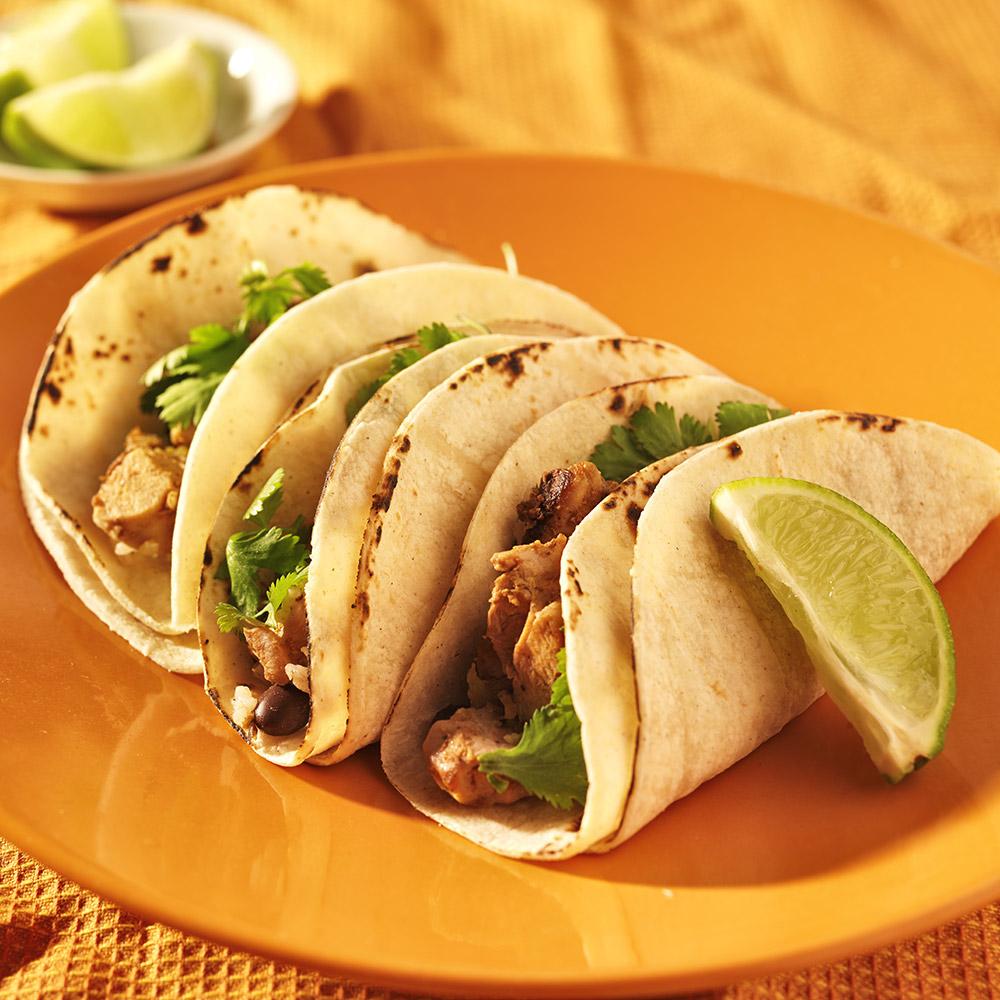
| Chorizo tacos | High sodium | Grilled chicken tacos | Lower salt |
| Refried beans | Potassium | Smaller portion, rinsed beans | Reduces potassium |
| Atole with sugar | High sugar | Atole with less sugar | Better for diabetes |
| Meal | Example Foods | Kidney Diet Tip |
|---|---|---|
| Breakfast | Egg with corn tortilla and fruit | Watch potassium |
| Lunch | Grilled chicken, rice, salad | Control sodium |
| Dinner | Fish, vegetables, rice | Balance portions |
| Snack | Unsalted popcorn | Low sodium |
Planning for Mexican Celebrations
You do not need to avoid cultural foods during celebrations. Small changes can help protect your kidneys.
- Use fresh herbs and citrus instead of salt
- Choose smaller portions of higher-potassium foods
- Balance rich dishes with vegetables or fruit
- Drink water or herbal tea instead of sugary or alcoholic drinks