Last updated: December 18, 2025
Medically reviewed by: NKF Patient Education Team
CKD raises your risk for severe pneumococcal disease. Learn more about what to look for, when to seek medical help, and how to lower your risk.
About Pneumococcal Disease
Pneumococcal (pronounced new-moe-KAA-kl) disease is an infection caused by a type of bacteria called Streptococcus pneumoniae. These germs can spread from person to person through coughing, sneezing, or close contact.
Living with chronic kidney disease (CKD) comes with a higher chance of getting sick from these bacteria because your immune system may not work as well. Getting vaccinated is one of the best ways to stay protected.
Signs and Symptoms
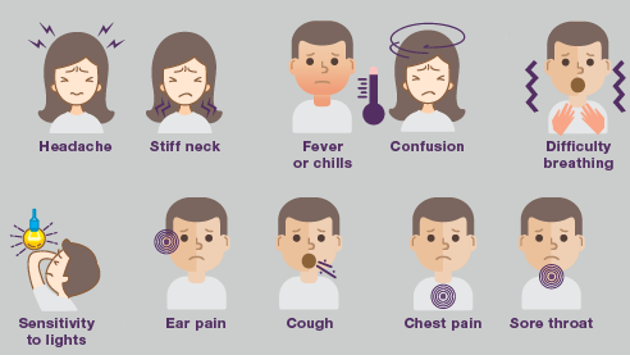
Symptoms can depend on the part of the body that is infected. These may include:
- Fever
- Shaking/chills
- Cough
- Trouble breathing
- Chest pain
- Headache
- Ear pain
- Feeling very tired
- Stiff neck
- Confusion (more common in older adults)
Actual symptoms can be different from person to person. If you notice any of these symptoms, seek medical help right away.
Causes
Pneumococcal disease is caused by bacteria that naturally live in the nose and throat. Many people carry these bacteria without feeling sick. The germs spread through coughing, sneezing, or close contact. A healthy immune system can usually stop the bacteria from spreading, but people with CKD often have weaker immune systems, making it harder to fight infections.
Risk factors for severe infections include:
- Infants and children younger than 5 years old
- Adults 65 years or older
- People with certain health conditions like chronic kidney disease, diabetes, or heart disease
- People on dialysis or with a kidney transplant
- Long-term alcohol use
- Smoking
Having the flu (influenza) can also raise your risk of getting pneumococcal disease. So, the yearly flu vaccine (shot) is especially important for preventing both flu and pneumococcal disease.
Not everyone who carries the bacteria gets sick from it, so it's possible to "catch" pneumococcal disease from someone who seems to be healthy.
All forms of pneumococcal disease can be serious, but pneumonia, meningitis, and bacteremia are the most serious.
Complications
Without treatment, pneumococcal disease can cause serious complications. These include:
- Airway blockage or collapsed lung
- Pericarditis (inflammation of the outer lining of the heart)
- Hospitalization
- Seizures
- Long-term brain or nerve problems
- Developmental delays (in children)
- Acute kidney injury
- Sepsis
- Blindness
- Hearing loss
- Paralysis
- Death (in very severe cases)
People with CKD have a higher risk of serious complications than people without CKD.
Diagnosis
Tests
Your healthcare professional may use several tests to find out if you have pneumococcal disease. The actual test(s) used will depend on your symptoms. Examples of commonly used tests include:
- Chest X-ray: looks for pneumonia in your lungs
- Blood tests: look for bacteria and other signs of infection in your bloodstream
- Spinal tap (lumbar puncture): checks for meningitis
- Sputum test: examines mucus from your lungs
- Nasal or throat swab: tests these surfaces for bacteria
These tests will help decide the right treatment plan.
Prevention
The best prevention is staying up to date with your vaccines. Pneumococcal vaccines (shots) are recommended for all adults age 50 years or older. If you are under 50, vaccination is recommended if you:
- have a weakened immune system (for example, if you have a kidney transplant or HIV)
- have advanced CKD or are on dialysis
- have diabetes, heart disease, liver disease, asthma, COPD, or some cancers
- smoke
- are taking a complement inhibitor for your kidney disease
There are two main types of pneumonia vaccines:
- Conjugate vaccines: PCV15 (Vaxneuvance), PCV20 (Prevnar 20), and PCV21 (Capvaxive)
- Polysaccharide vaccine: PPSV23 (Pneumovax 23)
The letters and numbers in the vaccine name show what type of vaccine it is and how many strains (types) of bacteria it protects against.
Which vaccine (or combination of vaccines) you need and the timing of doses depends on:
- whether you have had a pneumonia vaccine before
- which vaccine(s) you received in the past
Because the schedule can vary, ask your healthcare professional which pneumonia vaccine is best for you.
Most people with kidney disease will need a combination of both types of pneumonia vaccine to get the best protection. Pneumococcal vaccines can be given any time of the year.
Treatment
Pneumococcal disease is treated with antibiotics. The type of antibiotic depends on where the infection is, how serious it is, and local bacterial resistance patterns. You may also need:
- Oxygen or breathing support
- Fluids
- Fever control
- Hospital care, depending on how sick you are
Starting treatment early is important, especially for people with CKD.
Preparing for your appointment
Questions to ask
- How high is my risk level for pneumococcal disease?
- Everyone’s CKD is different, and levels of infection risk vary based on CKD stage and other health conditions you may have. Ask your healthcare professional to explain how CKD may be affecting your immune system and what your general risk of pneumococcal disease may be. Bring up any conditions or treatments you have so your healthcare professional can explain your full risk.
- Which pneumococcal vaccines do I need and when should I get them?
- Your healthcare professional can help walk you through the different vaccines available, and which ones are recommended based on your vaccine and medical histories.
- Do I need a booster dose? If so, when should my next dose be?
- Some people need only one dose of each type of pneumococcal vaccine for full coverage. Others need more doses over time, including many people living with kidney disease. Talk with your healthcare professional about your situation.
- What symptoms should I watch for that mean I need medical care?
- Ask about early signs of pneumonia, meningitis, or blood infection so you can act quickly.
- If I get sick, how will my CKD affect the treatments I can receive?
- Some medicines may need dose changes in certain stages of CKD, especially antibiotics. If you need to start an antibiotic, ask your healthcare professional if the dose needs to be adjusted for your kidney function (eGFR level).