May 06, 2026

"Dolly Parton concert BIC Bournemouth" by pipilongstockings, licensed under CC BY 2.0.
Country music legend Dolly Parton recently shared that she had to cancel her Vegas shows due to ongoing kidney stone and digestive system issues. But by sharing her story, Parton is helping shine a light on a condition many people silently struggle with.
Table of Contents
Dolly Parton and Kidney Stones
Parton told her fans on Instagram and X that she has dealt with kidney stones for years.
She joked that doctors have “dug more stones out of me than the rock quarry in Rockwood, Tennessee.”
But behind the humor is a condition that affects millions of Americans and can cause intense pain, infections, and even kidney damage if left untreated.
Kidney stones are common, painful, and may be preventable for some people. Knowing the symptoms and understanding treatment options can help you get care before complications happen.
What Are Kidney Stones?
Kidney stones are hard deposits made of minerals and salts that form inside the kidneys. They can range in size from a grain of sand to larger than a golf ball, and can have very sharp points that tear into kidney tissue.
Some stones stay in the kidney without causing problems. Others move into the urinary tract, where they can block urine flow and trigger severe pain.
Several types of kidney stones exist:
- Calcium oxalate stones, the most common type
- Calcium phosphate stones are also very common
- Uric acid stones
- Struvite stones, often linked to infections
- Cystine stones, which are caused by a rare inherited condition called cystinuria
Kidney Stone Symptoms
Small kidney stones may not cause symptoms at first. If a stone moves or blocks part of the urinary tract, symptoms can appear suddenly.
Common kidney stone symptoms include:
- Severe pain in the back, side, lower abdomen, or groin
- Pain that comes in waves
- Burning or pain during urination
- Blood in the urine
- Cloudy or foul-smelling urine
- Feeling like you need to urinate often
- Nausea or vomiting
- Fever or chills, which may signal an infection
Many people describe kidney stone pain as one of the worst pains they have ever experienced. An untreated blockage or infection can even damage the kidneys or become life-threatening.
Seek medical care right away if you experience these symptoms.
What Causes Kidney Stones?
Kidney stones can develop for many reasons.
Risk factors include:
- Not drinking enough fluids
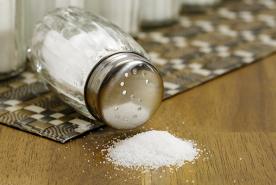
- Eating foods high in sodium, sugar, and/or animal protein
- Obesity
- Certain medications
- Digestive diseases and surgeries of the digestive tract
- Family history of kidney stones
- Recurrent urinary tract infections
- Urine that’s too acidic
- Urine that’s too alkaline (basic)
People who have had one kidney stone are also more likely to develop another.
Fluids, Citrate, and Pain Management
Small stones may pass naturally with time, so doctors often recommend:
- Drinking plenty of water
- Pain-relieving medications
- Medicines that relax the urinary tract to help stones pass more easily
- Citrate is often used to bind to urinary calcium. This prevents the formation of calcium-oxalate or phosphate crystals. It makes urine less acidic, which helps dissolve uric acid stones and prevents new stone formation
Can Kidney Stones be Prevented?
In some cases, yes.
Preventing kidney stones often starts with lifestyle changes, including:
- Drinking enough water throughout the day
- Reducing sodium intake
- Eating balanced amounts of protein
- Limiting sugary drinks
- Following your doctor’s dietary recommendations
For people with recurring stones, doctors may prescribe medications like citrate or recommend working with a kidney dietitian.
Kidney Stones and Kidney Health
Parton’s story is a reminder that kidney stones can affect anyone, even people who seem energetic and healthy. While many people think of kidney stones as a short-term issue, recurring stones can become a chronic condition that interrupts work, travel, sleep, and daily life.
And while most kidney stones can be treated successfully, repeated stones can affect long-term kidney health—especially when infections or blockages occur.
By speaking openly about her health struggles, Parton is helping reduce stigma around discussing painful and personal medical issues. Her announcement may also encourage others to recognize symptoms earlier, seek treatment sooner, and take steps to protect their kidney health.