May 19, 2026
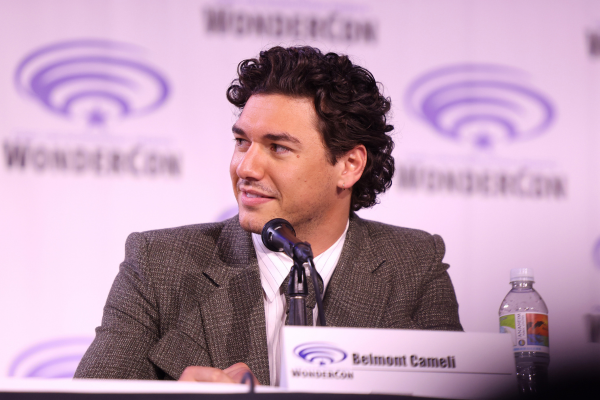
"Belmont Cameli" by Gage Skidmore is licensed under CC BY-SA 2.0.
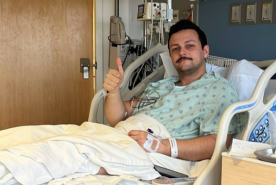
Fans know Belmont Cameli for his breakout roles in teen dramas and streaming hits, including the college romance series Off Campus. But long before the rising actor was making headlines for his work onscreen, he made a life-saving decision to donate one of his kidneys to a childhood friend in need.
The decision led to something far bigger than either of them expected.
From One “Yes” to Seven Lives Saved
In 2018, Cameli learned that his friend needed a kidney transplant and immediately volunteered to be tested as a donor. Although he was not a compatible match, he refused to walk away.
Cameli joined a paired kidney exchange program, where incompatible donor-recipient pairs are matched with others in similar situations. He donated his kidney to a stranger and became a part of a 14-person transplant chain that saved seven lives.
Now, his story is shining a spotlight on the power of living kidney donation and the incredible impact one person can have by saying yes.
Why Living Kidney Donation Matters
More than 90,000 people in the United States are currently waiting for a kidney transplant. Many will wait years for a deceased donor kidney, and some may become too sick before a kidney becomes available.
Living donation can change that.
A kidney from a living donor often:
- Lasts longer than a deceased donor kidney
- Works immediately after transplant
- Allows surgery to happen sooner
- Improves survival and quality of life
While most humans are born with two kidneys, healthy individuals can live with just one. After donation, most living donors return to their normal activities, including work, exercise, travel, and family life.
Join the NKF Blog Newsletter
Get Support, Delivered Monthly
Get monthly inspirational stories, practical insights, and expert advice to manage your kidney health at any stage.
Who Can Become a Living Kidney Donor?
Every potential donor goes through the living kidney donor evaluation to ensure they are physically and mentally fit to donate.
In general, donors:
- Are in good physical and mental health
- Have normal kidney function
- Understand the risks and benefits of donation
People of many ages and backgrounds have become living donors. Some donate to family members or friends. Others choose to donate altruistically to someone they have never met.
Considering living donation? Speak with a trained NKF Living Donor Peer Mentor.
What Happens If You’re Not a Match?
Many people assume that if they are not a compatible kidney donor for a loved one, they cannot help.
That’s not true.
Programs across the United States now use paired kidney exchange systems, sometimes called “kidney swap” programs, to connect donors and recipients with other incompatible pairs.
In these programs:
- Donor A wants to donate to Recipient A, but they are incompatible.
- Donor B wants to donate to Recipient B, but is also incompatible.
- If Donor A matches Recipient B and Donor B matches Recipient A, both transplants can happen.
Sometimes, these swaps grow into larger chains involving many donors and recipients, just like the chain Cameli joined.
These programs help more people receive lifesaving transplants while giving willing donors a way to help the people they love.
The Emotional Impact of Donation
For many donors, the experience becomes one of the most meaningful moments of their lives.
"I was blessed with the opportunity and privilege to save a life," Cameli, then 20, said on Instagram.
Many recipients describe getting a transplant as a second chance at life without being hooked to a dialysis machine.
And, as Cameli’s story shows, one decision can impact far more people than expected. A single living donor can spark a chain reaction that reaches multiple families, communities, and future generations.
Ready to take the next step? Get started with information on how to connect with a transplant center.