Last updated: April 24, 2026
Medically reviewed by: NKF Patient Education Team
Learn how to enjoy traditional Black American foods while protecting kidney health with balanced, kidney-friendly meals.
Table of Contents
- About Black American and Nutrition
- How Food Choices Affect My Kidney Health
- Diabetes and Kidney Disease in the Black American Community
- Key Nutrients in the Black American Kidney Diet
- Protein
- Sodium
- Potassium
- Phosphorus
- Fluids
- Black American Food Swaps for Kidney-Friendly Meals
- Black American Kidney Plate
- Planning for Black American Celebrations
- Questions to Ask Your Kidney Dietitian
- Recipes
- Additional Resources
About Black American and Nutrition
Food is an important part of Black American traditions, family life, and celebrations. This diet often includes a variety of fresh fruits, vegetables, grains, meats, seafood and flavorful herbs and spices that make meals enjoyable and meaningful. When living with chronic kidney disease (CKD), you can still enjoy many of your favorite foods. Some traditional ingredients or cooking methods may need small adjustments, such as using less salt, choosing leaner protein sources, or managing portions of higher potassium foods. A kidney dietitian can help you build a meal plan that honors your heritage while protecting your kidney health. The goal is to adapt, not replace, traditional meals so they remain both healthy and Black Americanly familiar.
Diabetes and Kidney Disease in the Black American Community
Following a lower carbohydrate meal plan and picking kidney-friendly foods can be challenging. Foods that are good for one meal plan may not be good for another. Plan for three balanced meals, include a variety of vegetables, fruits, whole grains, and lean proteins, and bring snacks to dialysis if needed. Monitor your blood glucose as directed by your doctor and consult your kidney dietitian or diabetes educator.

Key Nutrients in the Black American Kidney Diet
Every Black American has unique foods and flavors, and many of them can fit into a kidney-friendly eating plan. Understanding how key nutrients like fluid, phosphorus, potassium, protein, and sodium affect your body can help you make small adjustments while keeping the traditional foods you love.
Black American Kidney Diet Quick Guide
| Nutrient | Limit | Choose Instead | Why It Matters |
|---|---|---|---|
| Sodium | Seasoning salts | Garlic/onion powder | Fluid retention |
| Potassium | Oranges, bananas, avocado | Apples, grapes, pineapple | Heart function |
| Phosphorus | Nuts/chocolate | Mints, hard candies | Bone health |
| Protein | Processed meats | Beef/pork/chicken | Decreases sodium and phosphorus intake |
| Fluids | Limit colas | Unsweetened tea, water, ginger ale | Decreases phosphorus intake |
Your hand as a guide to help with serving size. The palm of your hand is about three ounces, and the size of your thumb is about one ounce.
Types of Protein
| Types | Examples | Tips |
|---|---|---|
| Animal Protein | Beef, chicken, turkey, pork | Use herbs and spices instead of salt, also choose leaner cuts of these meats |
| Plant Protein | Tofu, beans, lentils | Eat in small quantities and discuss how and when to add to your meals |
Balance Your Protein Intake
| Lower Protein Intake | Increase Protein Intake |
|---|---|
| Bacon | Beef |
| Sausage | Turkey |
| Deli meats | Fish |
Sodium
Sodium is a mineral that helps your nerves and muscles work properly, but too much can cause high blood pressure and fluid buildup around the heart and lungs.
How Much Sodium Should I Have?
Most people should aim for less than 2,300 mg of sodium per day, which equals about one teaspoon of salt.
If you are on dialysis, eating too much sodium can make you thirstier and cause fluid discomfort during treatment. It can also increase fluid weight gain between hemodialysis treatments.
Sources of Sodium in Black American Diet
| Type of Food | Examples | Healthier Black American Choices |
|---|---|---|
| Processed meats | Luncheon meats | Low sodium tuna fish in water, boiled eggs for egg salad |
| Seasoning salts | Tony’s, Slap ya Mama | Garlic/onion powders, paprika, cayenne pepper, black pepper, Mrs. Dash, thyme, oregano, white pepper, lemon pepper, basil, rosemary |
Tips to Control Sodium Intake
| Small Changes That Help | Why It Matters |
|---|---|
| Change seasoning salts to fresh herbs and spices | Decreases fluid retention and thirst and decreases fluid weight between hemo dialysis treatments |
Do not use salt substitutes made with potassium if you need to restrict potassium.
Potassium
Potassium is a mineral that helps your muscles and nerves work properly. When your kidneys are not removing potassium well, levels can build up in the blood and cause irregular heartbeat or heart attack.
How Much Potassium Should I Have?
Your doctor or dietitian may recommend about 2,000 mg of potassium per day if you need to limit it. Some people taking diuretics or other medicines may need more potassium. Always follow your kidney dietitian’s advice for your specific needs.
Common Sources of Potassium
| Type of Food | Examples | Healthier Black American Choices |
|---|---|---|
| Dried beans | Red beans, Black Eye Peas | Carrots, corn, pasta, rice |
| Fruits | Melons, bananas, avocado, oranges | Apples, strawberries, blackberries, blueberries, pears, plums, grapes, peaches, pineapples |
| Vegetables | Tomatoes, potatoes | Cabbage, cucumbers, onions, peppers, lettuce, mushrooms, Tofu, cauliflower, ½ cup servings of cooked collard, turnip and mustard greens (they are boiled initially therefore after the first 45 minutes-60 minutes drain the water to bleach the potassium then add low sodium chicken broth and water and continue to cook until tender) |
| Salt Substitutes | Mortons | Mrs. Dash |
Tips to Control Potassium Intake
| Small Changes That Help | Why It Matters |
|---|---|
| Soak beans overnight and cook in fresh water | Leaches potassium from beans |
| Soak potatoes overnight and cook in fresh water | Leaches potassium from potatoes |
| Use herbs and spices | Reduces use of substitutes that may contain potassium |
Phosphorus
Phosphorus helps keep bones and teeth strong. When kidneys are not working well, phosphorus can build up in your blood and pull calcium from your bones, making them weak. It’s found in meats, dairy, colas, and processed foods. Choose fresh foods instead of packaged ones and check for “phos” ingredients on labels.
How Much Phosphorus Should I Have?
Your doctor or kidney dietitian will determine how much phosphorus you need each day. Many people with CKD should limit phosphorus to about 800–1,000 mg per day, depending on lab results. Your dietitian may also recommend phosphate binder medicines to help lower phosphorus levels after meals.
Common Sources of Phosphorus
| Type of Food | Examples | Healthier Black American Choices |
|---|---|---|
| Dairy | Cheddar cheese, milk | Cottage cheese, cream cheese, almond milk, unenriched rice milks |
| Meat | Processed foods | Tuna fish, ground (turkey/beef) , Striped Bass, Cat Fish, Perch ***Chitterlings (on rare occasions) |
| Legumes | Beans/lentils | Jambalaya (rice/pasta) |
| Plant- Based Focus | Nuts, seeds, whole grains. Legumes (moderate amounts) | |
| Snacks | Pretzels, air-popped popcorn, rice cakes |
Tips to Control Phosphorus Intake
| Small Changes That Help | Why It Matters |
|---|---|
| Choose fresh or home-cooked meals instead of packaged foods | Reduces exposure to phosphate additives |
| Replace regular milk with non-dairy substitutes (soy, almond, or oat milk) | Keeps flavor but lowers phosphorus |
| Take phosphate binders as prescribed with meals or snacks | Helps remove extra phosphorus from food |
| Balance portions of protein-rich foods | Most protein foods also contain phosphorus, so portion control is key |
Fluids
Fluids include drinks and foods that are liquid at room temperature, such as soups, juices, gelatin, and ice cream. The amount of fluid your body needs depends on your stage of kidney disease and type of treatment. Too much fluid can cause swelling, high blood pressure, and shortness of breath, while too little can lead to dehydration and low blood pressure. Finding the right balance helps you feel your best and keeps your heart and kidneys working well.
How Much Fluid Should I Have?
Your doctor or kidney dietitian will tell you how much fluid is right for you.
- People with early-stage CKD may not need to limit fluids.
- People on dialysis often need to limit fluids to prevent discomfort during treatment.
Common Sources of Fluid
| Type of Drink or Food | Examples | Healthier Black American Choices |
|---|---|---|
| Tea | Pure leaf | Fresh brewed with agave |
| Lemonade | Minutemaid | Water with lemon |
| Cola | Coke/Pepsi/Dr. Pepper | Sprite, Sierra Mist, Orange Soda |
Tips to Control Fluid Intake
| Small Changes That Help | Why It Matters |
|---|---|
| Use a glass/premeasured 32oz cup | Ensures that you only drink the recommended amount |
| Have a lemon wedge | Helps to decrease dry mouth |
| Freeze grapes, berries and let them melt slowly and suck on them. Suck on hard candy. Use mouth wash or rinse mouth with cold water without swallowing. Take pills with applesauce, pudding instead of water | Helps control fluid retention and excessive weight between hemodialysis treatments. |
| Traditional Dish | Concern | Kidney-Friendly Swap | Why It Works |
|---|---|---|---|
| Macaroni and Cheese | High in phosphorus | Macaroni with cream cheese | Lower in phosphorus |
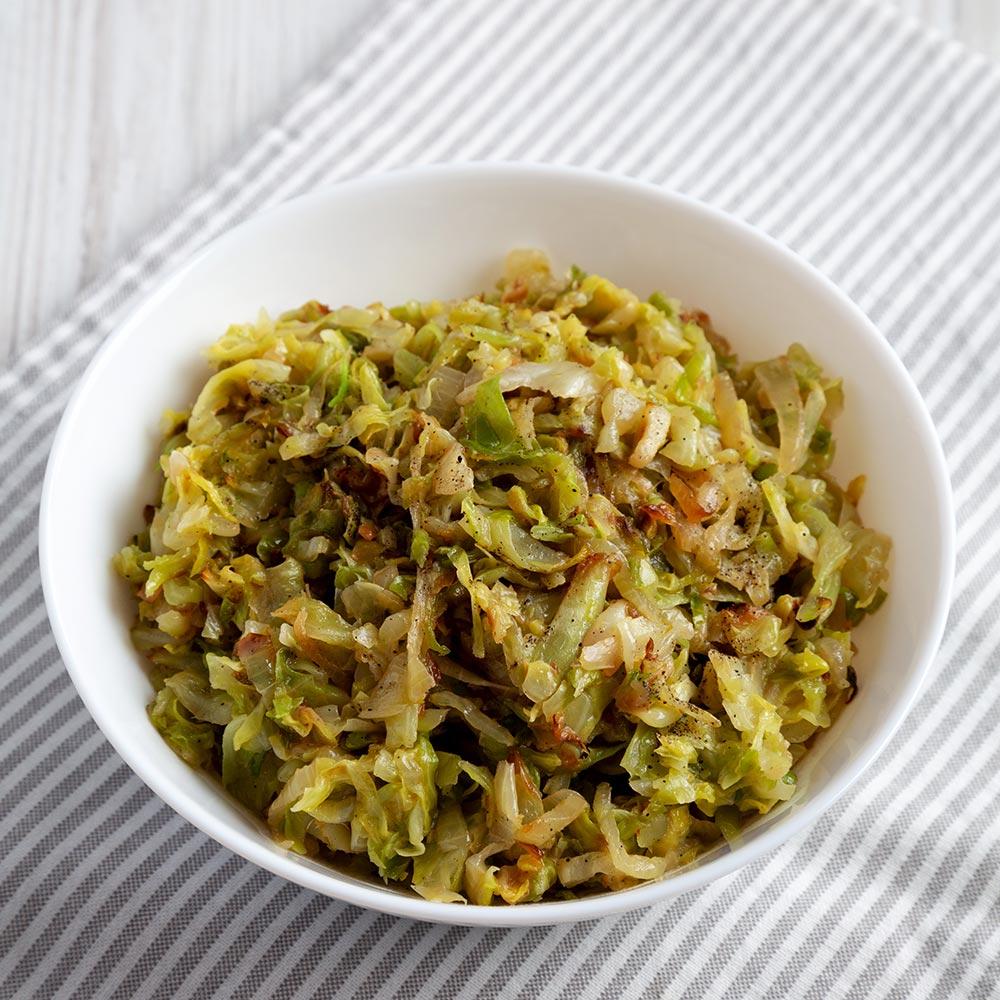
| Cabbage with ham hocks | High in sodium | Cabbage sauteed with low sodium chicken broth | Lower in sodium |
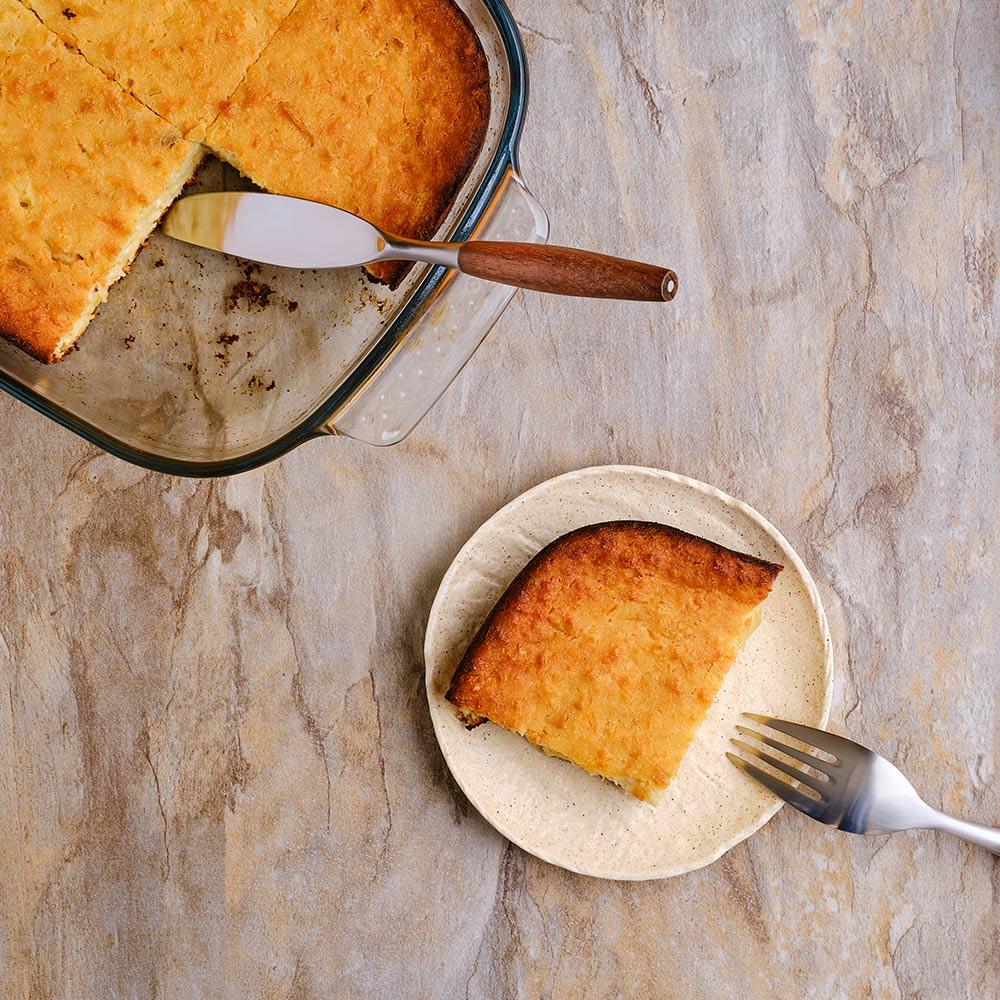
| Cornbread dressing with liver | High in phosphorus | Cornbread dressing with ground beef, boiled chicken, baked turkey | Lower in phosphorus |
| Potato salad | High in potassium | Green salad or macaroni salad with red onions, peppers, and cucumbers | Lower in potassium adds fiber |
Black American Kidney Plate
The Black American Kidney Plate is a simple way to plan meals that reflect your heritage and support your kidney health. Fill half your plate with low-potassium vegetables, one-quarter with protein, and one-quarter with starches or grains. Add fruit and drink water or herbal tea.
| Meal | Example Foods | Kidney Diet Tip |
|---|---|---|
| Breakfast | Grits, eggs, toast. coffee | Use pepper on eggs, skip adding salt to water for grits. Use nondairy creamer |
| Lunch | Tuna salad sandwich on white bread, lettuce and cucumber salad with low sodium Italian dressing | Add celery and onion to tuna to add flavor while skipping on salt, can add cream cheese and red onions to the cumber salad |
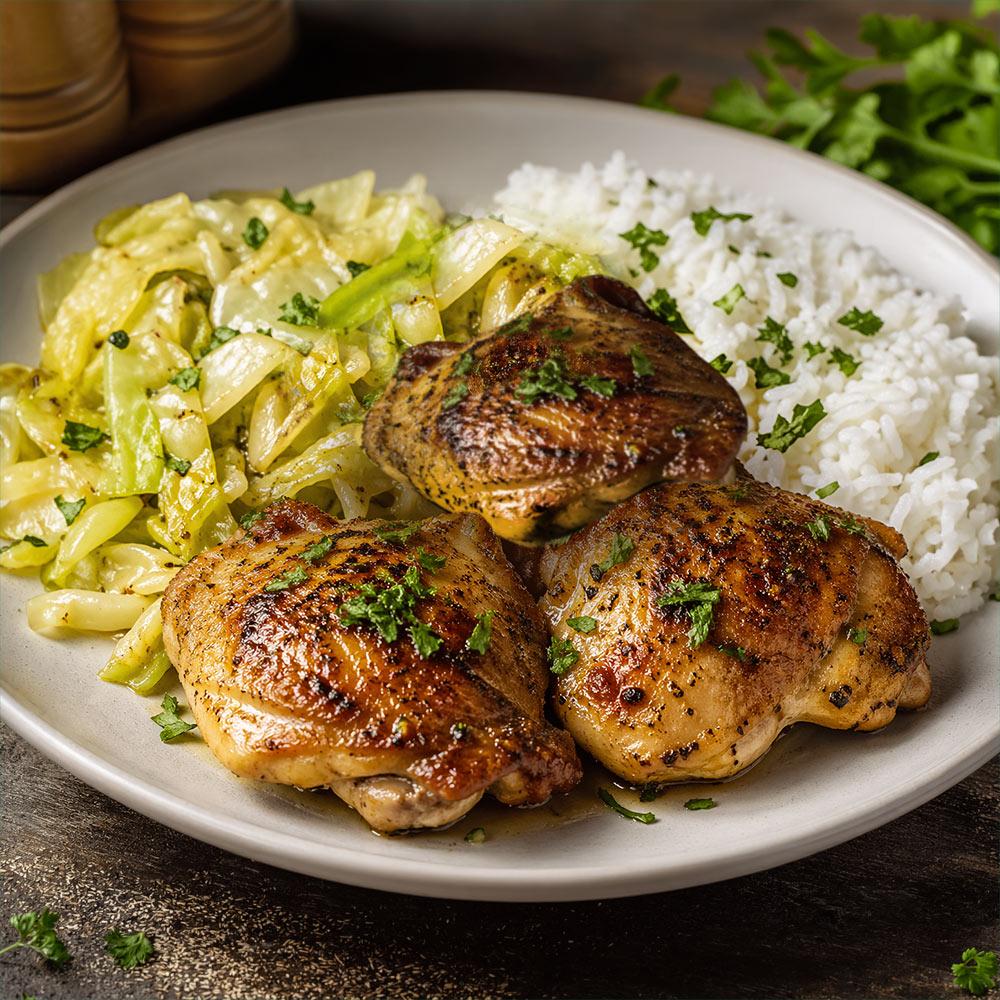
| Dinner | Baked chicken, steamed broccoli, and rice pilaf | Use spices and herbs to season chicken and vegetables, low sodium broth can add flavor to rice pilaf |
| Snack | Cinnamon and brown sugar baked apples.Fresh peaches, berries (blackberries, strawberries, raspberries, and blueberries), grapes. Non-fiber Snacks.Greek Yogurt, Graham Crackers, Vanilla Wafers, Sandwiches with the baked chicken, baked turkey, tuna packed in water, egg salad, cooked roast beef, listed fish and others (discuss with your registered dietitian) | Adds fiber |
Planning for Black American Celebrations
Traditional foods are an important part of Black American celebrations. You don’t have to give them up, just make small changes. Here are a few ways to enjoy traditional dishes while protecting your kidneys:
- Use fresh herbs, lemon pepper, and citrus instead of salt-heavy seasonings.
- Choose smaller portions of higher-potassium foods like plantains.
- Balance heavy meals with lighter sides such as steamed vegetables or fruit.
- Drink water or herbal teas instead of sugary or alcoholic beverages.
Questions to Ask Your Kidney Dietitian
- How can I adjust traditional Black American recipes to make them more kidney-friendly?
- Which fruits and vegetables are safest for me to eat based on my potassium levels?
- How much protein should I include at each meal for my stage of kidney disease?
- What are some lower-sodium seasonings or spice blends that still bring Black American flavor?
- How can I plan meals and fluids around family gatherings or celebrations without harming my kidneys?
- How can I control my diabetes while on hemodialysis so I will not cause further health problems with my heart and other complications such as blindness and amputations?