June 23, 2026
Article By: NKF Staff

Does what you eat really make a difference in kidney disease? For many people, the answer is yes!
According to Dr. Shivam Joshi, a kidney doctor and researcher known for his work in plant-based nutrition, a healthy plant-based diet may help slow the progression of kidney disease.
Key Takeaways
Key Takeaways
Plant-based eating may support kidney health, but it doesn’t require going full vegetarian or vegan.
Protein, phosphorus, and potassium needs vary by person, kidney disease stage, and lab results.
Plant foods can also help lower blood pressure, improve blood sugar, and reduce inflammation.
Understanding Plant-Based Diets in Kidney Disease
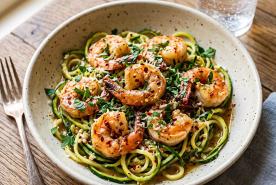
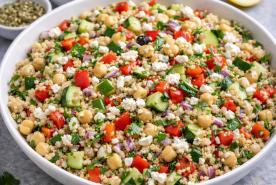
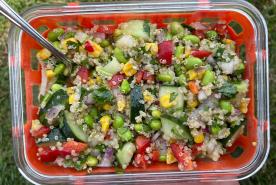
A plant-based diet for kidney disease does not necessarily mean becoming a vegetarian or vegan. It means eating fewer animal products and more foods that come from plants.
This includes:
- Vegetables
- Fruits
- Whole grains
- Beans and lentils
- Nuts and seeds
Even small shifts, like swapping meat for tofu a few times a week, can make a difference over time.
How Plant-Based Eating May Support Kidney Health
For people with kidney disease, diet affects how hard the kidneys need to work.
“Plant proteins tend to be easier on the kidneys compared to animal proteins,” Dr. Joshi said. “They produce less acid, which can lower levels of waste in the blood for the kidneys to filter.”
Animal proteins like meat, poultry, and dairy produce more waste when broken down. This can increase the workload on the kidneys, especially when kidney function is already reduced.
But protein needs aren’t one-size-fits-all.
“The right amount of protein depends on your stage of kidney disease and overall health,” Dr. Joshi said. “Some people may need to limit protein. Others, like people on dialysis, may need more.”
Your healthcare team or a kidney dietitian will use your lab results to help you decide how much protein is right for you.
Join the NKF Blog Newsletter
Get Support, Delivered Monthly
Get monthly inspirational stories, practical insights, and expert advice to manage your kidney health at any stage.
What About Phosphorus and Potassium?
One common concern about plant-based eating with kidney disease is phosphorus and potassium levels. But having more of these nutrients in plant foods doesn’t automatically mean they need to be avoided.
Phosphorus
Phosphorus is found in most foods, but the source matters.
Animal-based and processed foods contain phosphorus that is easily absorbed by the body. When too much builds up in the blood, it can weaken bones and damage blood vessels.
“Plant foods, like beans, lentils, and whole grains, do contain phosphorus,” Dr. Joshi said. “But the body doesn’t absorb as much phosphorus from those sources.”
Want to better understand phosphorus in your diet? Explore a list of foods and their phosphorus levels.
Potassium
Potassium is an important mineral that helps your muscles, nerves, and heart work properly.
When kidney function is reduced, the body may not be able to keep potassium levels in balance, leading to serious health consequences or even death.
While many plant foods are naturally high in potassium, that doesn’t mean you have to avoid all of them.
“You don’t have to cut plant foods out. The type and amount of plant-based foods may change depending on your lab values and stage of kidney disease,” Dr. Joshi said. “Medications also exist to help you maintain healthy levels of potassium.”
Whole-Body Benefits of Plant Foods
Plant foods are also high in:
- Fiber: Supports healthy digestion, stabilizes blood sugar, and lowers cholesterol
- Antioxidants: Protect the body from damage caused by inflammation
- Phytonutrients: Natural plant compounds that help protect the body from diseases
“A healthy, well-balanced plant-based diet can improve blood sugar and lower blood pressure,” Dr. Joshi said. “All of this protects the kidneys from further damage.”
Learn how two patients maintained kidney function with a plant-based diet.

Learn More About Kidney Nutrition
Take the next step in understanding kidney-friendly nutrition.
Explore NKF’s Nutrition Hub for evidence-based resources, meal guidance, and expert tips.